Paris › Musée d'Orsay › Édouard Manet
Édouard Manet at Musée d'Orsay
1832 – 1883
Édouard Manet, born on January 23, 1832, in Paris, emerged as a pivotal figure in 19th-century art, bridging Realism and Impressionism. From an affluent family, he initially faced pressure to pursue a naval career but instead dedicated himself to painting, influenced by his uncle and the Old Masters. His early works, including "The Luncheon on the Grass" and "Olympia," sparked controversy and challenged traditional artistic norms, marking him as a revolutionary force.
Manet's style, characterized by loose brushwork and a focus on contemporary life, diverged from the meticulous techniques of his predecessors. He often depicted modern Parisian scenes, capturing the essence of leisure and social dynamics. Despite initial rejection from the art establishment, he gained recognition among progressive artists and became a mentor to the Impressionists.
Throughout his life, Manet formed connections with influential figures like Baudelaire and Zola, who defended him against critics. His later works, such as "A Bar at the Folies-Bergère," showcased his evolving style and mastery of color. Manet's contributions to art history are profound; he is celebrated not only for his innovative techniques but also for elevating still life and modern subjects to the forefront of artistic expression. He passed away on April 30, 1883, leaving behind a legacy that continues to inspire artists today.
 Olympia
Édouard Manet
🎧 Listen
 Luncheon on the Grass
Édouard Manet
🎧 Listen
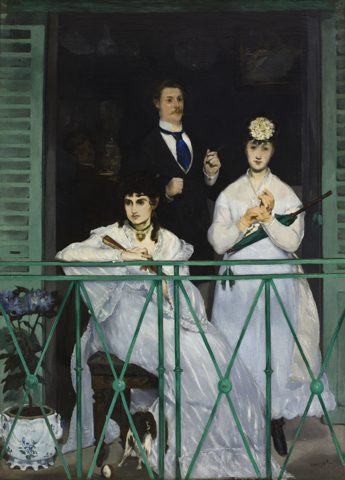 The Balcony
Édouard Manet
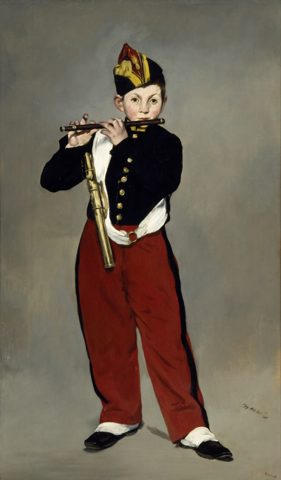 The Fif
Édouard Manet
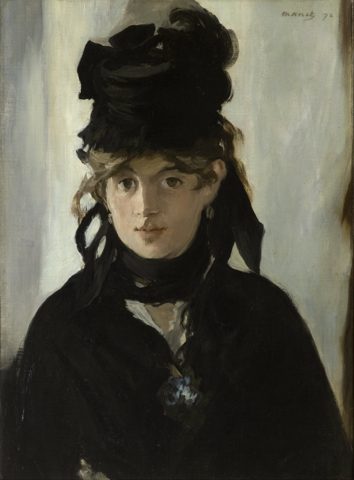 Berthe Morisot with a Bouquet of Violets
Édouard Manet
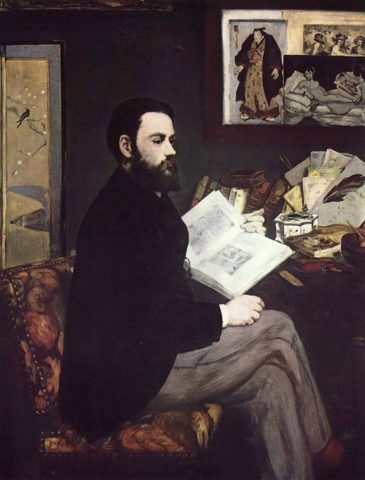 Portrait of Emile Zola
Édouard Manet
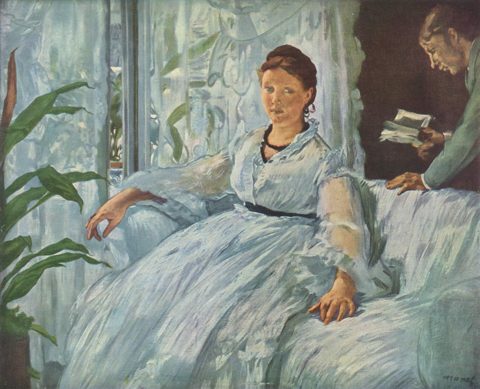 The Reading
Édouard Manet
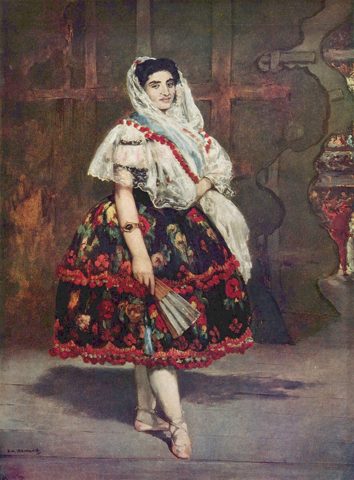 Lola de Valence
Édouard Manet
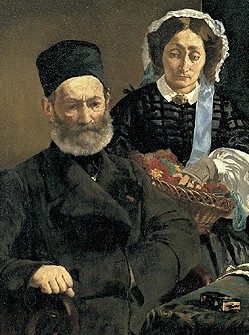 Portrait of Monsieur and Madame Auguste Manet
Édouard Manet
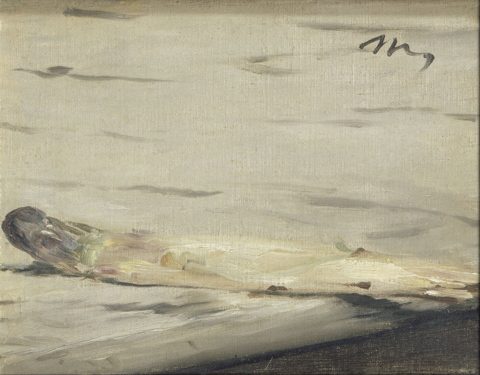 L'Asperge
Édouard Manet
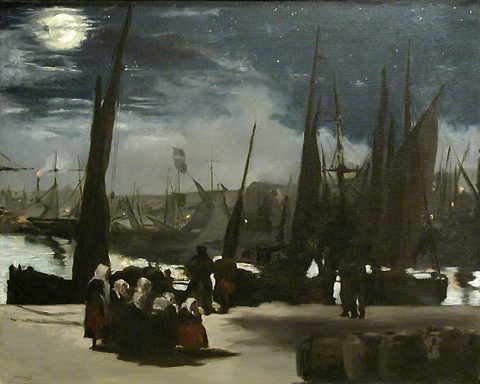 Clair de lune sur le port de Boulogne
Édouard Manet
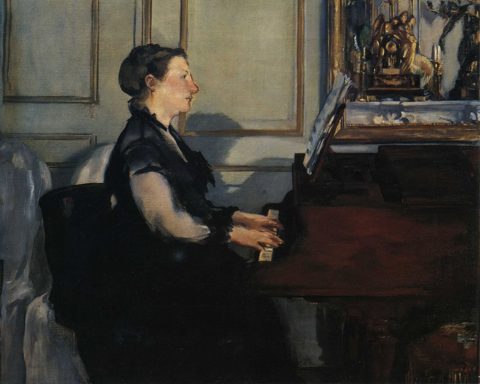 Suzanne Manet Playing the Piano
Édouard Manet
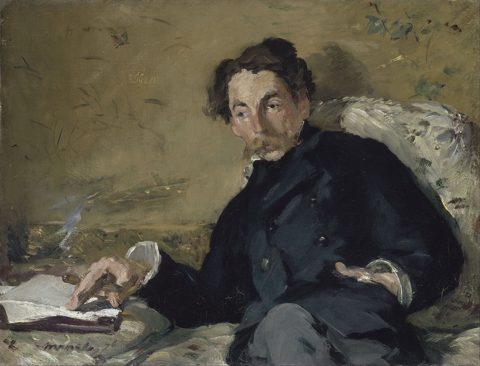 Portrait of Stéphane Mallarmé
Édouard Manet
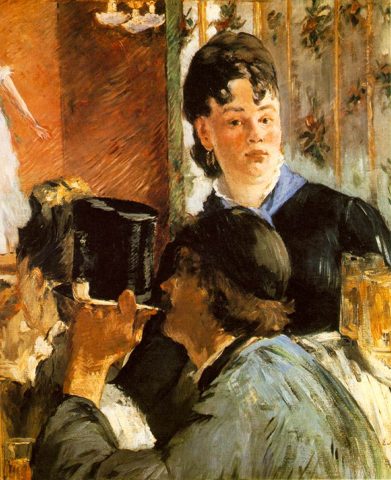 Waitress serving beer
Édouard Manet
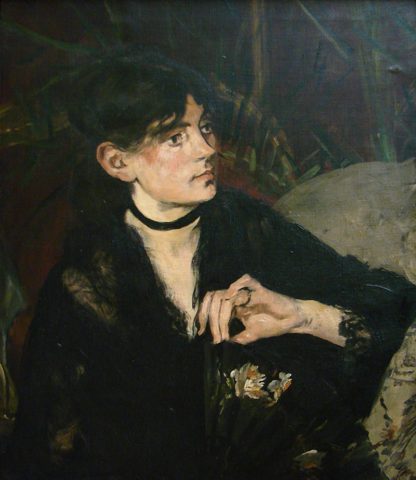 Berthe Morisot with a Fan
Édouard Manet
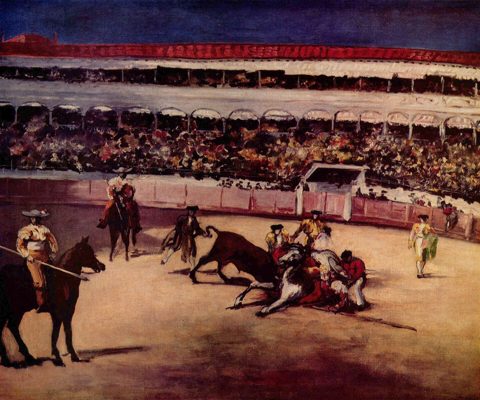 Bullfight
Édouard Manet
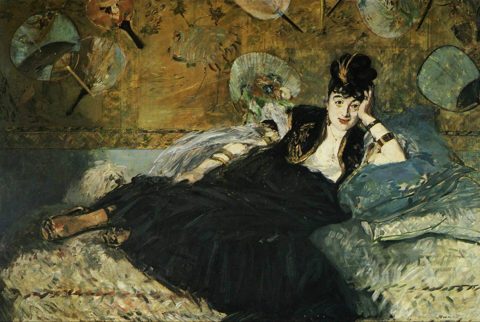 Woman with Fans
Édouard Manet
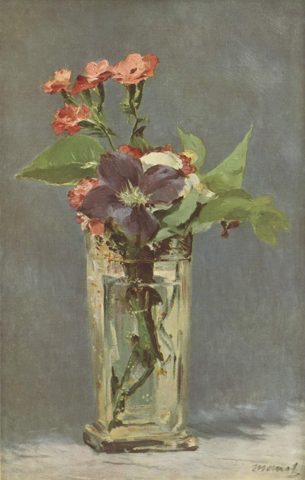 Flowers in a Crystal Vase
Édouard Manet
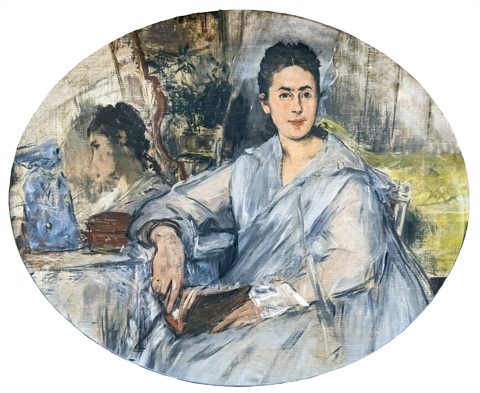 Marguerite de Conflans
Édouard Manet
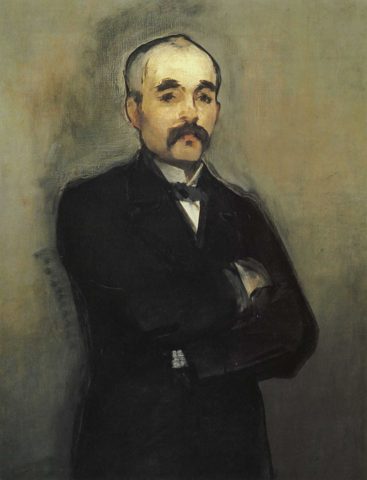 Portrait of Georges Clemenceau
Édouard Manet
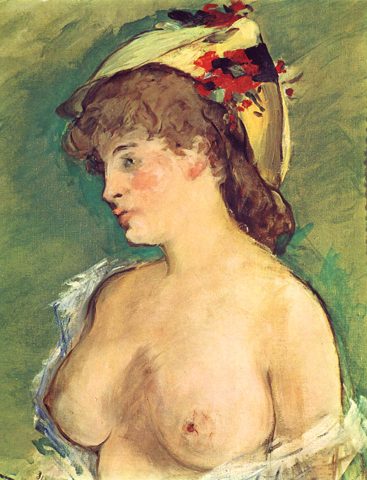 La Blonde aux seins nus
Édouard Manet
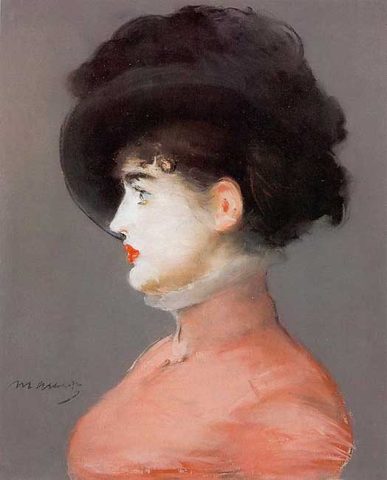 Irma Brunner
Édouard Manet
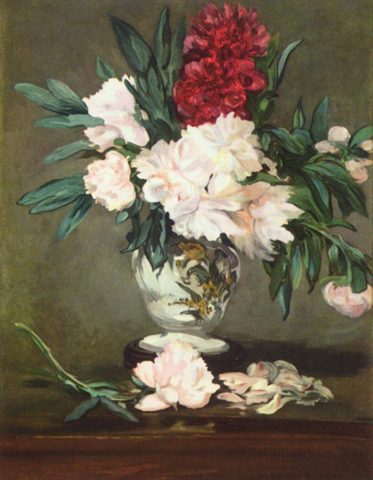 Vase of Peonies on a Pedestal
Édouard Manet
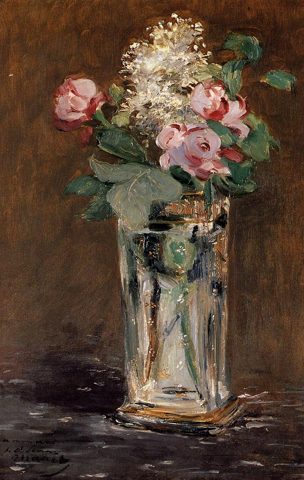 Flowers in a Crystal Vase
Édouard Manet
