Paris › Musée d'Orsay › Vincent van Gogh
Vincent van Gogh at Musée d'Orsay
1853 – 1890
Vincent van Gogh was a Dutch Post-Impressionist painter born on March 30, 1853, in Zundert. He is renowned for his vibrant use of color and expressive brushwork, which laid the groundwork for modern art. Despite creating around 2,100 artworks in just over a decade, including 860 oil paintings, he struggled with mental illness and poverty throughout his life. His early career as an art dealer was marked by disillusionment, leading him to pursue painting in 1881.
Van Gogh's intense passion for art was evident in his correspondence with his brother Theo, who provided emotional and financial support. His works evolved significantly after moving to Paris in 1886, where he mingled with avant-garde artists. His time in Arles in 1888 marked a peak in his creativity, producing iconic series like sunflowers and wheat fields.
Tragically, van Gogh's life ended in suicide at 37, after years of battling his demons. Initially unrecognized, he gained fame posthumously, becoming a symbol of the tortured artist. His legacy influenced movements like Fauvism and Expressionism, securing his place as one of the most significant figures in art history.
 Self-Portrait
Vincent van Gogh
🎧 Listen
 Self-portrait
Vincent van Gogh
🎧 Listen
 The Church at Auvers
Vincent van Gogh
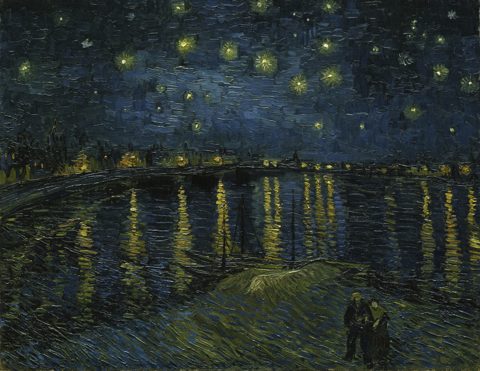 Starry Night Over the Rhone
Vincent van Gogh
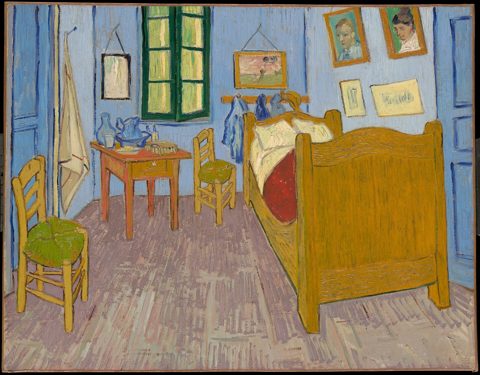 Bedroom in Arles
Vincent van Gogh
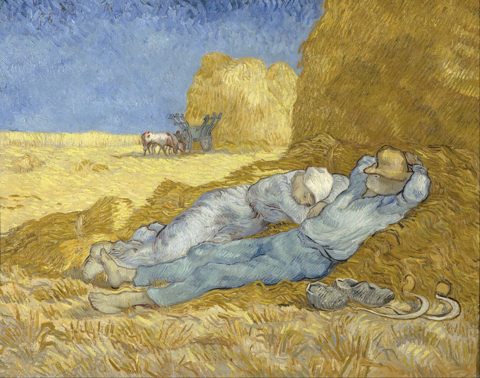 The siesta (after Millet)
Vincent van Gogh
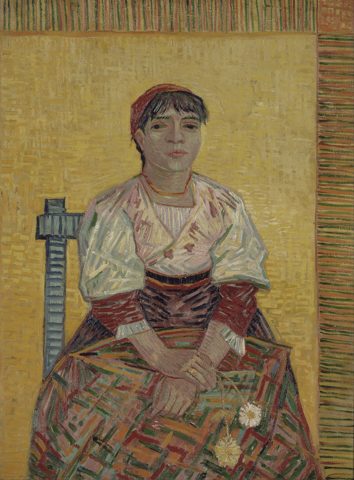 L'Italienne
Vincent van Gogh
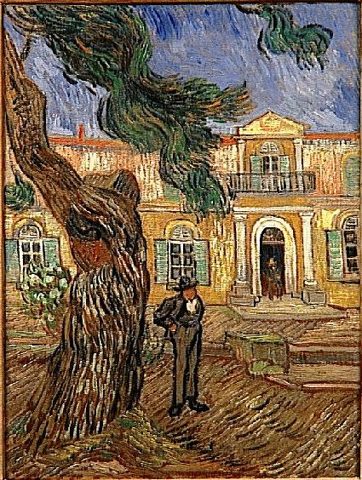 Hôpital Saint-Paul à Saint-Rémy-de-Provence
Vincent van Gogh
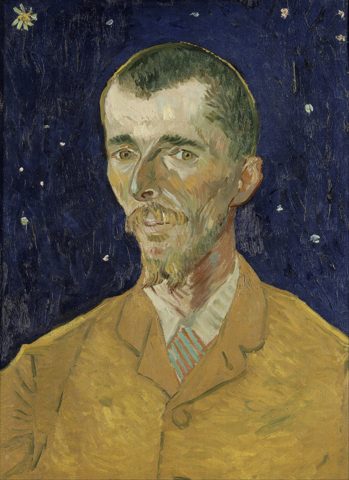 Portrait of Eugène Boch
Vincent van Gogh
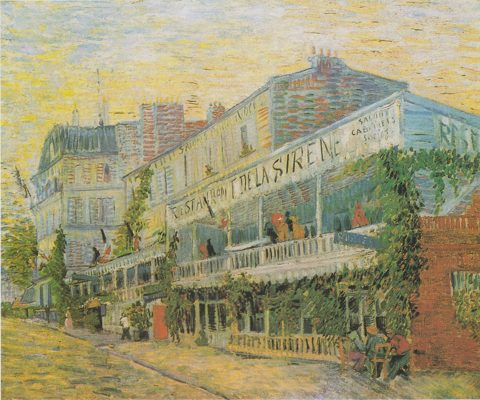 Restaurant de la Sirène à Asnières
Vincent van Gogh
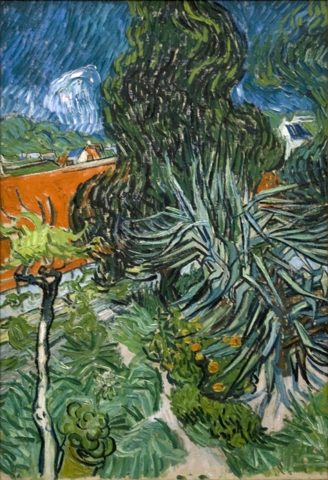 Doctor Gachet's Garden in Auvers
Vincent van Gogh
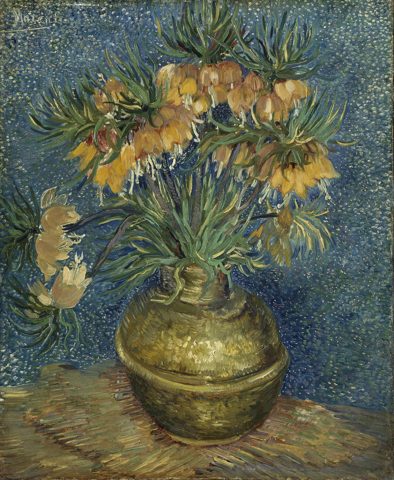 Fritillaries in a Copper Vase
Vincent van Gogh
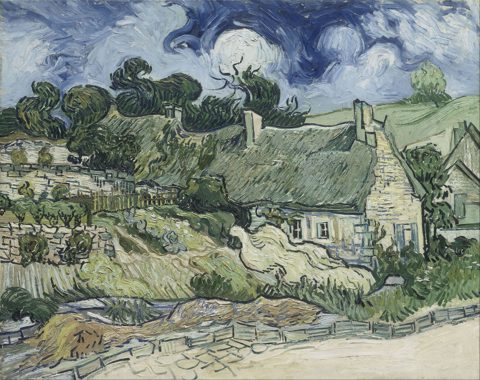 Chaumes de Cordeville
Vincent van Gogh
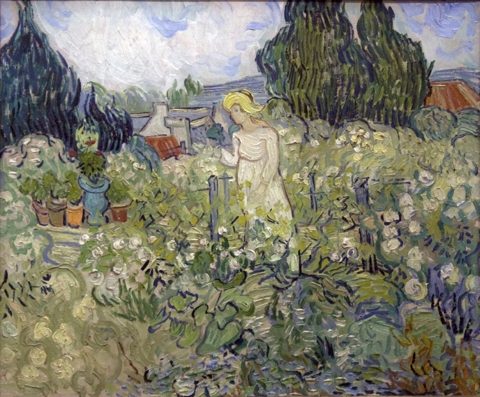 Marguerite Gachet in the Garden
Vincent van Gogh
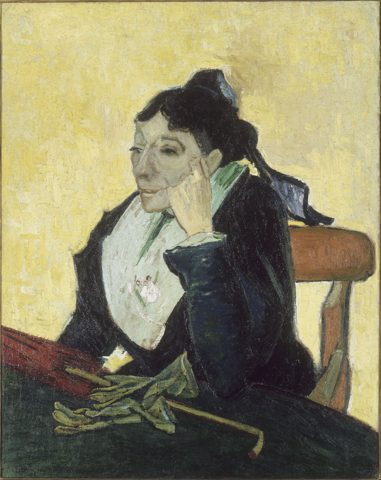 L'Arlésienne
Vincent van Gogh
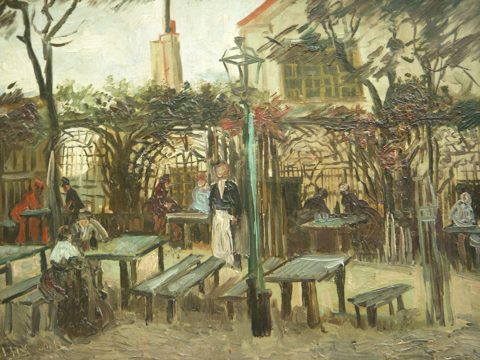 Terrace of a Cafe on Montmartre (La Guinguette)
Vincent van Gogh
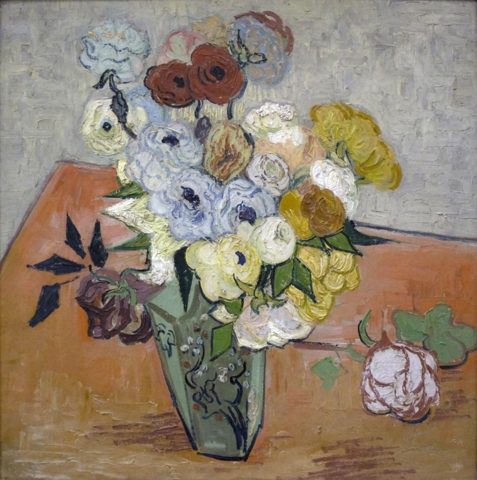 Still Life: Japanese Vase with Roses and Anemones
Vincent van Gogh
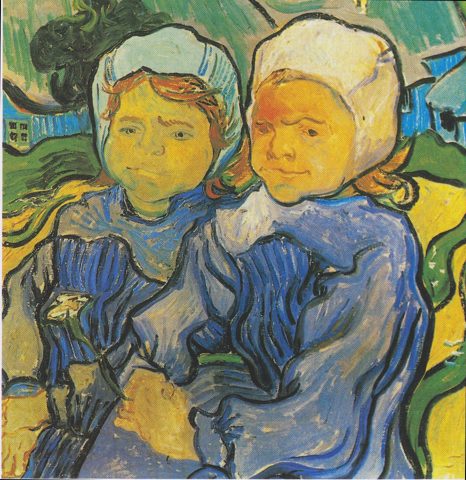 Two Children
Vincent van Gogh
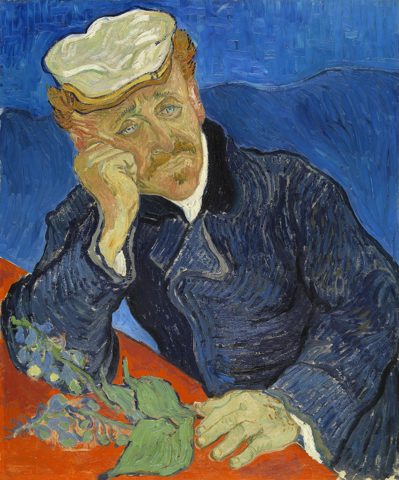 Portrait of Dr. Gachet
Vincent van Gogh
