Paris › Louvre Museum › Jacques-Louis David
Jacques-Louis David at Louvre Museum
1748 – 1825
Jacques-Louis David was a pivotal French painter born on August 30, 1748, in Paris. He emerged as the leading figure of the Neoclassical movement, marking a significant shift in artistic taste from the frivolity of Rococo to a more austere and emotionally charged classical style. His early life was marked by personal tragedy, losing his father at a young age, which shaped his character and determination to pursue art against familial expectations.
David's career flourished during the tumultuous political landscape of France, where he became an ardent supporter of the French Revolution, aligning himself with figures like Robespierre. His political engagement influenced his art, producing iconic works such as "The Death of Marat" and "The Coronation of Napoleon," which reflect both historical narratives and his personal convictions. After the fall of Napoleon, David faced exile but continued to influence generations of artists, establishing a legacy that shaped academic painting in the early 19th century. His works remain celebrated in major museums, particularly the Louvre, solidifying his status as a cornerstone of Western art history. David's life and art were inextricably linked to the evolving identity of France, embodying the spirit of revolution and the quest for artistic integrity.
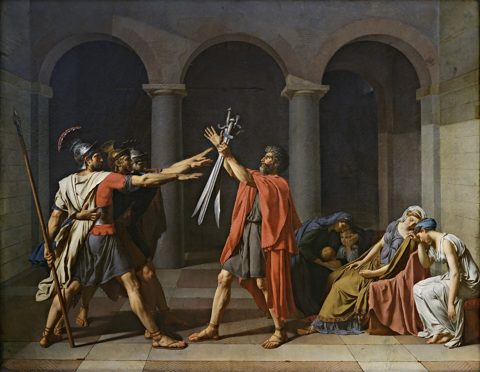 The Oath of the Horatii
Jacques-Louis David
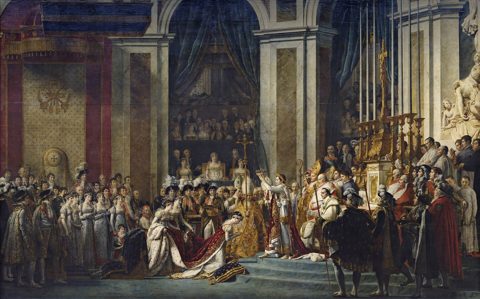 The Coronation of Napoleon
Jacques-Louis David
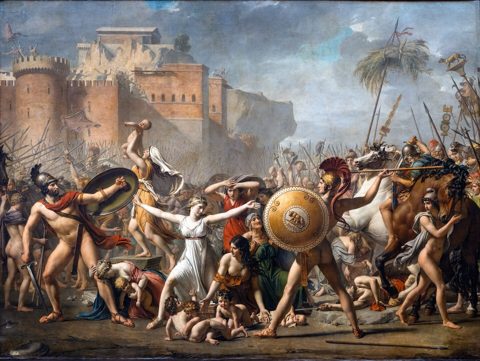 The Intervention of the Sabine Women
Jacques-Louis David
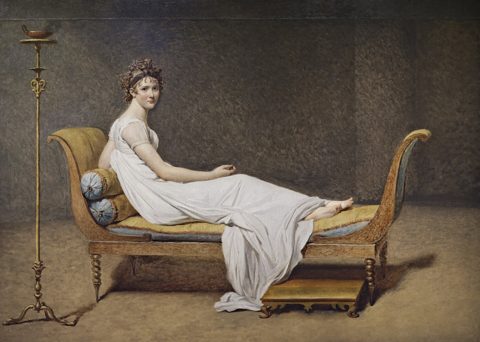 Portrait of Madame Récamier
Jacques-Louis David
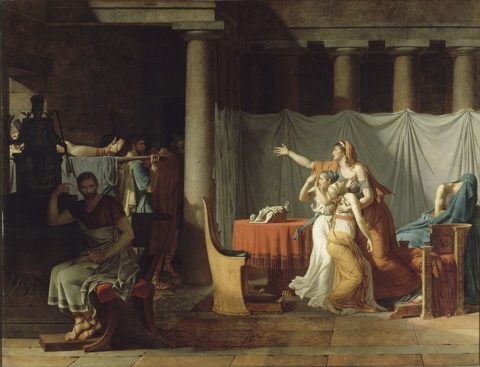 The Lictors Bring to Brutus the Bodies of His Sons
Jacques-Louis David
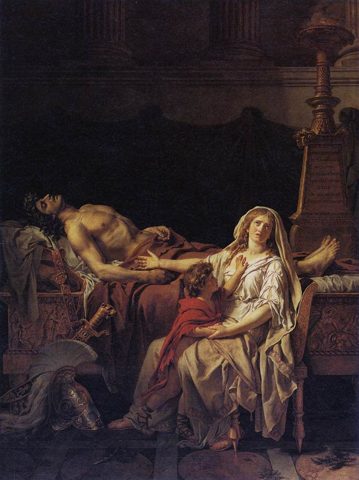 Andromache Mourning Hector
Jacques-Louis David
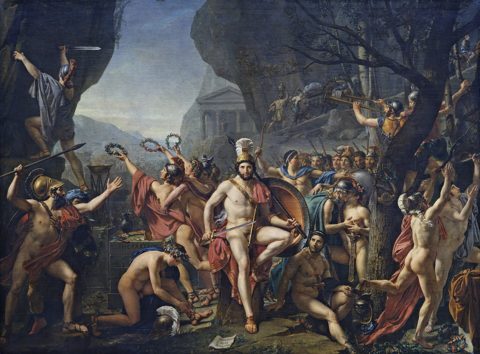 Leonidas at Thermopylae
Jacques-Louis David
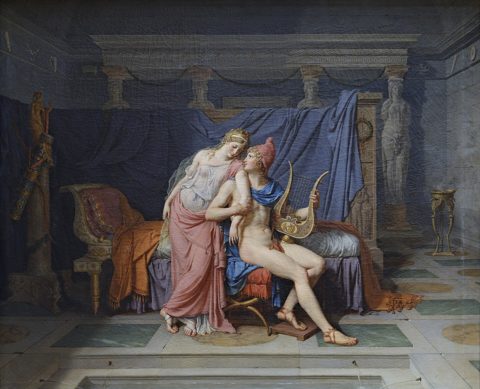 Paris and Helen
Jacques-Louis David
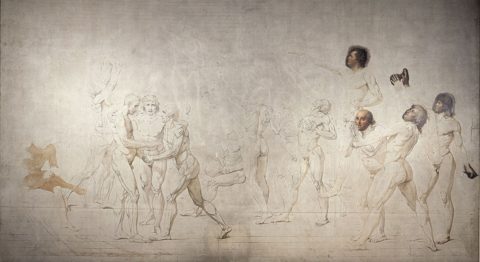 The Tennis Court Oath
Jacques-Louis David
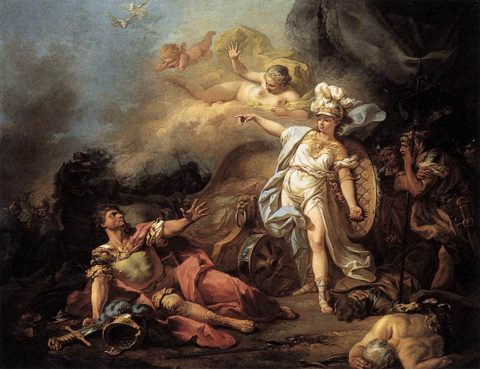 The Fight Between Mars and Minerva
Jacques-Louis David
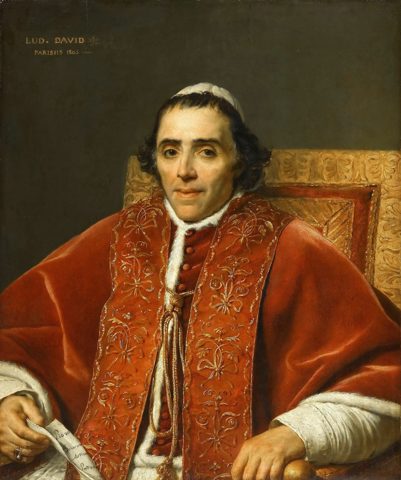 Portrait of Pope Pius VII
Jacques-Louis David
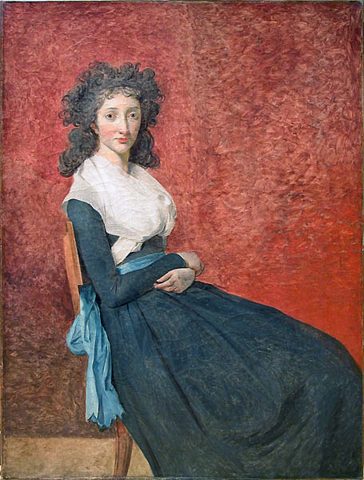 Portrait of Madame Marie-Louise Trudaine
Jacques-Louis David
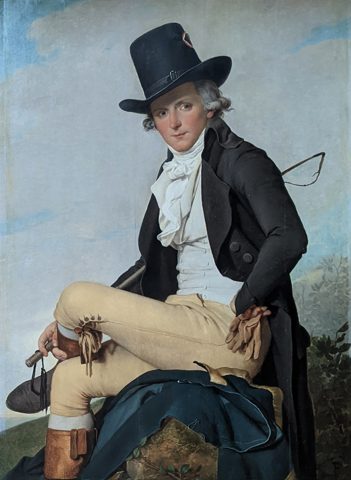 Portrait of Pierre Sériziat
Jacques-Louis David
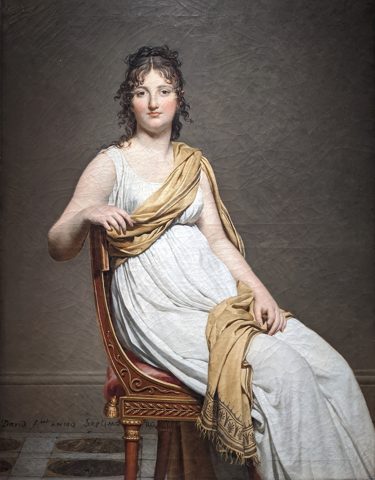 Portrait of Madame de Verninac
Jacques-Louis David
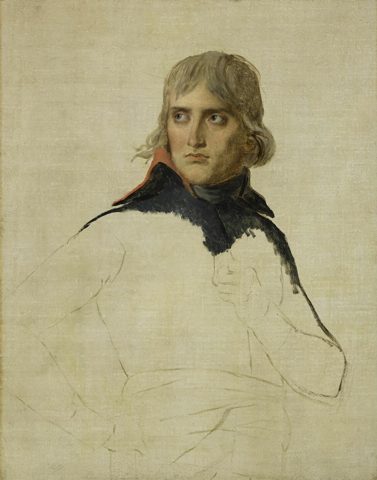 Unfinished Portrait of General Bonaparte
Jacques-Louis David
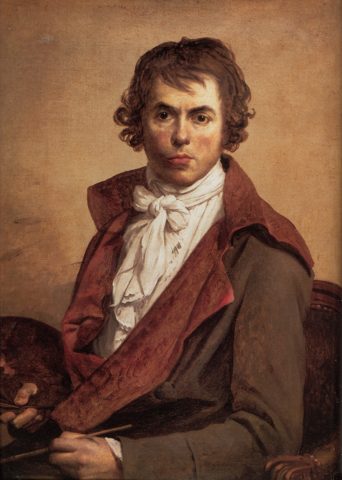 Self-portrait
Jacques-Louis David
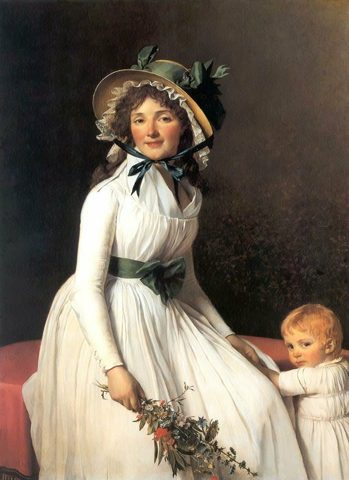 Portrait of Madame Emilie Seriziat and her Son
Jacques-Louis David
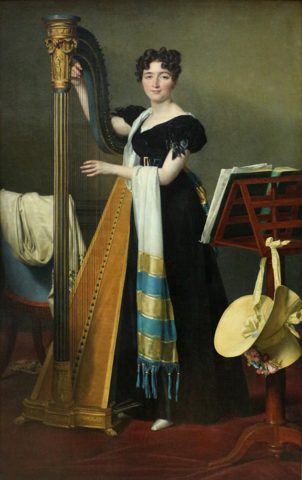 Portrait of Juliette de Villeneuve
Jacques-Louis David
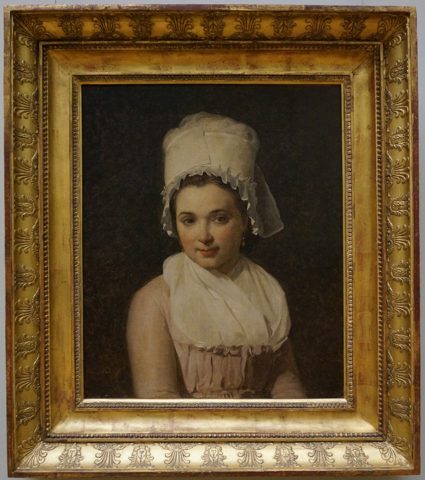 Catherine-Marie-Jeanne Tallard
Jacques-Louis David
