Paris › Rembrandt
Rembrandt at Paris
1606 – 1669
Rembrandt Harmenszoon van Rijn, born on July 15, 1606, in Leiden, was a pivotal figure of the Dutch Golden Age and is celebrated as one of the greatest artists in Western art history. His oeuvre includes around three hundred paintings, three hundred etchings, and numerous drawings, showcasing a remarkable range of styles and subjects, from intimate portraits to grand historical and biblical scenes.
Rembrandt's artistic journey began in Leiden, where he was influenced by both Dutch and Italian masters. He opened his studio in 1625 and quickly gained recognition for his portrait work. His move to Amsterdam marked a significant turning point, as he became a sought-after portraitist and married Saskia van Uylenburgh, a union that brought both joy and tragedy. The couple faced immense personal losses, including the deaths of their children and Saskia's own passing in 1642, which deeply affected his work.
Despite financial struggles later in life, Rembrandt's innovative techniques, particularly in etching, transformed the medium into a respected art form. His mastery of light and shadow, known as chiaroscuro, and his empathetic portrayal of human experience set him apart from his contemporaries. Rembrandt's legacy endures through his profound ability to capture the complexities of the human condition, making him a cornerstone of art history.
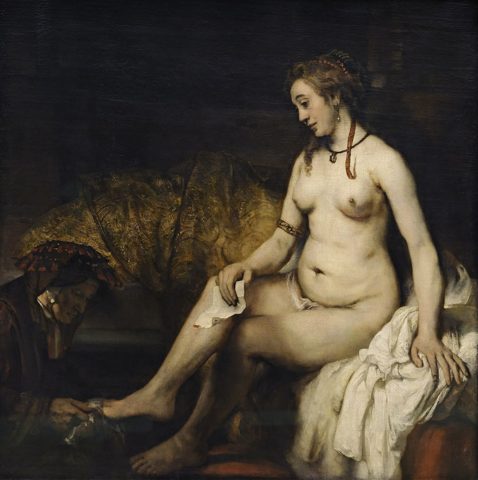 Bathsheba at Her Bath
Rembrandt
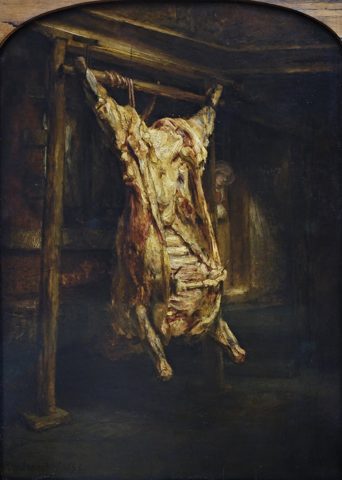 A Slaughtered Ox
Rembrandt
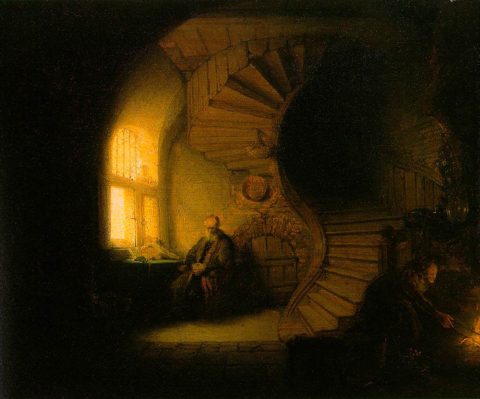 Philosopher in Meditation
Rembrandt
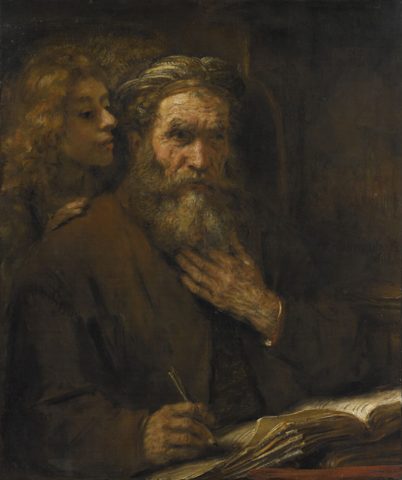 Saint Matthew and the Angel
Rembrandt
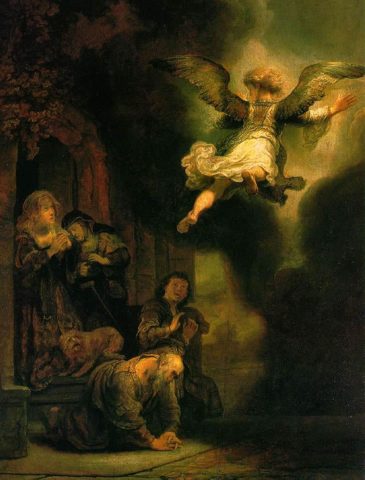 The Archangel Leaves Tobias and his Family
Rembrandt
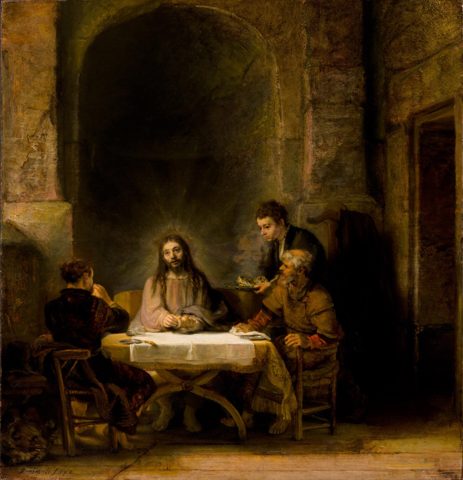 The Pilgrims of Emmaus
Rembrandt
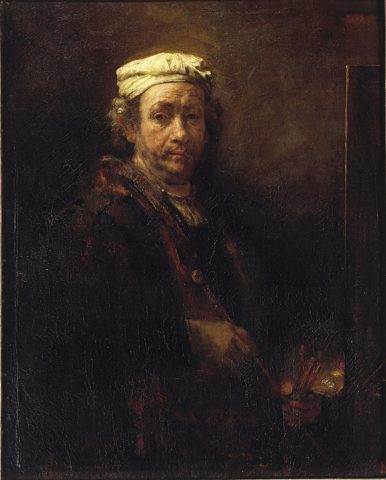 Self-portrait with easel
Rembrandt
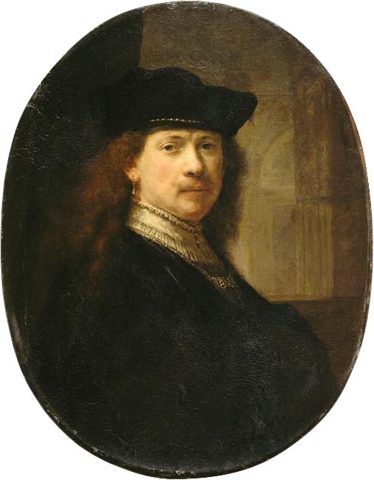 Self-portrait with architectural elements in the background
Rembrandt
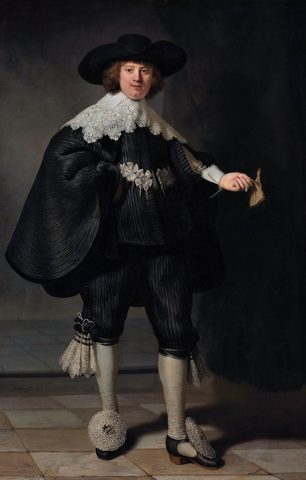 Portrait of Maerten Soolmans
Rembrandt
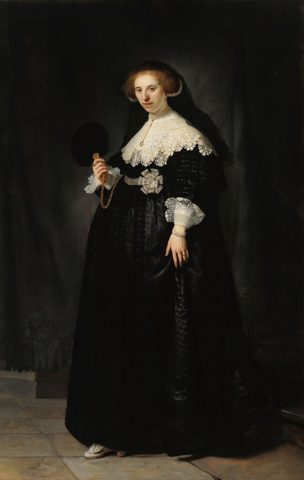 Portrait of Oopjen Coppit
Rembrandt
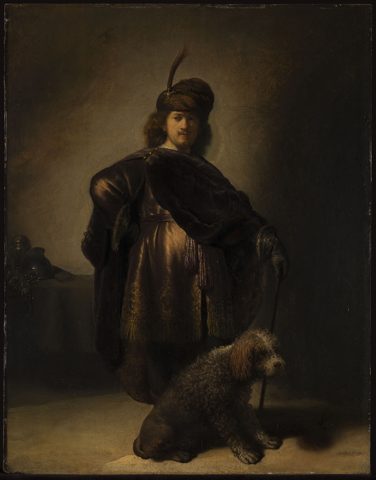 Self-portrait in Oriental Dress
Rembrandt
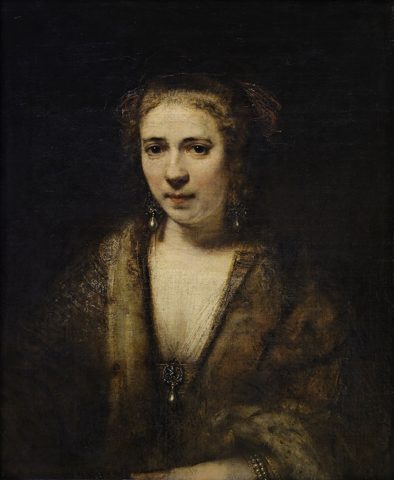 Hendrickje Stoffels
Rembrandt
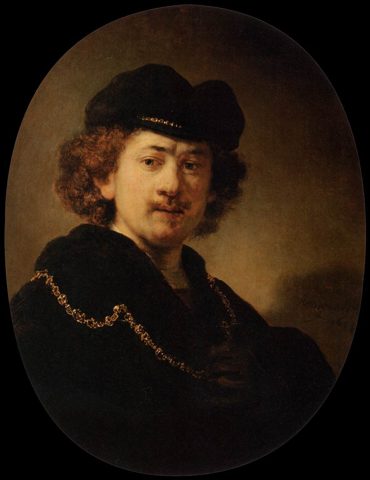 Self-portrait Wearing a Toque and a Gold Chain
Rembrandt
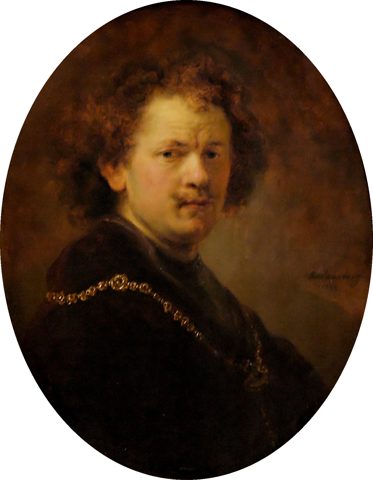 Self-portrait Bare-headed with Gold Chain
Rembrandt
