Paris › Musée de l'Orangerie › Chaïm Soutine
Chaïm Soutine at Musée de l'Orangerie
1893 – 1943
Chaïm Soutine was a Belarusian-Jewish painter who became a significant figure in the Expressionist movement while residing in Paris. Born in 1893 in Smilavichy, he faced a challenging childhood as one of eleven siblings in a poor family. His artistic journey began in Vilnius before he emigrated to Paris in 1913, where he studied at the École des Beaux-Arts. Soutine's time in Montparnasse, particularly at La Ruche, immersed him in a vibrant community of artists, including Modigliani and Chagall.
Despite struggling with poverty and health issues, Soutine developed a unique style that emphasized shape, color, and texture over mere representation. His works, often characterized by vivid, tumultuous colors and distorted forms, bridged traditional painting and the emerging Abstract Expressionism. Although he maintained a distance from artistic movements, his influence grew, particularly after American collector Albert Barnes acquired a significant number of his paintings in the 1920s.
Soutine's life was marked by introversion and a reluctance to share his thoughts, leading to a somewhat enigmatic persona. His art reflects a deep engagement with the medium, often seen as a quest for salvation. Despite his struggles, Soutine's legacy endures, recognized as a precursor to later artistic movements and celebrated for his emotional depth and innovative approach to painting.
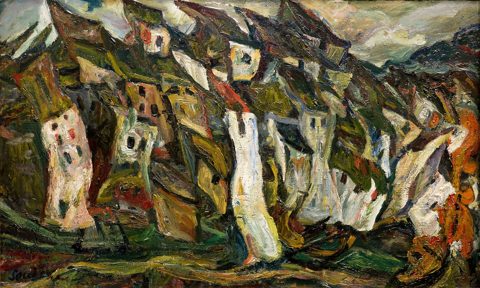 Les maisons
Chaïm Soutine
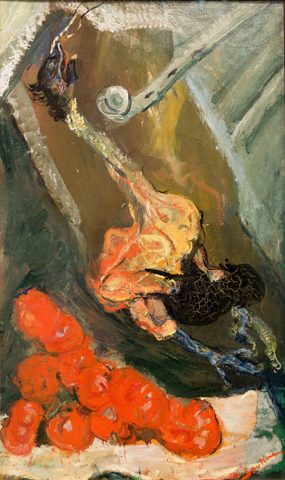 Dindon et tomates
Chaïm Soutine
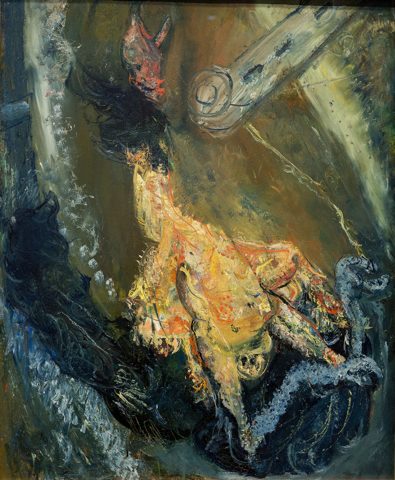 Le dindon
Chaïm Soutine
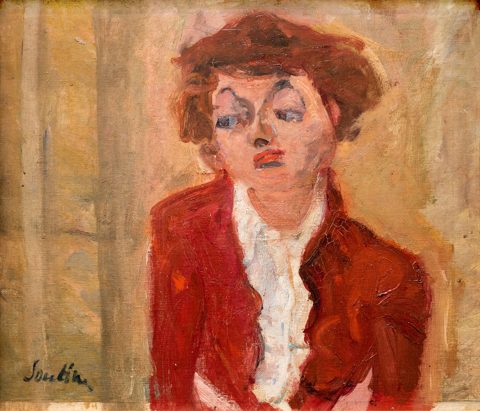 La jeune anglaise
Chaïm Soutine
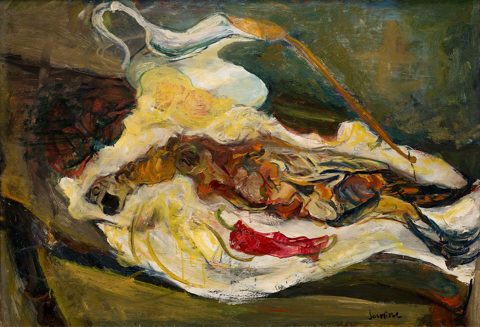 Nature morte au faisan
Chaïm Soutine
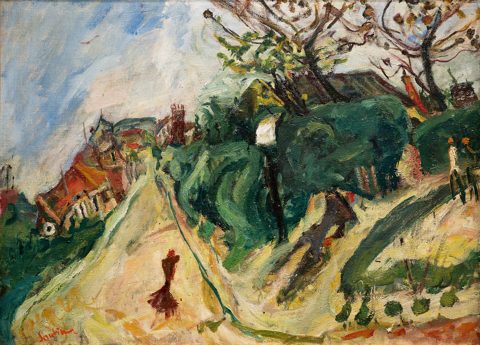 Paysage avec personnage
Chaïm Soutine
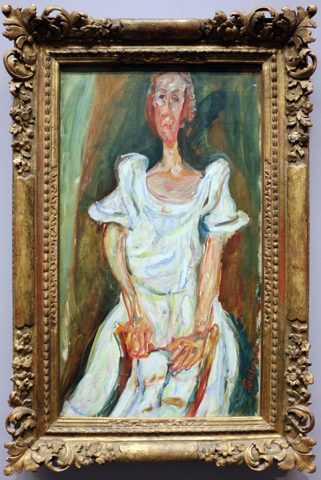 La fiancée
Chaïm Soutine
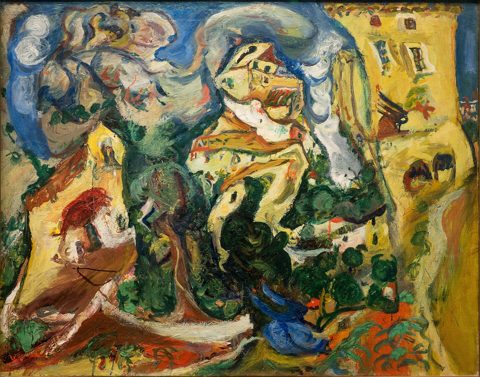 Le village
Chaïm Soutine
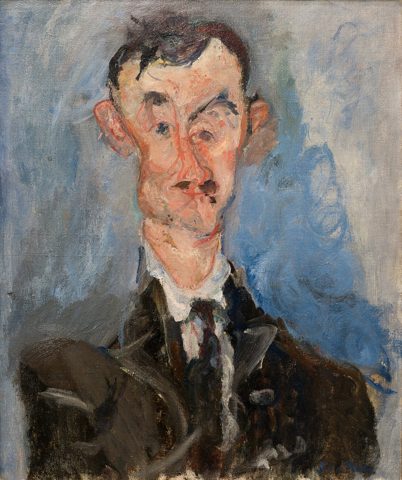 Portrait d'homme
Chaïm Soutine
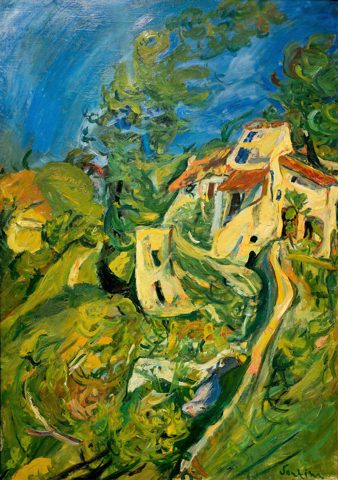 Paysage
Chaïm Soutine
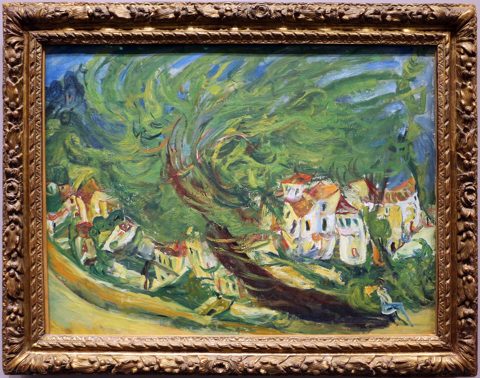 Arbre couché
Chaïm Soutine
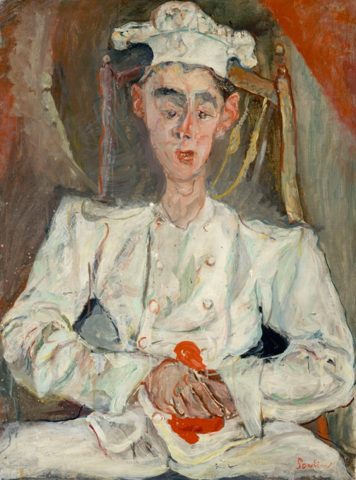 Le petit patissier
Chaïm Soutine
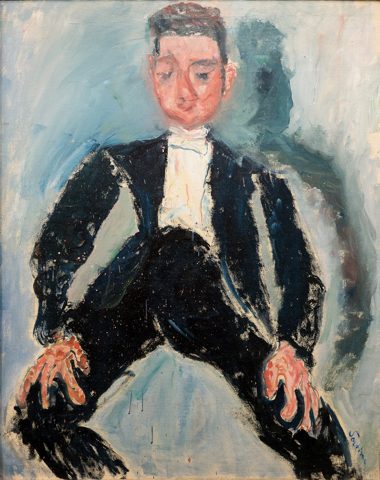 Garçon d'honneur
Chaïm Soutine
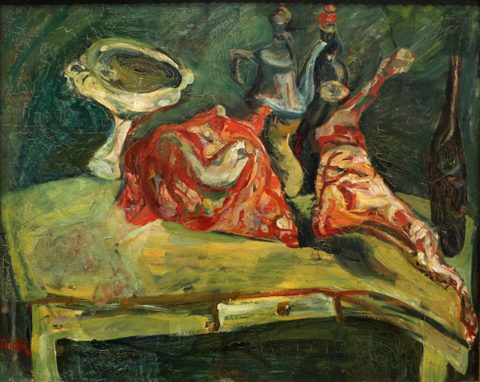 La table
Chaïm Soutine
