Paris › Louvre Museum › Eugène Delacroix
Eugène Delacroix at Louvre Museum
1798 – 1863
Eugène Delacroix, born on April 26, 1798, in Charenton-Saint-Maurice, emerged as a pivotal figure in the French Romantic movement. He diverged from the Neoclassical ideals of his contemporaries, such as Ingres, drawing inspiration from the vibrant colors and dynamic forms of Rubens and the Venetian Renaissance. His works, characterized by dramatic themes and a passion for the exotic, often reflected his travels in North Africa and his fascination with the sublime forces of nature, influenced by literary figures like Lord Byron.
Delacroix's career was marked by both acclaim and controversy; his early painting, "The Barque of Dante," stirred public debate but was ultimately recognized by the state. His later masterpieces, including "Liberty Leading the People," showcased his ability to blend historical and contemporary narratives, solidifying his status as a master of expressive brushwork and color theory. His innovative techniques laid the groundwork for Impressionism and inspired the Symbolist movement.
Despite personal struggles, including early orphanhood and financial hardships, Delacroix's legacy endures. He is celebrated not only for his paintings but also for his lithographs and writings, which reveal his artistic philosophy. As one of the last old masters, his influence resonates through art history, marking him as a cornerstone of Romanticism and a precursor to modern artistic movements. Delacroix passed away on August 13, 1863, leaving a profound impact on the art world.
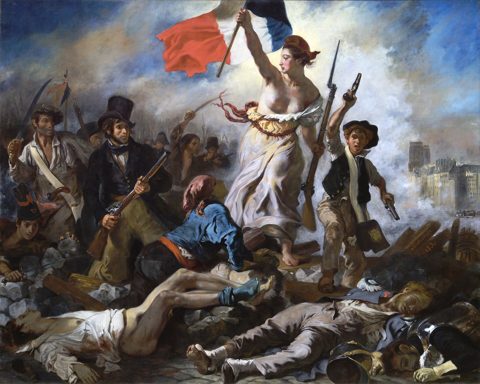 Liberty Leading the People
Eugène Delacroix
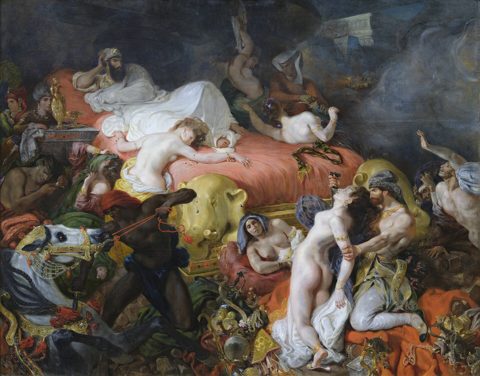 Death of Sardanapalus
Eugène Delacroix
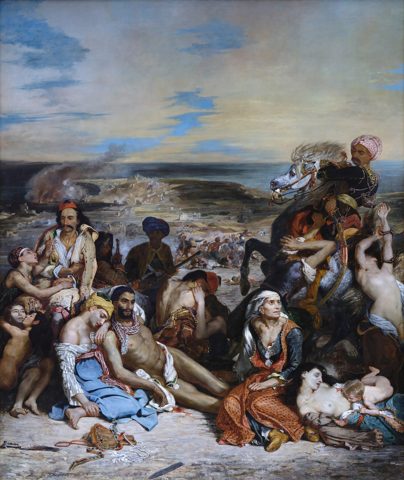 The Massacre at Chios
Eugène Delacroix
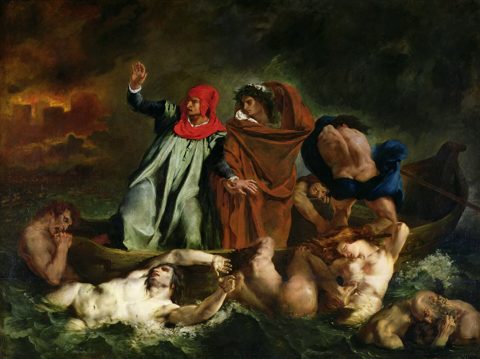 The Barque of Dante
Eugène Delacroix
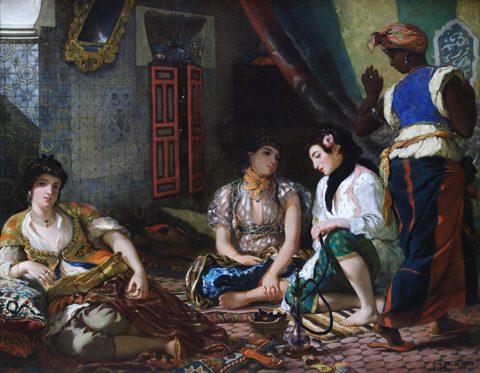 The Women of Algiers
Eugène Delacroix
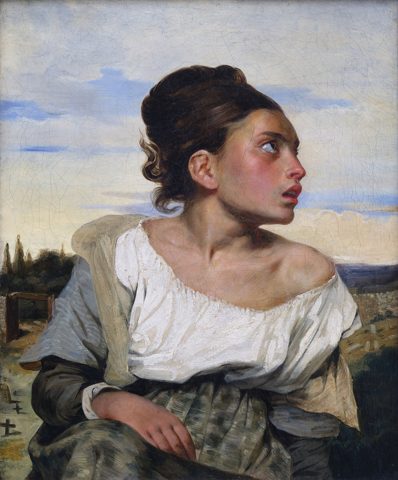 Orphan Girl at the Cemetery
Eugène Delacroix
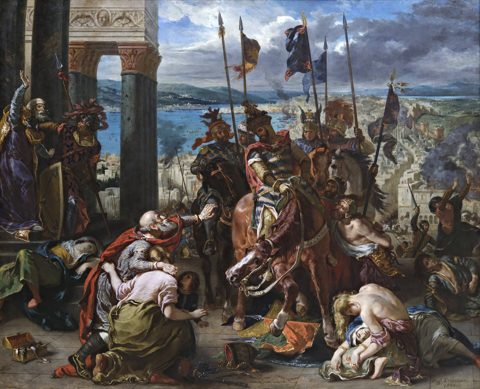 Entry of the Crusaders in Constantinople
Eugène Delacroix
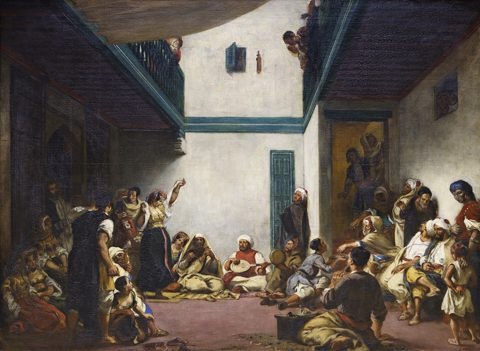 Jewish Wedding in Morocco
Eugène Delacroix
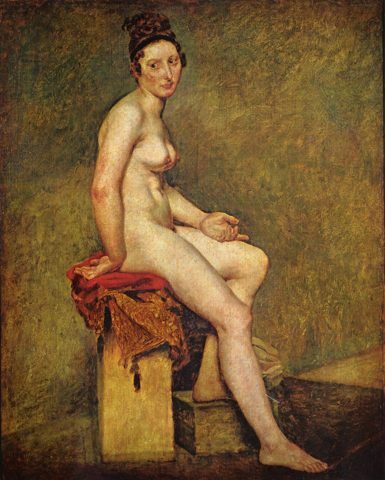 Mademoiselle Rose
Eugène Delacroix
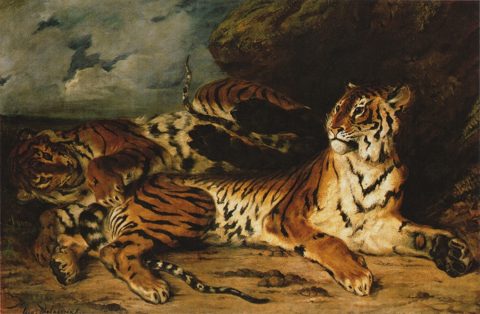 A Young Tiger Playing with its Mother
Eugène Delacroix
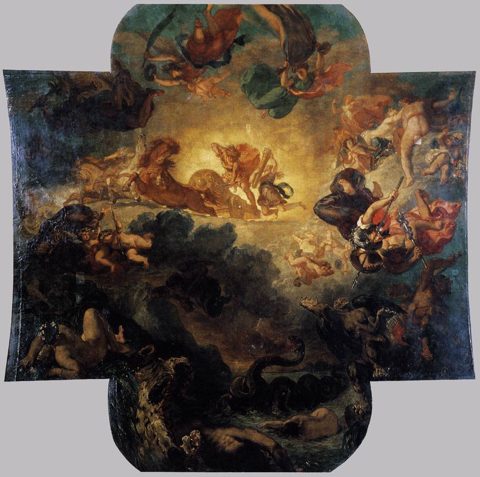 Apollo Vanquishing the Python
Eugène Delacroix
