Paris › Henri de Toulouse-Lautrec
Henri de Toulouse-Lautrec at Paris
1864 – 1901
Henri de Toulouse-Lautrec, born on November 24, 1864, in Albi, France, was a pivotal figure in the Post-Impressionist movement. Despite his aristocratic background, his life was marked by physical challenges, including a genetic disorder that stunted his growth. This condition shaped his unique perspective and deep empathy for the marginalized, particularly the vibrant characters of Paris's Belle Époque, including prostitutes and performers.
Toulouse-Lautrec's artistic journey began in earnest when he moved to Paris, where he immersed himself in the bohemian lifestyle of Montmartre. His work, characterized by bold colors and dynamic compositions, captured the essence of nightlife, cabarets, and the human condition. He became known for his posters and illustrations, which brought the world of the Moulin Rouge to life. His relationships with fellow artists, such as Vincent van Gogh, and his romantic entanglements, notably with Suzanne Valadon, influenced his creative output.
His legacy endures as he is celebrated for his innovative approach to art and his ability to convey the spirit of an era. Toulouse-Lautrec's works continue to resonate, offering a glimpse into the exuberance and struggles of a society on the brink of modernity, solidifying his place in art history as a masterful chronicler of the human experience. He passed away on September 9, 1901, leaving behind a rich body of work that remains influential to this day.
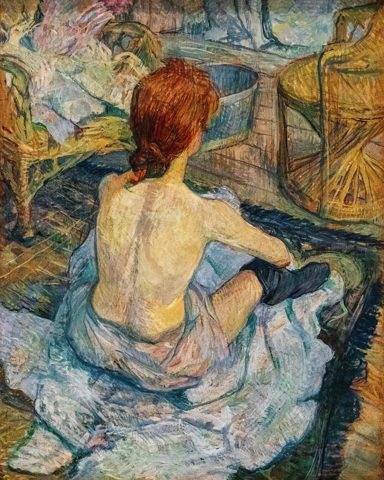 La Toilette
Henri de Toulouse-Lautrec
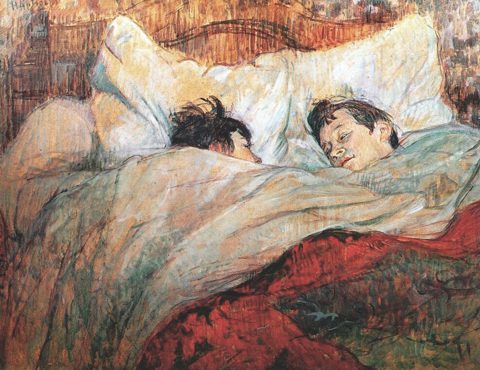 Le Lit
Henri de Toulouse-Lautrec
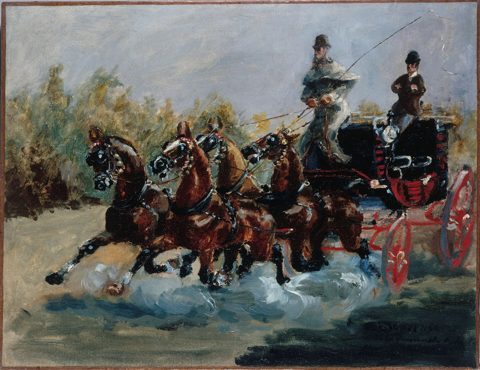 Alphonse de Toulouse-Lautrec-Monfa Driving his Mail-Coach in Nice
Henri de Toulouse-Lautrec
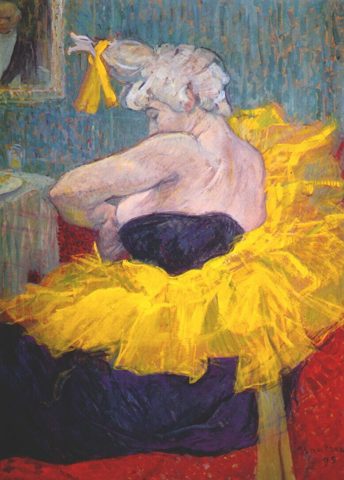 The clownesse cha-u-kao at the Moulin Rouge
Henri de Toulouse-Lautrec
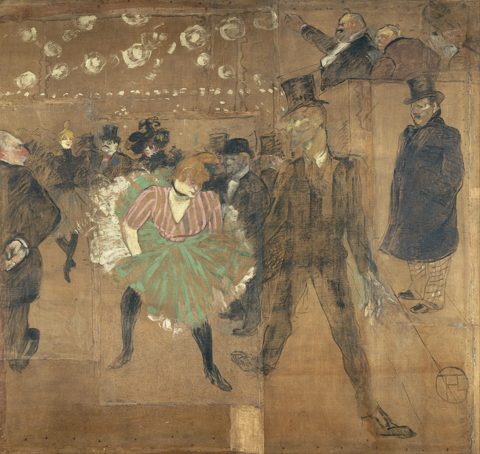 Dance at the Moulin Rouge
Henri de Toulouse-Lautrec
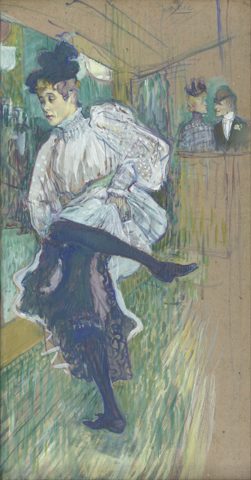 Jeanne avril dansant
Henri de Toulouse-Lautrec
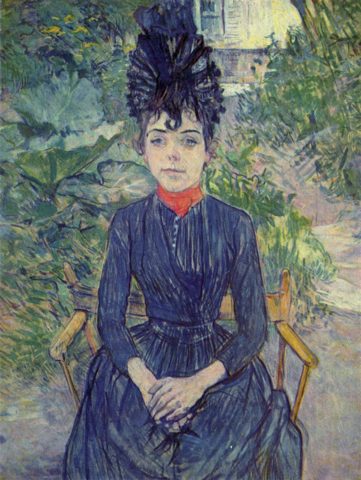 Justine Dieulh
Henri de Toulouse-Lautrec
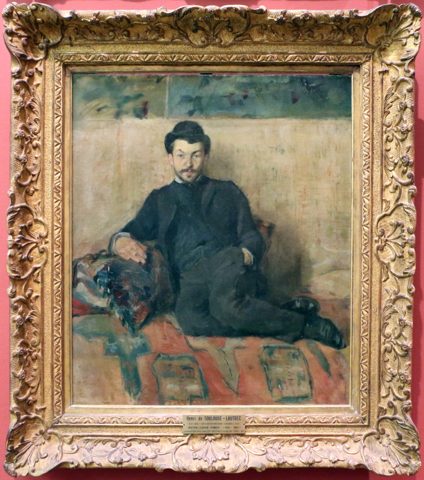 Portrait of Mr. Dennery
Henri de Toulouse-Lautrec
