Paris › Leonardo da Vinci
Leonardo da Vinci at Paris
1452 – 1519
Leonardo da Vinci, born on April 15, 1452, in Vinci, Italy, was a quintessential figure of the High Renaissance, renowned for his multifaceted genius as a painter, scientist, and inventor. Raised by his grandparents after being born out of wedlock, he received artistic training under Andrea del Verrocchio in Florence. His career flourished in Milan under Ludovico Sforza, where he produced iconic works like "The Last Supper" and began his extensive studies in anatomy and engineering.
Leonardo's notebooks reveal a relentless curiosity, encompassing subjects from botany to mechanics, showcasing his innovative spirit. Despite creating fewer than 25 major works, his influence on Western art is profound, with the "Mona Lisa" standing as a cultural icon. His visionary designs for flying machines and other inventions, though largely unfeasible in his time, reflect a forward-thinking approach that laid groundwork for future scientific exploration.
In his later years, he moved to France, where he continued to work until his death in 1519. Leonardo's legacy endures as a symbol of the Renaissance ideal, blending art and science, and inspiring generations with his empirical observations and artistic mastery. His life and work remain a testament to the boundless potential of human creativity.
 Mona Lisa
Leonardo da Vinci
🎧 Listen
 The Virgin and Child with Saint Anne
Leonardo da Vinci
 La Belle Ferronnière
Leonardo da Vinci
🎧 Listen
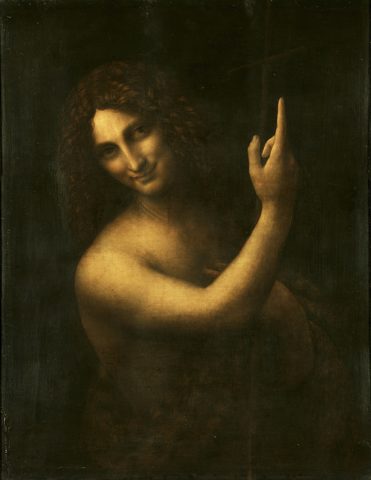 Saint John the Baptist
Leonardo da Vinci
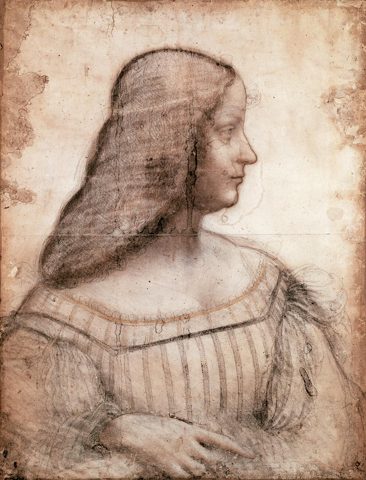 Portrait of Isabella d'Este
Leonardo da Vinci
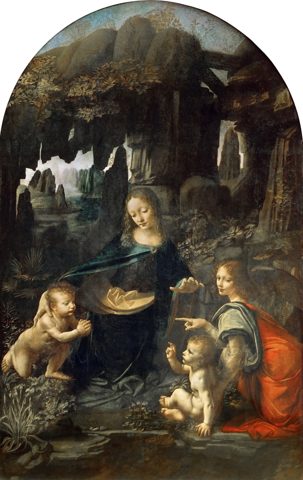 Virgin of the Rocks
Leonardo da Vinci
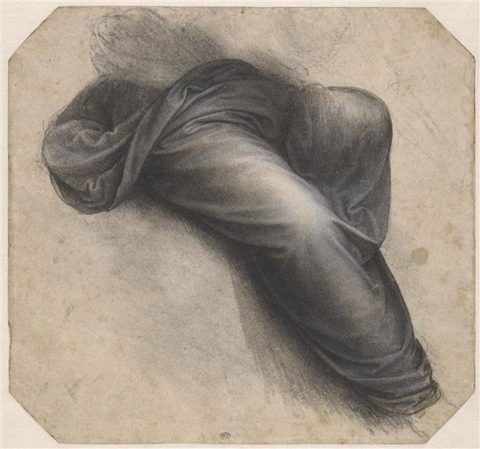 Drapery Study for the Virgin
Leonardo da Vinci
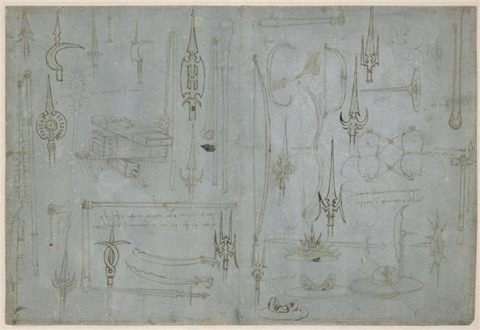 Designs for Various Weapons
Leonardo da Vinci
