Paris › Caravaggio
Caravaggio at Paris
1571 – 1610
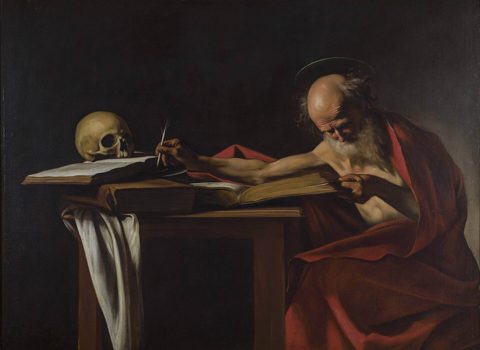
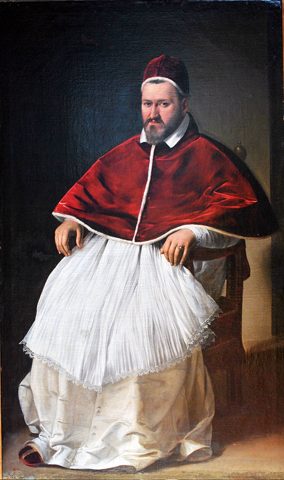
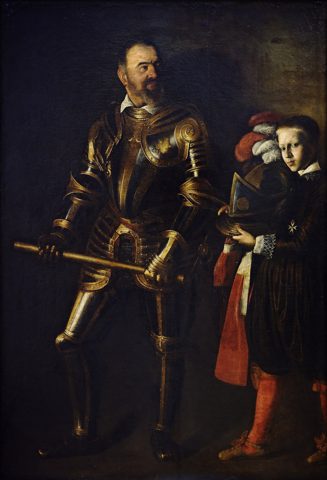
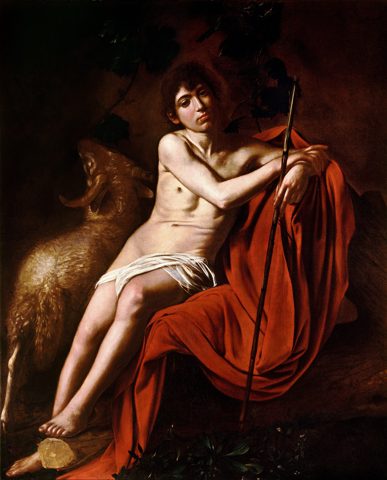
Michelangelo Merisi da Caravaggio, born in Milan in 1571, became one of the most influential figures in Baroque art. His early life was marked by tragedy and hardship, losing family members to the plague and growing up in poverty after his mother’s death. Caravaggio trained as a painter in Milan, where he developed a keen eye for realism, influenced by the naturalism of Lombard art and the dramatic compositions of the Counter-Reformation.
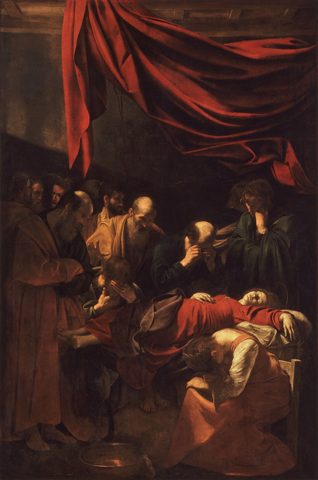
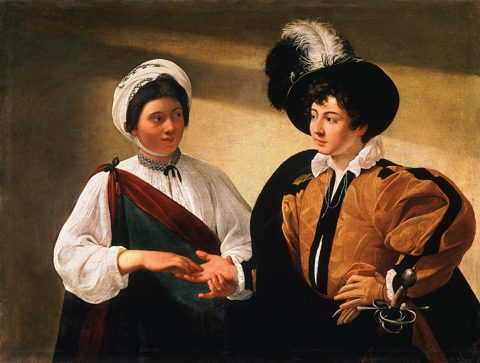
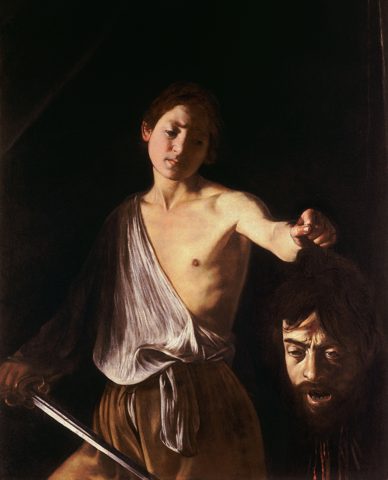
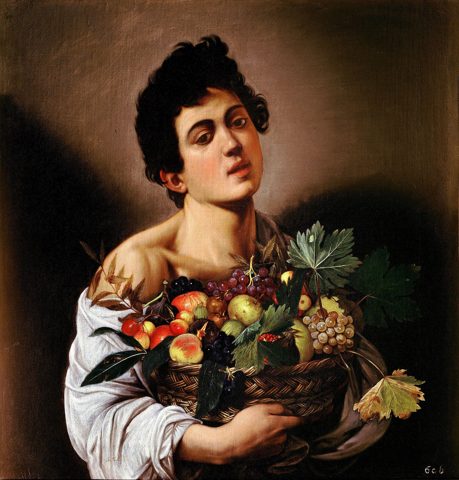
Moving to Rome in the early 1590s, Caravaggio's career flourished as he gained recognition for his innovative use of chiaroscuro, known as tenebrism, which brought a striking emotional depth to his subjects. His paintings often depicted intense moments of struggle and suffering, reflecting both physical and psychological states. However, his tumultuous personal life, marked by violence and legal troubles, led to his exile from Rome after killing a man in a brawl.
Despite his troubled existence, Caravaggio continued to produce powerful works in Naples, Malta, and Sicily until his untimely death in 1610. His legacy, initially overshadowed by his notorious reputation, was rediscovered in the 20th century, cementing his status as a precursor to modern painting. His influence is evident in the works of many artists, and he remains a pivotal figure in the history of Western art.