Paris › Musée d'Orsay › Gustave Caillebotte
Gustave Caillebotte at Musée d'Orsay
1848 – 1894
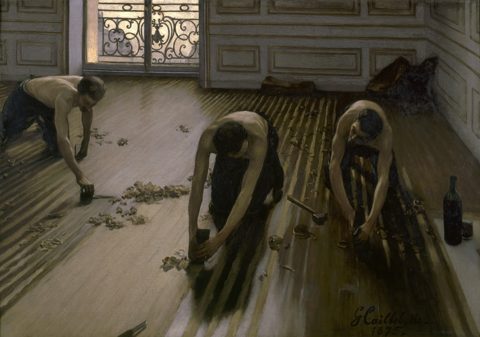
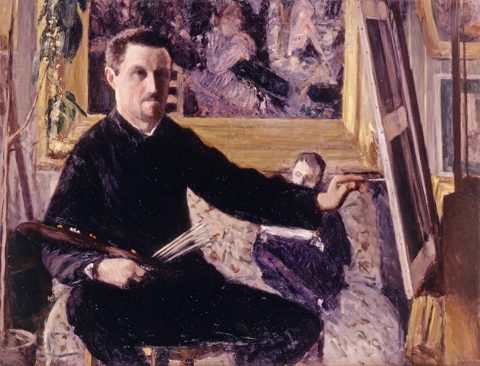
Gustave Caillebotte was a French painter born on August 19, 1848, into an affluent Parisian family. His upbringing afforded him the luxury of pursuing art, which he began seriously after serving in the Franco-Prussian War. Caillebotte's early works reflected a realistic style, often capturing contemporary life with a focus on urban scenes and laborers, as seen in his notable painting "The Floor Scrapers." His artistic journey was intertwined with the Impressionist movement, where he played a dual role as both a creator and a patron, supporting fellow artists like Monet and Degas.
Despite his contributions, Caillebotte's work was often overshadowed by his more famous contemporaries, and he did not receive significant recognition until long after his death on February 21, 1894. His collection of Impressionist works, bequeathed to the French state, became a cornerstone of the movement's legacy. Caillebotte's unique perspective, blending realism with the emerging Impressionist style, positioned him as a pivotal figure in art history, though it took a century for his contributions to be fully acknowledged through retrospectives and exhibitions. His legacy continues to resonate, illustrating the complexities of artistic recognition and the evolution of modern art.