Paris › Louvre Museum › Jean-Antoine Watteau
Jean-Antoine Watteau at Louvre Museum
1684 – 1721
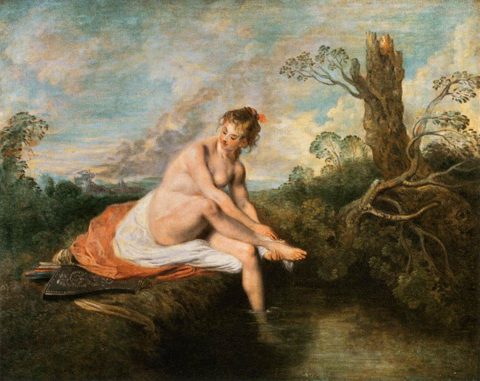
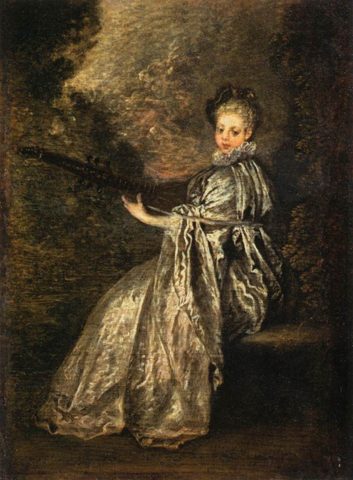
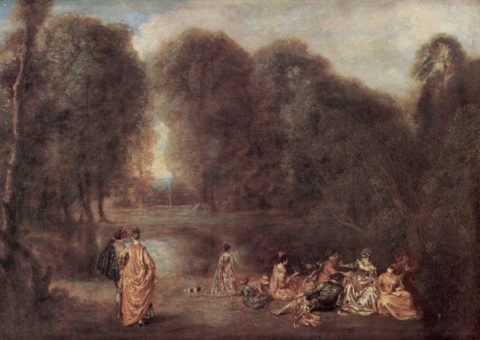
Jean-Antoine Watteau, born in Valenciennes in 1684, was a pivotal French painter whose brief but impactful career transformed the Baroque style into the more playful Rococo. He is renowned for pioneering the genre of fêtes galantes, which depicted charming, idyllic scenes infused with theatricality, often inspired by the commedia dell'arte. Watteau's early life was marked by a tumultuous family environment, which likely influenced his introspective nature and artistic sensibilities.
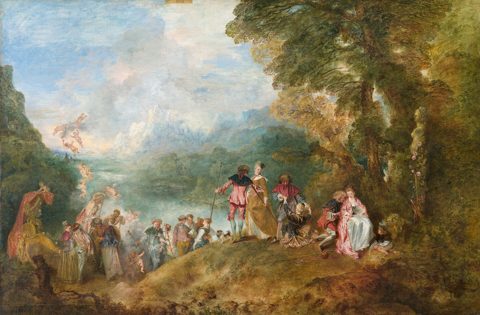
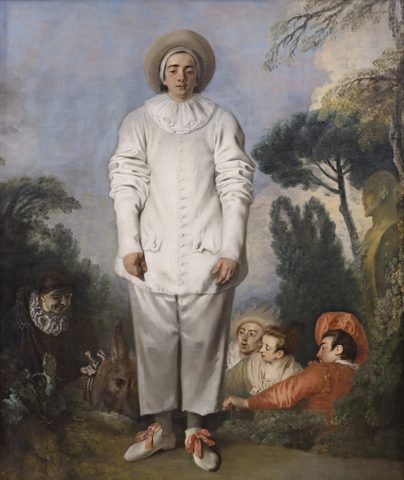
After moving to Paris in 1702, he honed his skills under various influences, notably Claude Gillot and Claude Audran III, before establishing his unique style characterized by vibrant colors and fluid movement. His masterpieces, including "Pilgrimage to Cythera" and "Pierrot," reflect his fascination with love and leisure, capturing the essence of 18th-century French society.
Despite his struggles for recognition, Watteau achieved success during his lifetime, becoming a full member of the Académie Royale in 1717. His legacy endures through his extensive body of work, which continues to inspire artists and collectors alike, solidifying his place in art history as a master of color and emotion. Watteau passed away in 1721, leaving behind a rich artistic heritage that would influence generations to come.