William Sisley
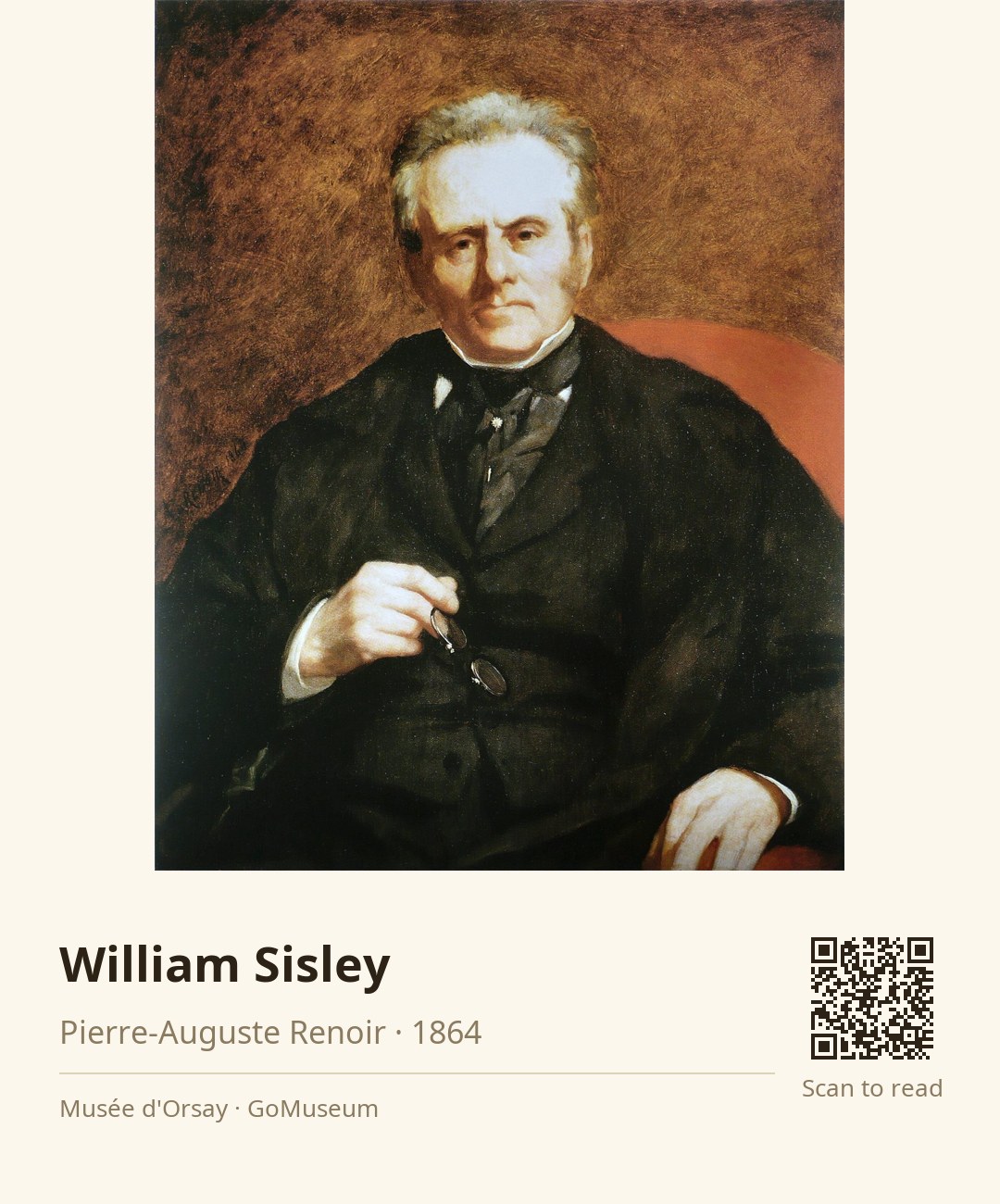
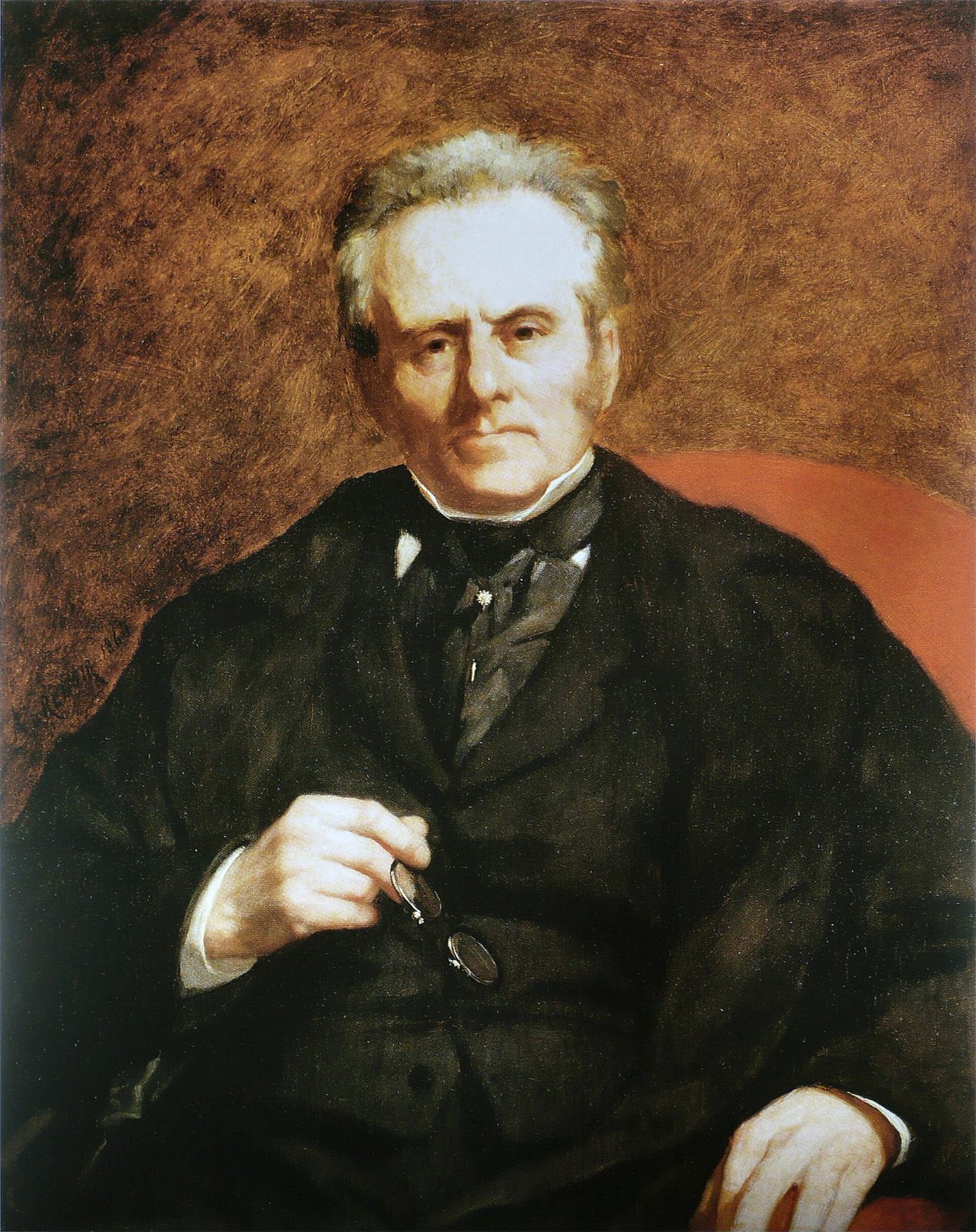
🎧 This work has audio narration — listen in the appTake a moment to really look at this painting, "William Sisley," by Pierre-Auguste Renoir. Notice the way Renoir captures the light on the subject’s face, almost as if he’s inviting you into a conversation. The soft brushstrokes create a gentle warmth, don’t they?
This isn’t just a portrait; it’s a glimpse into the life of William Sisley, the father of Renoir’s friend, Alfred. Renoir painted this in 1864, during a time when he was still finding his voice as an artist. The way he portrays Sisley’s expression hints at a deeper story—perhaps the weight of family responsibilities or the quiet strength of a businessman navigating the complexities of life in 19th-century France.
Renoir was influenced by the Realism movement, and you can see that here. He’s not idealizing his subject; instead, he’s presenting a genuine, relatable figure. This was a time when Renoir was still establishing himself, and this painting was first shown at the Salon of 1865, where it didn’t receive much attention.
As you stand here, think about how this painting connects you to the past. What stories do you think William Sisley could tell if he were standing beside you?
Pierre-Auguste Renoir, born on February 25, 1841, in Limoges, France, emerged as a pivotal figure in the Impressionist movement. His early life in a modest family led him to Paris, where he honed his artistic skills amidst the masterpieces of the Louvre. Initially apprenticed in a porcelain factory, Renoir's passion for painting flourished, particularly after studying under Charles Gleyre, where he befriended fellow artists like Monet and Sisley.
Renoir's work celebrated feminine beauty and vibrant social scenes, exemplified in iconic pieces like "Dance at Le Moulin de la Galette." Despite facing criticism early on, he gained recognition, especially after participating in the first Impressionist exhibition in 1874. His style evolved over the years, transitioning towards realism influenced by classical masters like Raphael.
Throughout his life, Renoir balanced personal struggles, including health issues, with a prolific output, reportedly creating around four thousand works. He became a beloved figure in art history, known for his warm palette and expressive brushwork. Renoir passed away on December 3, 1919, leaving a legacy that continues to inspire artists and art lovers alike.
The painting 'William Sisley' was created by Pierre-Auguste Renoir in 1864, during a pivotal time in his artistic journey. The work was first exhibited at the Salon of 1865 under the title 'Portrait de M. S.' but, unfortunately, it didn't garner much attention from critics or the public. Renoir was still establishing his reputation, and neither he nor his subject were well-known at the time. The painting has a rich provenance, having passed through several hands, including Aline-France Sisley, Alfred's sister, and notable galleries like Bernheim-Jeune in Paris. It eventually found its home at the Musée d'Orsay, where it continues to be appreciated today.
When you look closely at 'William Sisley,' notice the soft, fluid brushwork that Renoir employs. The strokes are not just gentle; they create a sense of intimacy and warmth, inviting you into the subject's world. The light plays a crucial role here, illuminating Sisley’s face in a way that feels almost conversational. Renoir's choice of color is equally important; the palette is warm and earthy, grounding the figure in a relatable reality. The composition is structured yet relaxed, with Sisley positioned slightly off-center, which adds a dynamic quality to the portrait. This technique reflects Renoir's early experiments with Realism, where he aimed to capture the essence of his subject rather than idealize him. The scale of the painting, relatively large for a portrait, enhances the viewer's connection, making it feel as if Sisley is almost present in the room with you.
When 'William Sisley' was first exhibited at the Salon of 1865, it received little attention from critics or the public, largely because neither Renoir nor his subject were well-known at the time, highlighting the challenges he faced in gaining recognition.