Paris › Musée de l'Orangerie › Henri Matisse
Henri Matisse at Musée de l'Orangerie
1869 – 1954
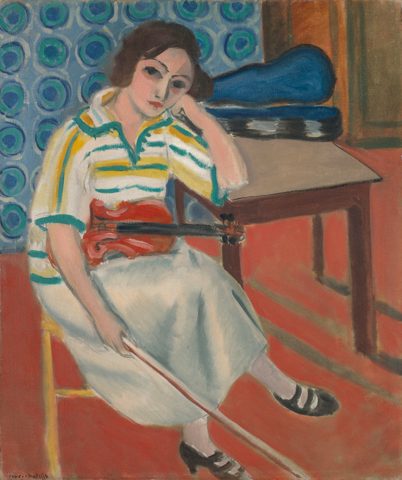
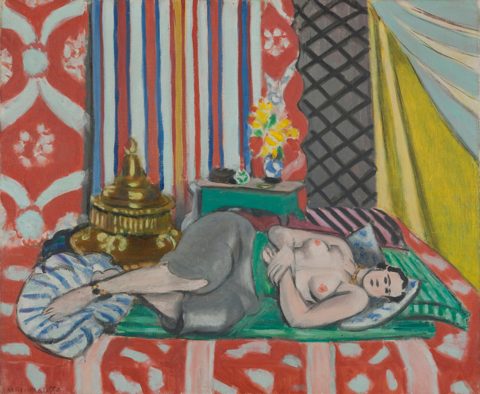
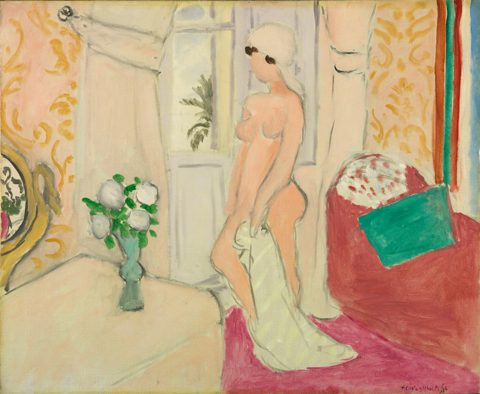
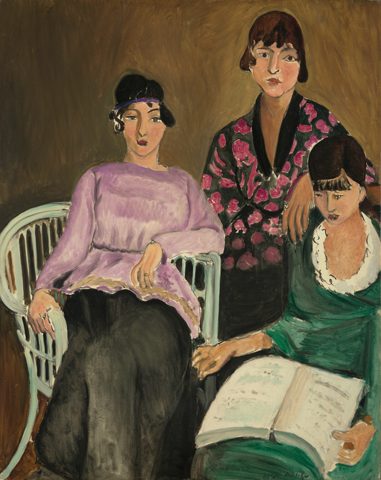
Henri Matisse was a pioneering French artist born on December 31, 1869, in Le Cateau-Cambrésis. Initially studying law, he turned to art during a period of convalescence, discovering a passion that would lead him to become one of the most influential figures in modern art. Matisse's vibrant use of color and innovative forms defined the Fauvist movement, earning him recognition alongside contemporaries like Pablo Picasso.
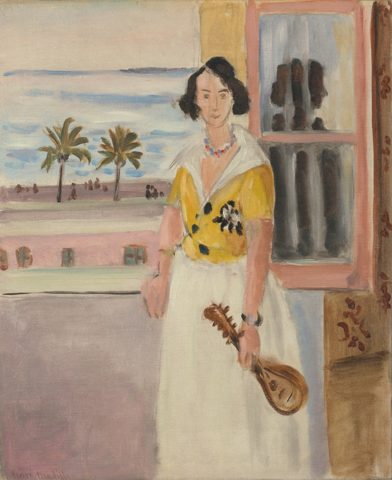
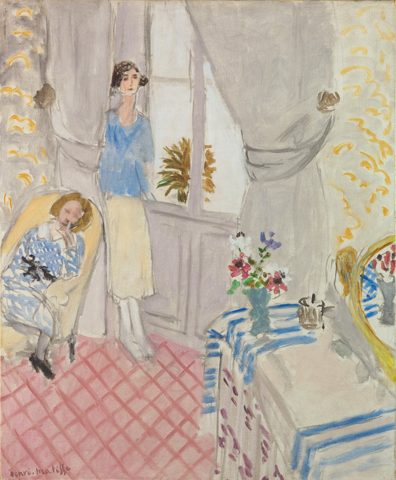
His early works, characterized by traditional still lifes and landscapes, evolved dramatically after exposure to Impressionism and the color theories of John Russell. Matisse's style matured in the early 1900s, marked by bold colors and flattened forms. His relocation to Nice in 1917 ushered in a more relaxed aesthetic, blending classical influences with modern sensibilities.
Despite facing health challenges later in life, Matisse continued to innovate, creating significant cut paper collages. His mastery of color and form left an indelible mark on the art world, influencing generations of artists and solidifying his legacy as a central figure in 20th-century art history. Matisse passed away on November 3, 1954, leaving behind a rich body of work that continues to inspire.