Paris › Musée de l'Orangerie › Henri Rousseau
Henri Rousseau at Musée de l'Orangerie
1844 – 1910
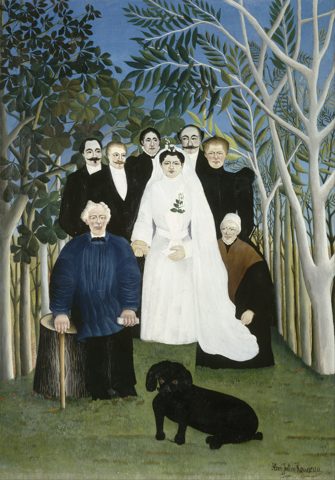
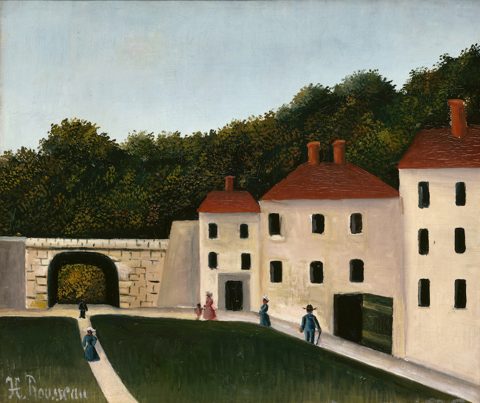
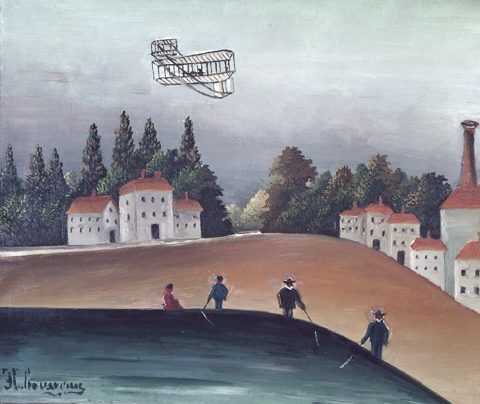
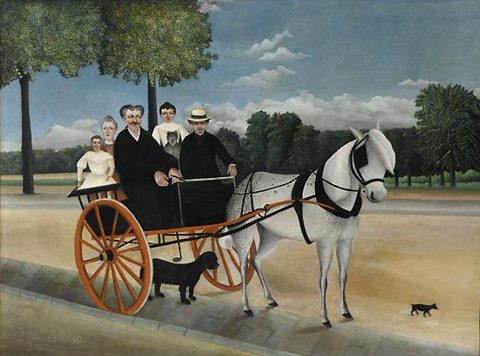
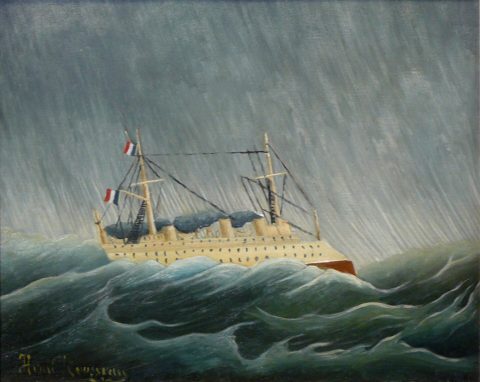
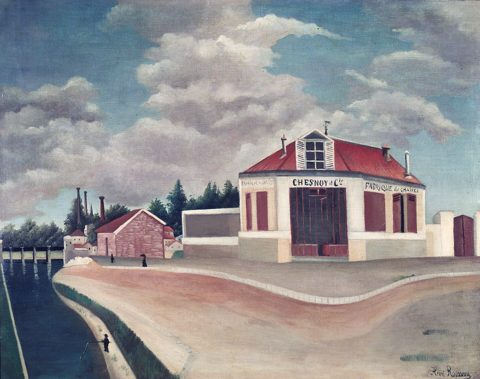
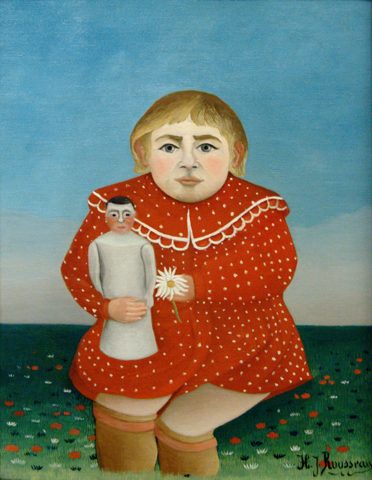
Henri Rousseau, born on May 21, 1844, in Laval, France, was a self-taught painter who became a pivotal figure in the Naïve art movement. Known as "Le Douanier" due to his job as a customs officer, he began painting seriously in his forties after a modest life marked by early hardship and family responsibilities. Despite facing ridicule from critics during his lifetime, Rousseau's unique style, characterized by vivid colors and dreamlike jungle scenes, garnered a devoted following.
His works, inspired by visits to the Natural History Museum and botanical gardens in Paris, often depicted fantastical landscapes, despite his never having traveled outside France. He exhibited regularly at the Salon des indépendants, where his painting "Surprised!" received acclaim from fellow artists, including Félix Vallotton. By the end of his life, Rousseau was celebrated by avant-garde figures like Pablo Picasso, who recognized his genius and honored him with a banquet in 1908.
Rousseau's influence on modern art is profound, impacting generations of artists, including the Surrealists and the Fauves. His legacy endures as a testament to the power of imagination and the beauty of simplicity in art. He passed away on September 2, 1910, in Paris, leaving behind a body of work that continues to inspire and captivate audiences worldwide.