 Image: Jebulon
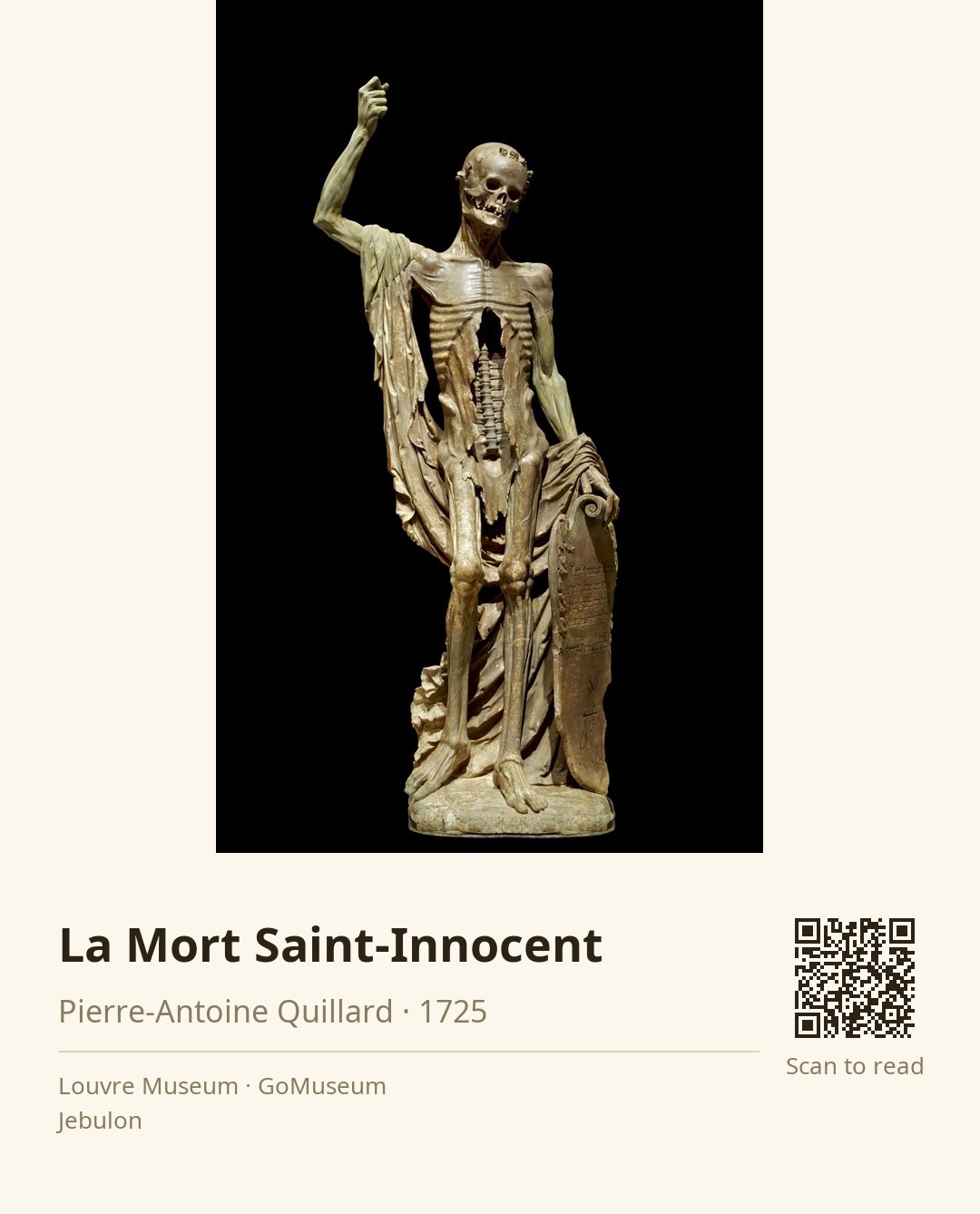
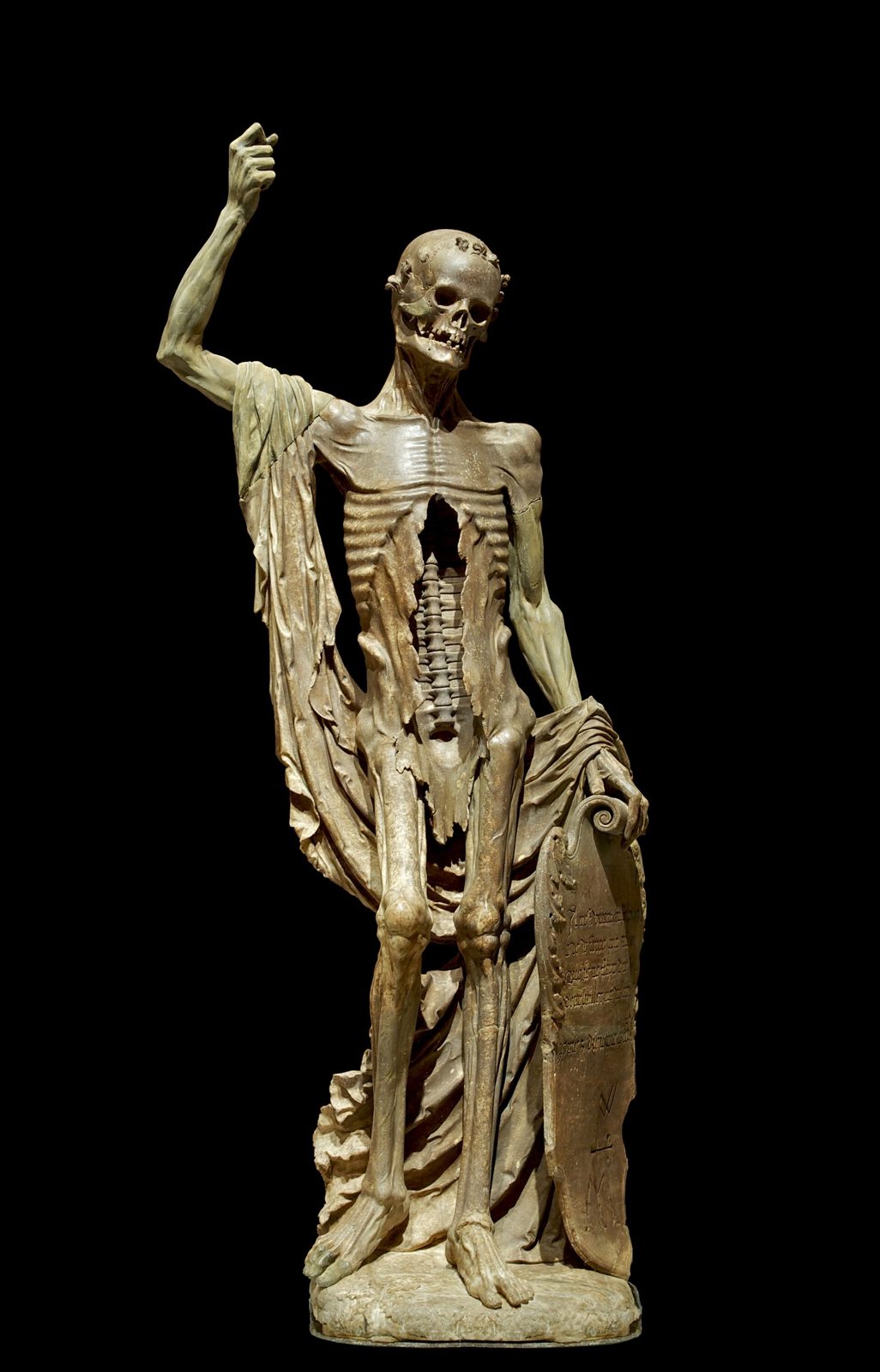
La Mort Saint-Innocent
🎧 This work has audio narration — listen in the appAs you stand before "La Mort Saint-Innocent," take a moment to let your eyes wander over the delicate brushwork and soft color palette. Notice how the figures seem to float in a dreamlike haze, their expressions a blend of sorrow and serenity. The way the light dances across their faces draws you into a moment that feels both intimate and universal.
This painting, created in 1725 by Pierre-Antoine Quillard, captures a poignant scene that speaks to the fragility of life. Quillard’s ability to evoke such deep emotion is a testament to his training under the influence of Watteau, known for his mastery of capturing human emotion and fleeting moments.
Quillard himself was a fascinating figure, a young artist who found his way to the royal court in Portugal, where he painted for nobility. Yet, despite his talent, many of his works have been lost to time, making this piece even more significant as a glimpse into his artistic vision.
As you absorb this moment, think about the stories that lie behind these faces. What emotions do you feel when you look at them? What do you think Quillard wanted to convey about life and death in this hauntingly beautiful work?
Pierre-Antoine Quillard was a French portrait painter and engraver born around 1700 in Paris. The son of a woodworker, he showed artistic talent early, possibly studying under Antoine Watteau or his associates. By age eleven, his works were so impressive that Cardinal Fleury presented them to King Louis XV, securing him a pension. Despite failing to win the prestigious Prix de Rome twice, Quillard moved to Portugal in 1725 to work for Charles Frédéric de Merveilleux, illustrating a herbarium. He quickly gained recognition, becoming court painter to King John V in 1727, where he decorated royal apartments. Much of his work was lost in the Lisbon earthquake of 1755, and due to the demand for Watteau-style paintings, few of Quillard's pieces are definitively attributed to him. He died in Lisbon in 1733, leaving a legacy that remains somewhat elusive in art history.
Pierre-Antoine Quillard's painting, "La Mort Saint-Innocent," was created in 1725, during a period when he was establishing himself in Portugal. Quillard, who had been trained under the influence of the renowned Antoine Watteau, was commissioned to create this work while serving as a court painter for King John V. His career was marked by a series of notable commissions, including decorations for the royal apartments and illustrations for scientific publications. The painting's reception was likely mixed, as Quillard struggled to gain recognition in a market saturated with works in Watteau's style, especially after the master's death in 1721. Tragically, many of Quillard's works have been lost over time, making "La Mort Saint-Innocent" a rare glimpse into his artistic vision and emotional depth. This piece stands out not only for its beauty but also for its connection to the artist's life and the cultural milieu of early 18th-century Portugal.
As you gaze at "La Mort Saint-Innocent," pay attention to the delicate brushwork that Quillard employs. The soft, almost feathery strokes create a sense of movement and fluidity, giving life to the figures as they seem to float in a dreamlike haze. The color palette is muted yet rich, with gentle pastels that evoke a sense of tranquility, contrasting with the weighty themes of mortality. Notice how the light plays across the figures' faces, highlighting their expressions of sorrow and serenity. This careful manipulation of light not only draws your eye but also enhances the emotional resonance of the scene. Quillard's composition is masterful; the arrangement of figures leads your gaze through the painting, inviting you to explore the layers of emotion and narrative within this intimate moment. The overall effect is one of ethereal beauty, capturing the fragility of life in a way that feels both personal and universal.
One intriguing aspect of Quillard's life is that, despite his talent, he struggled to win the prestigious Prix de Rome, coming in second place twice. This setback did not deter him; instead, it led him to accept a commission in Portugal, where he ultimately found success as a court painter. Interestingly, his early works were so closely aligned with Watteau's style that they were presented to King Louis XV, who recognized his potential and granted him a pension at a young age.
Quillard struggled to win the prestigious Prix de Rome, coming in second place twice, which was a notable setback for an artist of his talent.
His early works were so closely aligned with Watteau's style that they were presented to King Louis XV, who recognized his potential and granted him a pension at a young age.
Many of Quillard's early decorations, including those in Queen Maria Anna's apartments, were destroyed in the Lisbon earthquake of 1755, leading to a significant loss of his work.