 Image: Ken and Nyetta
The soldier in this painting grips his sword confidently, a symbol of both power and readiness. His elaborate hat, adorned with a plume, adds a touch of grandeur, emphasizing his status. The careful rendering of his beard and the folds of his clothing showcases Pietro della Vecchia's skill in capturing texture and detail, drawing you into the character's world.
This portrait, created in 1650, reflects the artist's mastery of the Baroque style, where the interplay of light and shadow brings depth to the figure. Della Vecchia, who was active in Venice, was known for his ability to blend influences from earlier masters with his own unique approach, making his subjects come alive with personality and presence. The soldier's direct gaze engages the viewer, inviting a connection that transcends time.
Della Vecchia's career flourished as he became a prominent figure in the Venetian art scene, recognized for both his portraits and religious works. His legacy continued through his influence on students and his role as a connoisseur of art, contributing to the rich tapestry of 17th-century Venetian culture.
Pietro della Vecchia, born in 1603, was a prominent Venetian artist who bridged the late Mannerism and early Baroque periods. His versatility spanned altarpieces, portraits, genre scenes, and grotesques, reflecting a deep admiration for the masters of the 16th century. Although his life remains somewhat obscure, he was likely trained under Alessandro Varotari and influenced by Carlo Saraceni and Jean Leclerc. Della Vecchia's career flourished in Venice, where he became known for his religious works and was appointed "pitor ducal," responsible for the mosaics of St. Mark's Basilica.
His marriage to Clorinda Régnier, herself an artist, enriched his artistic environment. Della Vecchia was also a respected art connoisseur, guiding collectors and merchants in valuing artworks. By the end of his life, he had established a significant workshop and an academy for aspiring artists, influencing future generations, including Gregorio Lazzarini. Della Vecchia passed away in 1678, leaving behind a legacy as a skilled painter and a vital figure in the evolution of Venetian art.
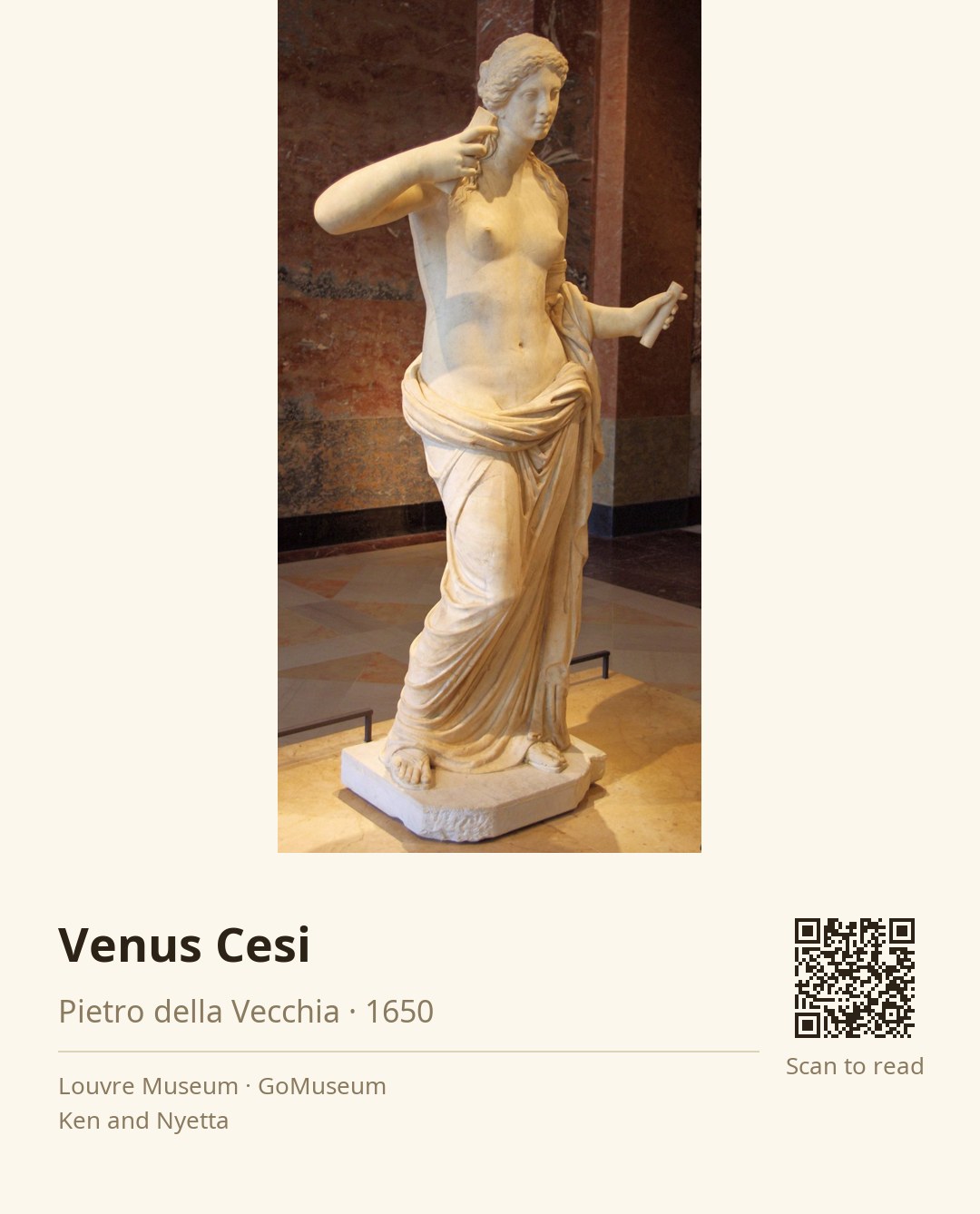
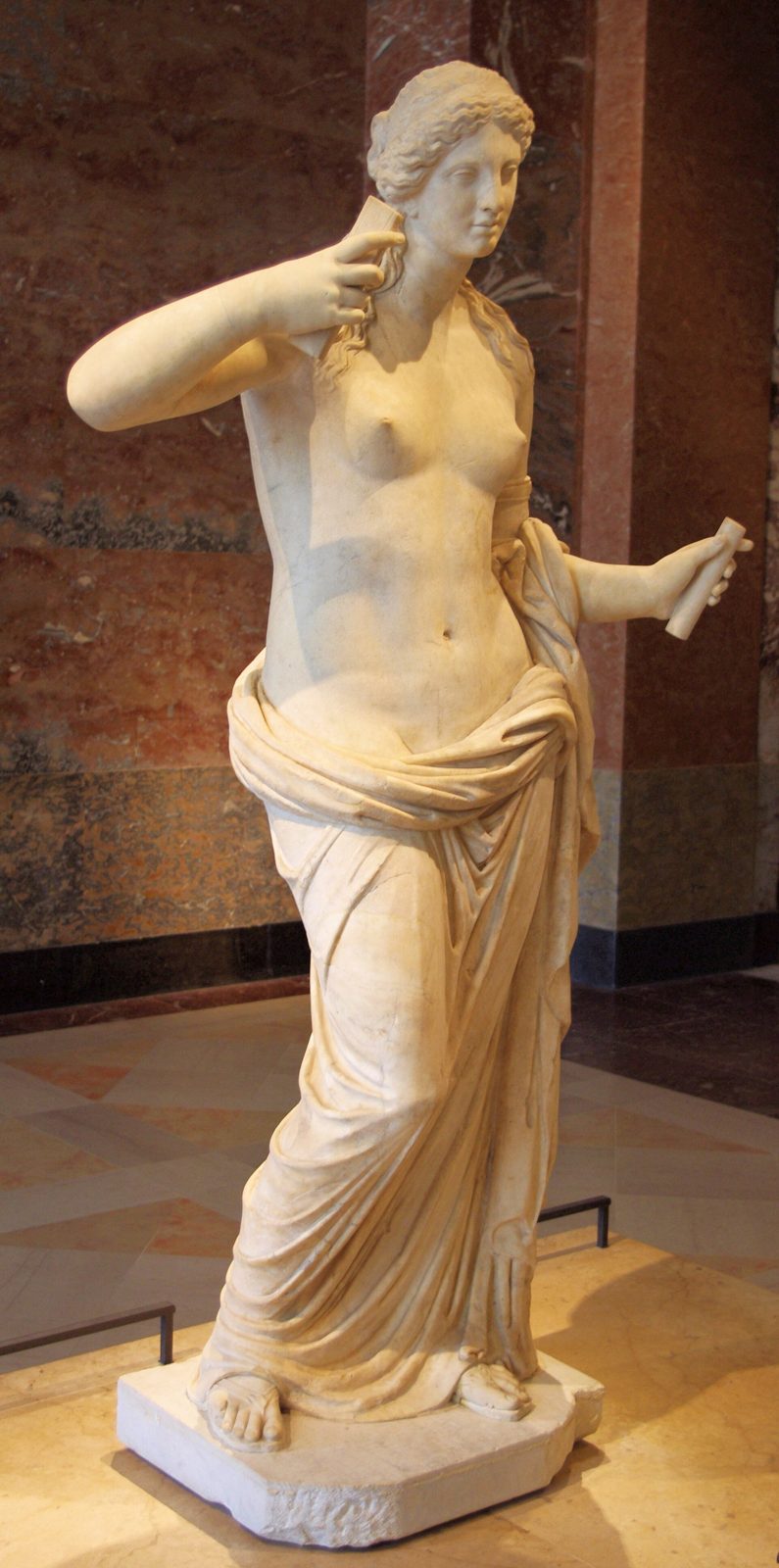
This striking portrait, known as 'Venus Cesi,' was created in 1650 by the talented Venetian artist Pietro della Vecchia. Commissioned during a time when Venice was a hub of artistic innovation, this work showcases the artist's growing reputation. Originally part of a private collection, it later came into the possession of Louis XVI, reflecting its esteemed status. After the French Revolution, it became part of the Crown of France's collection, further solidifying its historical significance. The painting has been referenced in various art catalogs, including the 'Catalogue sommaire illustré des peintures du musée du Louvre,' indicating its ongoing relevance in art history discussions.
Della Vecchia's technique in this painting is a masterclass in oil handling. The rich, textured brushwork brings the soldier's elaborate hat and confident stance to life, while the careful layering of paint creates a sense of depth. The vibrant colors used for the plume contrast sharply with the darker tones of the soldier's clothing, drawing your eye to the intricate details. The composition is dynamic, with the figure slightly turned, suggesting movement and readiness. The way light interacts with the textures of the beard and fabric adds a lifelike quality, making the soldier seem almost ready to step out of the canvas. This meticulous attention to detail not only showcases the artist's skill but also invites viewers to connect with the character on a personal level.
Interestingly, Pietro della Vecchia was not just a painter; he was also a sought-after art expert. He frequently evaluated artworks for collectors and merchants, lending his keen eye to the burgeoning art market of his time. This dual role as both creator and connoisseur enriched his understanding of art, allowing him to incorporate a wide range of influences into his own work.