 Image: Shonagon · Gary Todd from Xinzheng, China · Geffroy, Gustave, 1855-1926 · __earth (Talk).
Original uploader was Earth at en.wikipedia
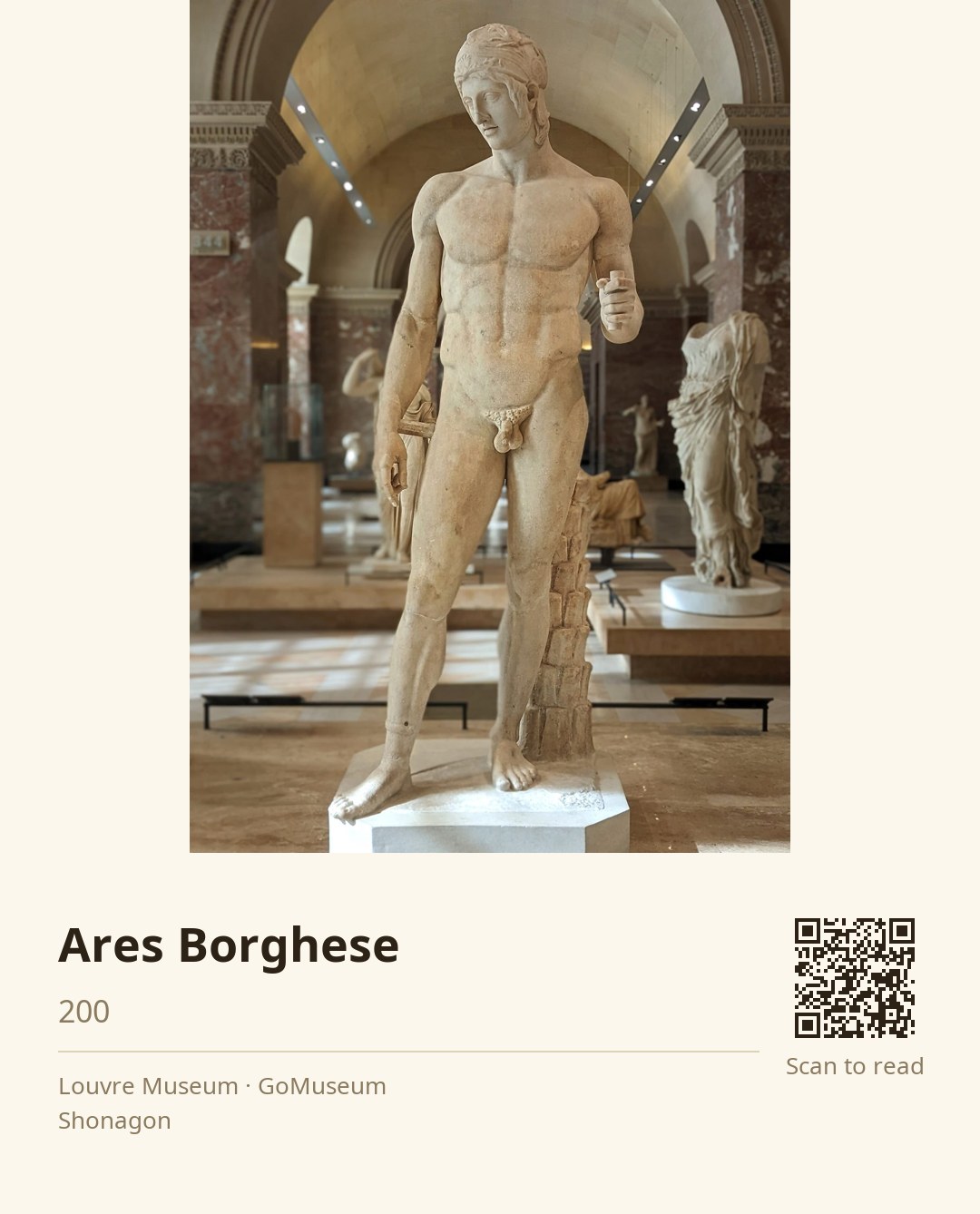
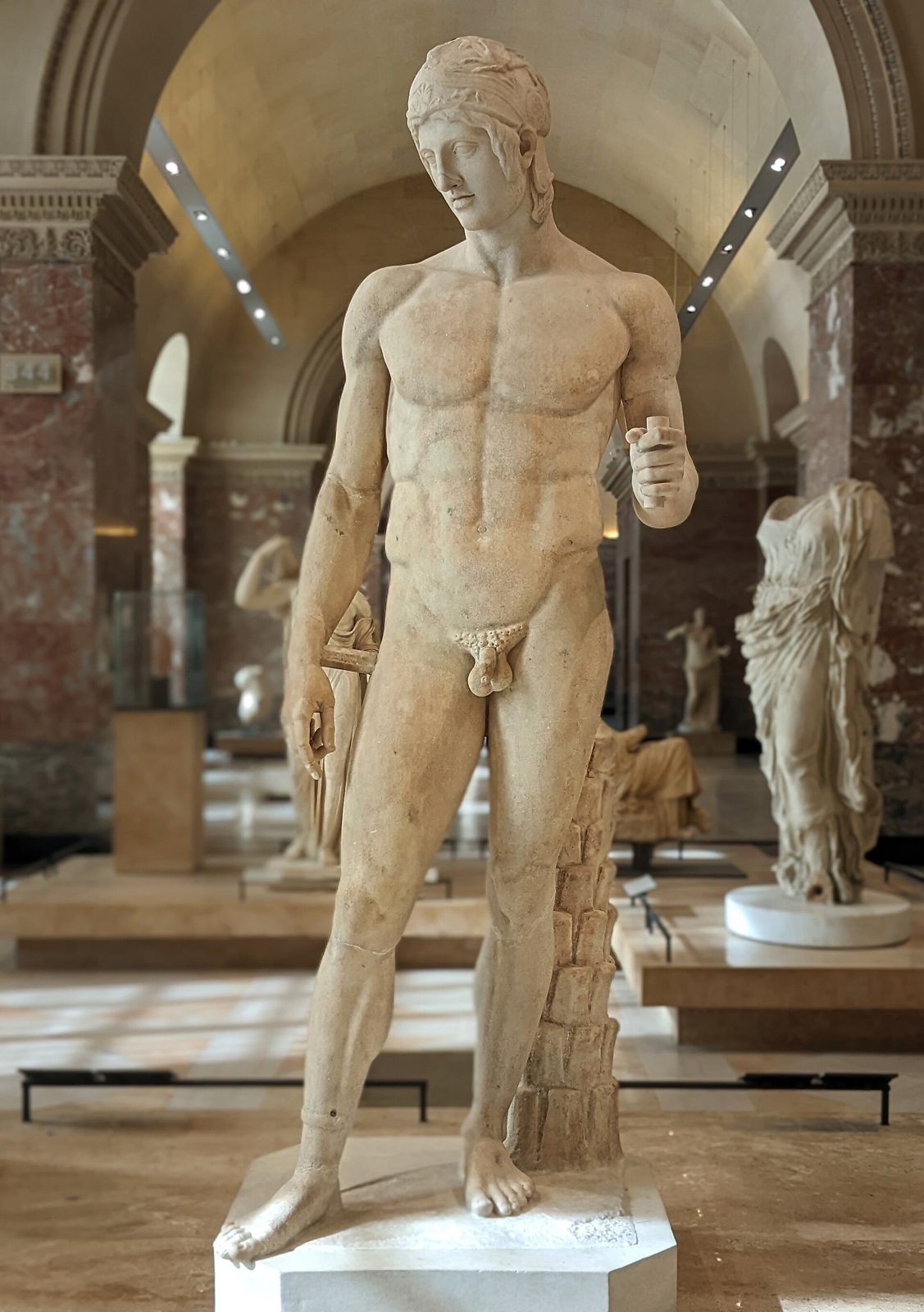
Ares Borghese
🎧 This work has audio narration — listen in the appTake a moment to really look at the Ares Borghese. Notice how the figure stands tall, almost 7 feet high, with a commanding presence that draws you in. Focus on that left leg, adorned with an intriguing anklet. It’s not just a decorative detail; it sparks a debate among scholars about the identity of this figure. Is it truly Ares, the god of war, or could it represent a hero like Theseus or Achilles?
This anklet, often overlooked, opens a window to the complexities of ancient identity and representation. While Ares is typically depicted in armor, this statue presents him in a more vulnerable state, hinting at the duality of strength and fragility. The missing elements—his shield and sword—add to this narrative, suggesting a moment of pause in the midst of conflict.
Created around 200 AD, this Roman marble statue is thought to be inspired by earlier Greek works, possibly echoing the style of the sculptor Alcamenes. It was once part of the Borghese collection before being acquired by Napoleon, which adds layers of history to its journey.
As you stand here, consider this: what does this blend of strength and vulnerability say about the nature of power? How does it resonate with our own perceptions of heroes today?
As you gaze at the Ares Borghese, take a moment to appreciate the craftsmanship of this Roman marble statue. Notice the smooth, polished surface that reflects light beautifully, highlighting the contours of the figure. The artist has skillfully employed a technique known as contrapposto, where the weight is shifted onto one leg, creating a sense of movement and life. Look closely at the details of the helmet, adorned with intricate motifs of dogs and griffins, which hint at its ceremonial purpose. The missing elements, like the sword and shield, suggest a narrative of conflict, but the artistry remains in the way the marble captures the tension between strength and vulnerability, inviting you to ponder the story behind this imposing figure.
Originally part of the Borghese collection, it was acquired by Napoleon in 1807, who displayed it in the Louvre, then known as the Musée Napoléon. This statue, while commonly identified as Ares, has sparked debate among scholars regarding its true identity. Some suggest it may represent a hero like Theseus or Achilles, especially considering the unique anklet on the left leg. The statue has undergone restorations over the years, with various parts reattached, including limbs and the base.
Emerging from the imperial Roman era, it reflects a blend of Greek heritage and Roman innovation. This statue, possibly inspired by earlier works, influenced how deities were depicted in art, particularly the rare representation of Ares. Its pose and features became a template for future sculptures, symbolizing the union of military might and peace, often paired with figures like Venus. This dynamic pairing resonated throughout art history, shaping the portrayal of divine relationships and human emotions in sculpture. Remember, this statue is a bridge between cultures, echoing through time in the way we visualize gods and heroes.
One intriguing aspect of the Ares Borghese is its connection to popular culture; it even appears as a bust in the anime 'Sekko Boys.' This modern reference highlights how ancient art continues to resonate today, bridging the gap between classical themes and contemporary storytelling. It's fascinating to think about how a statue created nearly two millennia ago still finds relevance in today's media, showcasing the timeless nature of its themes.
The statue's presence as a bust in the anime 'Sekko Boys' illustrates its lasting impact, showing how ancient art continues to inspire contemporary storytelling and connect with modern audiences.
The statue has undergone significant restorations, with various parts such as limbs and the base reattached, raising questions about the authenticity and integrity of the original work.