Paris › Jean-François Millet
Jean-François Millet at Paris
1814 – 1875
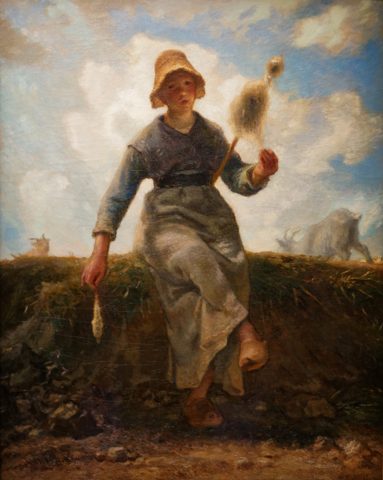
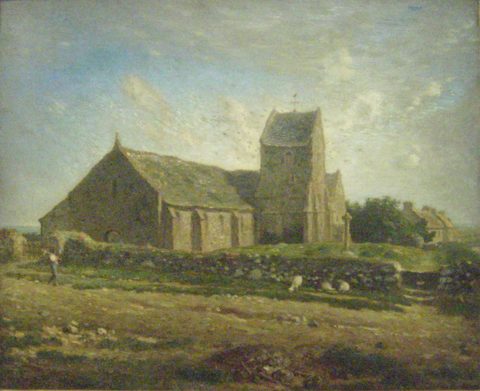
Jean-François Millet was a pivotal figure in 19th-century French art, born on October 4, 1814, in Gruchy, Normandy. As a founding member of the Barbizon school, he is celebrated for his profound depictions of peasant life, embodying the Realism movement. Millet's early years were steeped in agricultural labor, which deeply influenced his artistic themes. After studying under various artists, he moved to Paris, where he initially struggled but eventually gained recognition for his work.
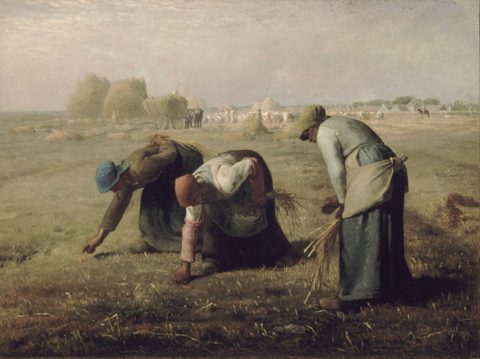
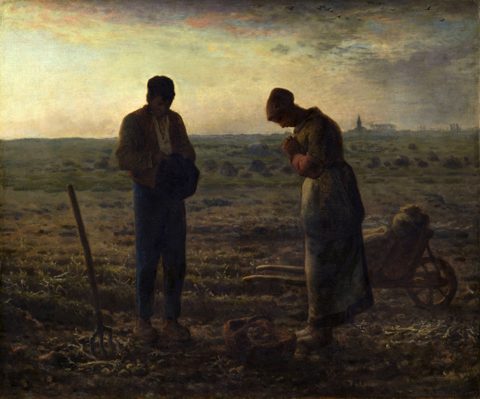
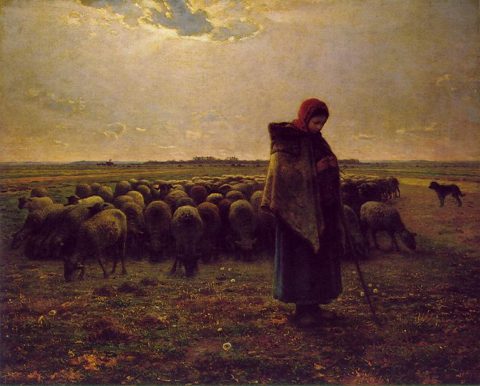
Millet's paintings often highlighted the dignity of rural laborers, showcasing their struggles and connection to the land. His notable works, such as "The Gleaners" and "The Angelus," reflect a shift from idealized pastoral scenes to a more authentic representation of contemporary social conditions. Despite facing criticism early in his career, he found success in the mid-1850s, producing masterpieces that resonated with the public and critics alike.
Millet's legacy lies in his ability to elevate the everyday lives of farmers to the realm of fine art, influencing generations of artists and solidifying his place in art history as a champion of the working class. He passed away on January 20, 1875, in Barbizon, leaving behind a rich body of work that continues to inspire.