Paris › Musée d'Orsay › William-Adolphe Bouguereau
William-Adolphe Bouguereau at Musée d'Orsay
1825 – 1905
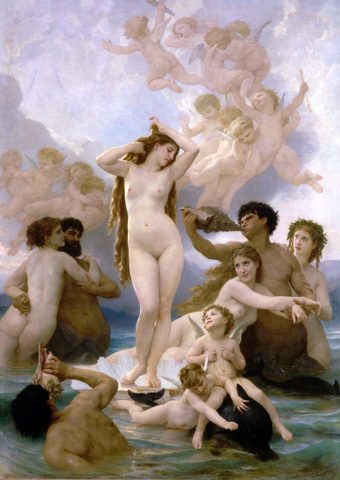
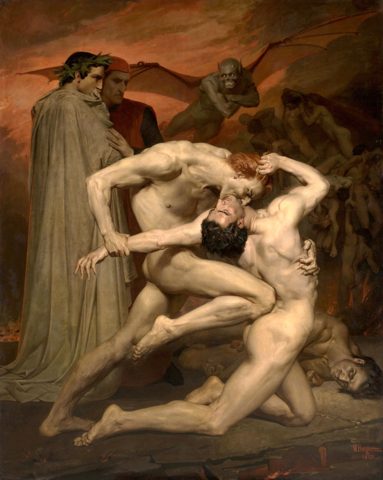
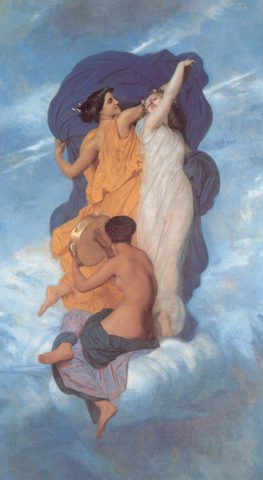
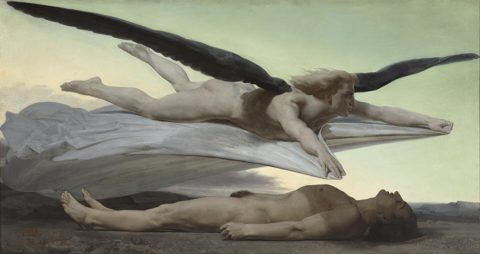
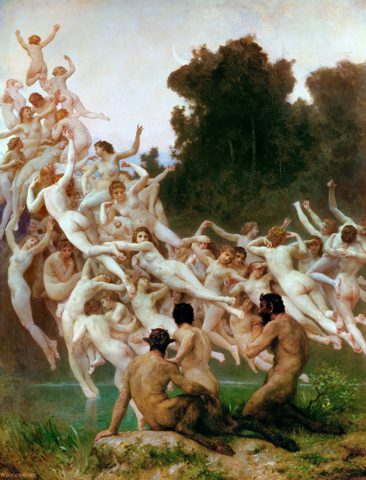
William-Adolphe Bouguereau was a prominent French academic painter born on November 30, 1825, in La Rochelle. He grew up in a family of merchants and developed a passion for art at a young age. Bouguereau studied at the École des Beaux-Arts and won the prestigious Prix de Rome in 1850, which allowed him to immerse himself in the classical art of Italy. His work, characterized by realistic depictions of mythological themes and the female form, gained immense popularity in France and the United States during his lifetime.
Despite his success, he faced criticism from the Impressionist movement, which deemed his style overly traditional. By the early 20th century, changing tastes led to a decline in his popularity, but a revival in the 1980s rekindled interest in his work. Bouguereau completed 822 known paintings, many of which remain lost. His legacy as a master of academic painting endures, particularly for his sensitive portrayals of women and children, marking him as a significant figure in art history. He passed away on August 19, 1905, leaving behind a complex legacy that continues to provoke discussion and admiration.