Paris › Musée d'Orsay › Henri Fantin-Latour
Henri Fantin-Latour at Musée d'Orsay
1836 – 1904
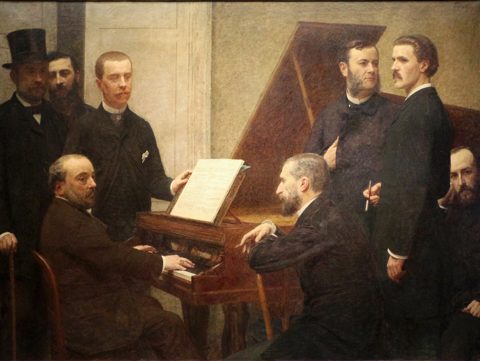
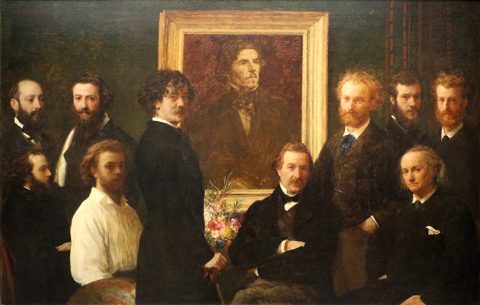
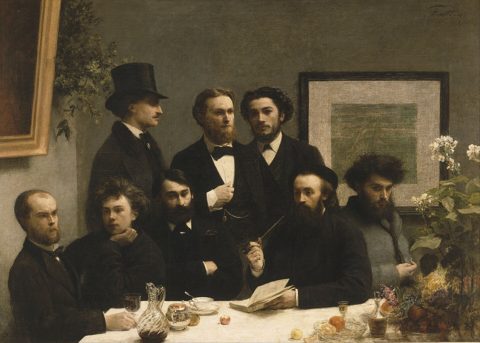
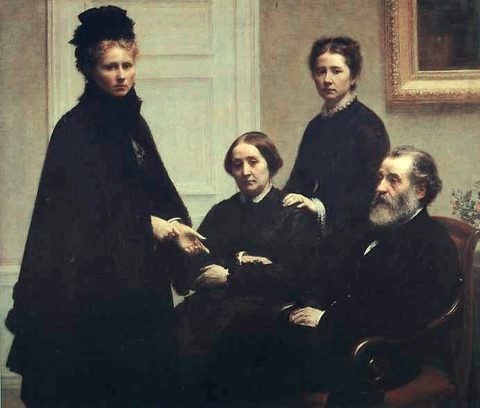
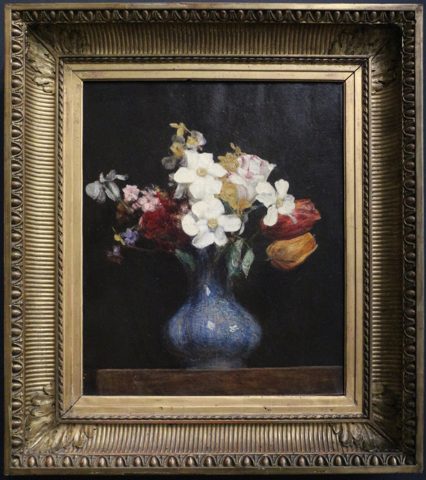
Ignace Henri Jean Théodore Fantin-Latour, born on January 14, 1836, in Grenoble, was a notable French painter and lithographer renowned for his exquisite flower paintings and group portraits of contemporary artists and writers. His artistic journey began under the guidance of his father, a painter, and continued in Paris, where he studied at the École des Beaux-Arts alongside future Impressionists like Edgar Degas and Alphonse Legros. Despite his connections to the avant-garde, Fantin-Latour's style remained rooted in realism and tradition.
In the 1860s, he gained acclaim for his still lifes, particularly in England, where his works were celebrated for their vibrant colors and textures. Encouraged by James McNeill Whistler, he embraced this genre, which was often undervalued in the hierarchy of art. His still lifes, characterized by their simplicity and focus on form, defied academic conventions and showcased his mastery of color.
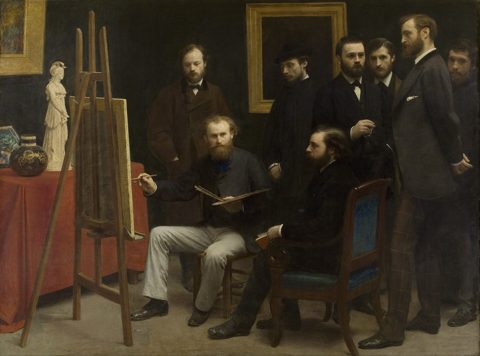
Fantin-Latour's contributions to collective portraiture, such as "A Studio at Les Batignolles," positioned him as a bridge between Romanticism and Impressionism. Despite being overshadowed by his contemporaries, his legacy endures, with his works held in prestigious museums and a lasting influence on subsequent generations of artists. He passed away on August 25, 1904, leaving behind a rich artistic heritage that continues to be appreciated today.