Paris › Louvre Museum › Andrea Mantegna
Andrea Mantegna at Louvre Museum
1431 – 1506
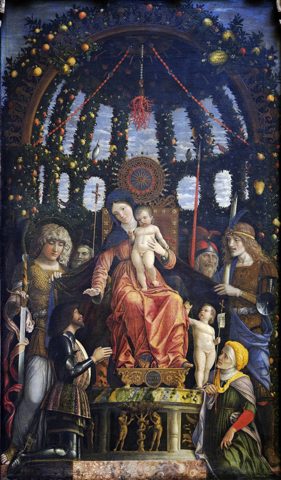
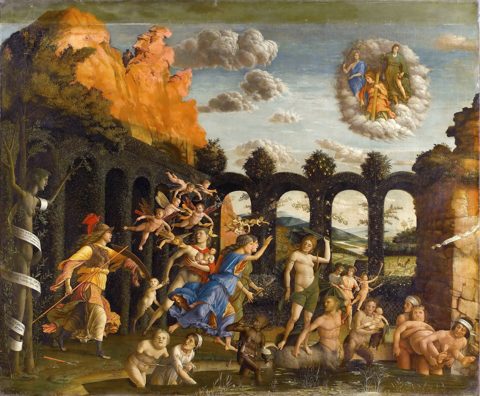
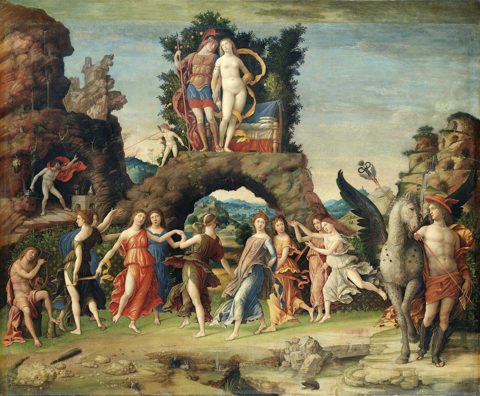
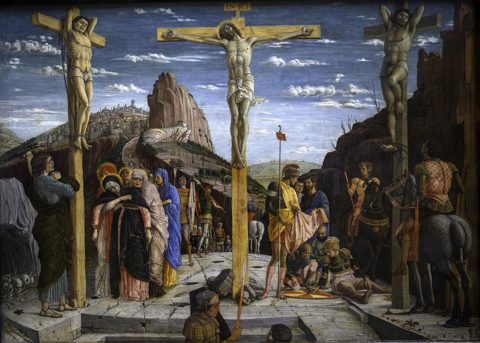
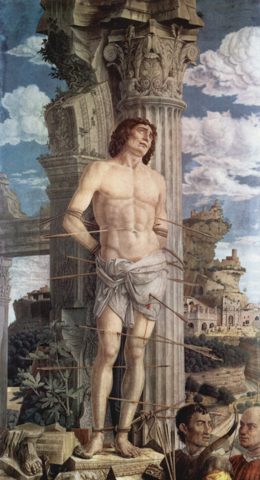
Andrea Mantegna, born around 1431 in Isola di Carturo, was a pivotal figure in the Italian Renaissance, renowned for his innovative approach to perspective and his sculptural style. Apprenticed to Francesco Squarcione, he absorbed a passion for classical antiquity, which profoundly influenced his artistic vision. Mantegna's early works, including the frescoes in the Ovetari Chapel, showcased his mastery of dramatic perspectives and detailed architectural elements, although many were tragically lost during World War II.
His marriage to Nicolosia, daughter of Jacopo Bellini, further anchored him in the vibrant artistic community of Venice. Mantegna's distinct style, characterized by flinty landscapes and statuesque figures, often drew criticism for its rigidity, yet it marked a significant departure from Gothic traditions. He was instrumental in elevating the status of the artist in society, embodying the Renaissance ideal of the creative genius. Mantegna's legacy endures, influencing generations of artists and cementing his place in art history as a master of both painting and printmaking. He passed away in 1506, leaving behind a rich body of work that continues to inspire.