Paris › Louvre Museum › Philippe de Champaigne
Philippe de Champaigne at Louvre Museum
1602 – 1674
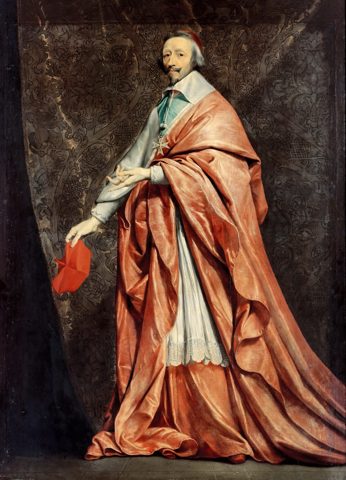
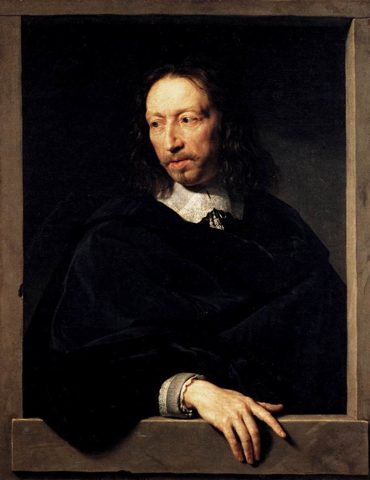
Philippe de Champaigne was a prominent French Baroque painter born on May 26, 1602, in Brussels. Coming from a humble background, he trained under notable artists before moving to Paris in 1621, where he became an independent master. Champaigne gained recognition as the Queen's Painter, creating significant works for the royal family and religious institutions. His style evolved from the vibrant influences of Rubens to a more austere approach, characterized by the psychological depth of his subjects.
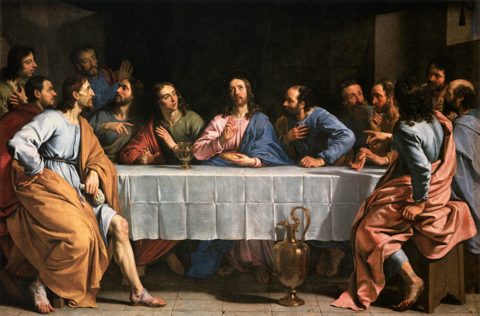
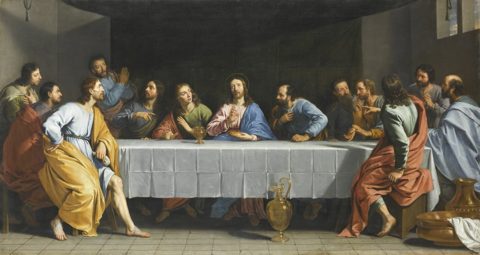
A founding member of the Académie royale de peinture et de sculpture, he played a crucial role in shaping French art during the Ancien Régime. His notable works include portraits of the French court and religious scenes, such as "Ex-Voto," which reflects his personal life and Jansenist beliefs. Champaigne's legacy endures through his masterful compositions and the emotional resonance of his paintings, securing his place in art history as a key figure of the Baroque era. He passed away on August 12, 1674, leaving behind a rich artistic heritage.