Paris › Louvre Museum › Théodore Géricault
Théodore Géricault at Louvre Museum
1791 – 1824
Jean-Louis André Théodore Géricault was a French painter and lithographer born on September 26, 1791, in Rouen. He moved to Paris as a child, where his artistic talent was nurtured by family connections in the art world. Géricault's life was marked by a passionate pursuit of art, characterized by a fascination with the human condition and dramatic themes. His early works, influenced by the classical tradition, evolved into a distinctive style that bridged Neoclassicism and Romanticism.
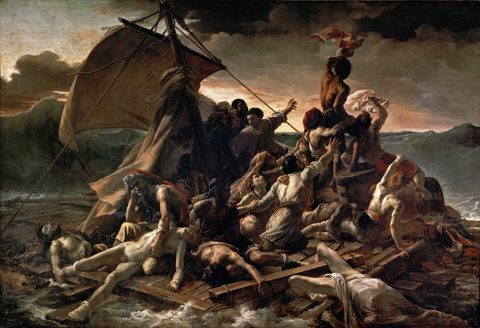
Géricault's most renowned painting, The Raft of the Medusa, created between 1818 and 1819, reflects his deep engagement with contemporary issues, depicting the aftermath of a tragic shipwreck that became a national scandal. This monumental work showcased his ability to convey intense emotion and the struggle against nature, establishing him as a pioneer of the Romantic movement. Despite his brief life—he died at just 32—Géricault's innovative approach and exploration of human suffering left a lasting impact on the art world, influencing future generations of artists. His legacy endures, celebrated for its emotional depth and dramatic intensity.