Paris › Petit Palais › Albrecht Dürer
Albrecht Dürer at Petit Palais
1471 – 1528
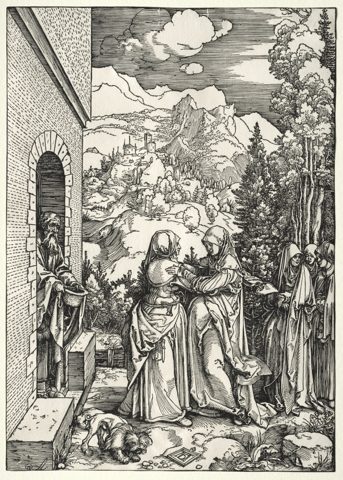
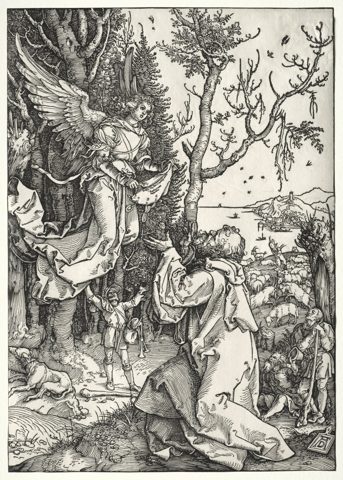
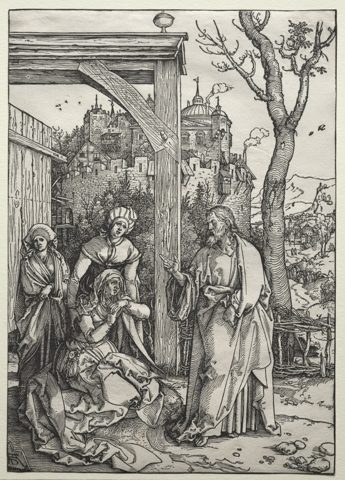
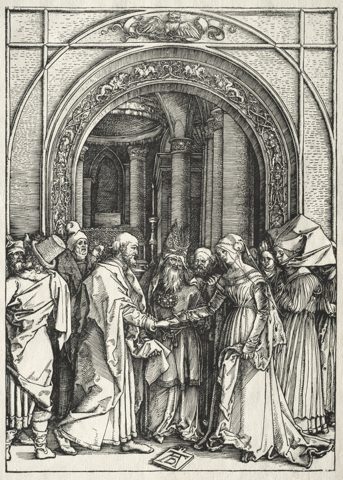
Albrecht Dürer, born on May 21, 1471, in Nuremberg, was a pivotal figure of the German Renaissance, renowned for his contributions as a painter, printmaker, and theorist. His artistic journey began early, showing exceptional talent in drawing, which led him to apprentice under Michael Wolgemut. By his twenties, Dürer gained recognition across Europe, particularly for his innovative woodcuts that transformed the medium. His engravings, characterized by meticulous detail and tonal range, further established his reputation.
Dürer's interactions with leading Italian artists, including Raphael and Leonardo da Vinci, enriched his work, allowing him to integrate classical motifs and the human form into Northern art. His theoretical writings on perspective and proportions reflect his deep engagement with the principles of mathematics in art. Dürer's legacy is marked by his ability to bridge the gap between Northern and Southern European artistic traditions, making him a central figure in art history. His works, including iconic pieces like "Melencolia I" and "Knight, Death, and the Devil," continue to influence artists and captivate audiences today. Dürer passed away on April 6, 1528, leaving behind a vast and impactful body of work.