Paris › Musée d'Orsay › Auguste Rodin
Auguste Rodin at Musée d'Orsay
1840 – 1917
François Auguste René Rodin, born on November 12, 1840, in Paris, is celebrated as a pioneer of modern sculpture. His artistic journey began in a working-class family, where he developed a passion for drawing at an early age. Despite facing rejections from prestigious art schools, Rodin honed his skills through self-education and apprenticeships, notably under the influential sculptor Antoine-Louis Barye.
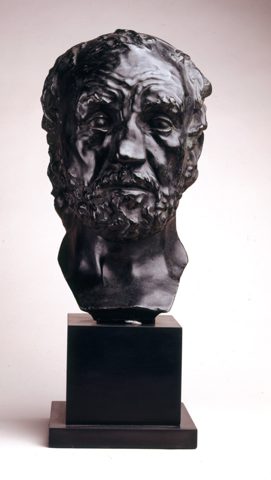
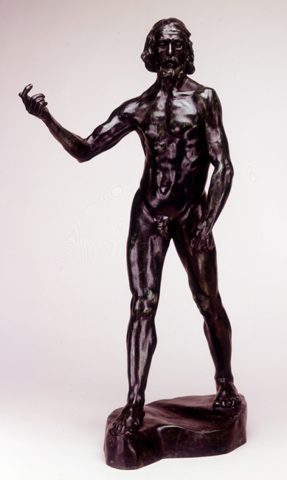
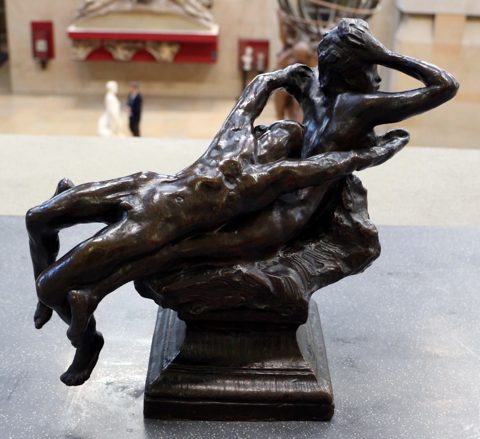
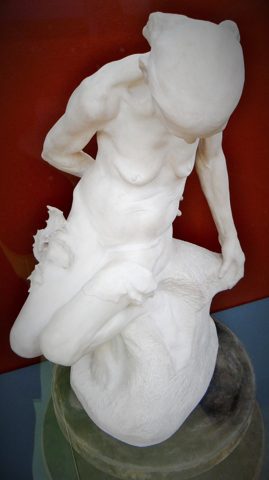
Rodin's work is characterized by a remarkable ability to capture the human form with naturalism and emotional depth, diverging from the decorative and formulaic styles of his contemporaries. His iconic pieces, such as The Thinker and The Kiss, reflect a profound exploration of human experience, blending elements of romanticism and impressionism. His innovative approach often sparked controversy, yet he remained steadfast in his vision.
Throughout his life, Rodin formed significant relationships, notably with sculptor Camille Claudel, who was both his student and muse. He eventually married his lifelong partner, Rose Beuret, shortly before their deaths. By the turn of the 20th century, Rodin had achieved international acclaim, becoming a sought-after artist among the elite. Although his popularity waned after his death in 1917, his legacy endured, solidifying his status as one of the most influential sculptors in art history.