Paris › Musée d'Orsay › Jean-Léon Gérôme
Jean-Léon Gérôme at Musée d'Orsay
1824 – 1904
Jean-Léon Gérôme, born on May 11, 1824, in Vesoul, France, was a prominent painter and sculptor known for his academic style. He gained fame in the mid-19th century, becoming arguably the most celebrated artist of his time. Gérôme's work spanned various genres, including historical, mythological, and Orientalist themes, showcasing his meticulous attention to detail and vibrant compositions. His early education in drawing laid the foundation for his artistic journey, which included studies under notable mentors in Paris.
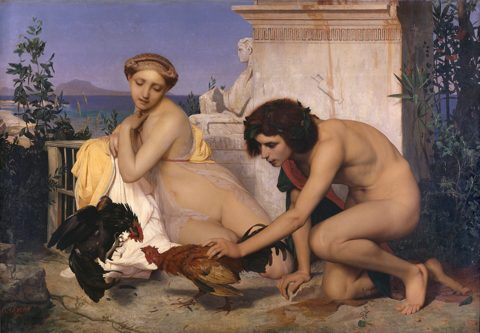
Gérôme's career flourished after his debut at the Paris Salon in 1847, where his painting "The Cock Fight" garnered critical acclaim. He became a leading figure in the Neo-Grec movement and later embraced Orientalism after travels to Egypt and the Ottoman Empire. His works often depicted exotic scenes, blending accurate architectural details with idealized figures. As a teacher at the École des Beaux-Arts, he influenced a generation of artists, including Mary Cassatt and Thomas Eakins.
Despite his initial success, Gérôme's resistance to modern movements like Impressionism led to a decline in his reputation after his death on January 10, 1904. However, his art experienced a revival in the late 20th century, inspiring filmmakers and continuing to be celebrated for its technical prowess and historical significance. With around 600 paintings and numerous sculptures, Gérôme remains a key figure in the academic art tradition of the Second Empire.