Paris › Louvre Museum › Anne-Louis Girodet
Anne-Louis Girodet at Louvre Museum
1767 – 1824
Anne-Louis Girodet de Roussy-Trioson, born on January 29, 1767, in Montargis, was a pivotal figure in the transition from Neoclassicism to Romanticism in French art. A talented pupil of Jacques-Louis David, he gained recognition for his precise style and innovative approach, incorporating elements of eroticism and emotional depth into his works. After losing both parents in his youth, he was adopted by his guardian, Dr. Benoît-François Trioson, whose influence shaped his career.
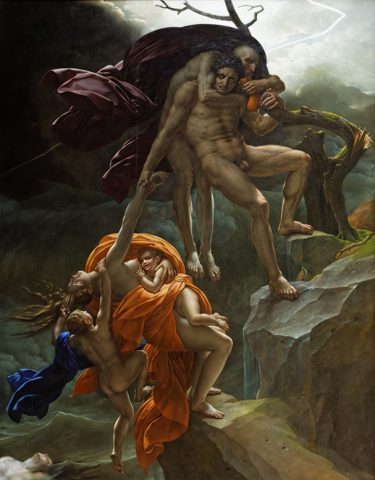
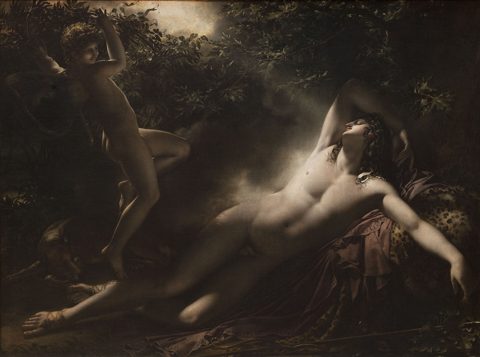
Girodet's artistic journey began with a focus on architecture before he shifted to painting, winning the prestigious Prix de Rome at just 22. His time in Italy profoundly impacted his style, leading to acclaimed works like "Endymion" and "Hippocrates Refusing the Gifts of Artaxerxes." Upon returning to France, he painted notable portraits, including members of the Bonaparte family, and won the decennial prize for "Scène du déluge."
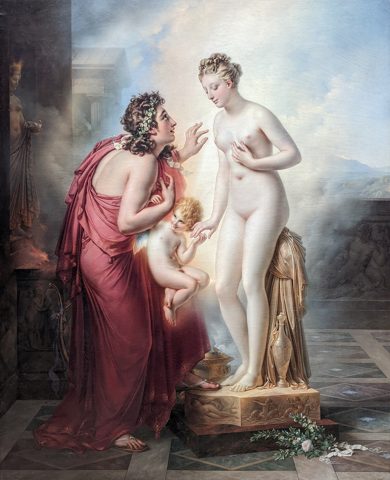
Despite his success, Girodet faced personal challenges, including declining health in his later years. His final works, such as "Pygmalion and Galatea," reflected a deterioration in his artistic vigor. He passed away on December 9, 1824, in Paris, leaving behind a legacy that bridged classical ideals and Romantic sensibilities, influencing future generations of artists. His contributions were later celebrated in major exhibitions, affirming his place in art history.