Paris › Louvre Museum › Lorenzo Lotto
Lorenzo Lotto at Louvre Museum
1480 – 1556
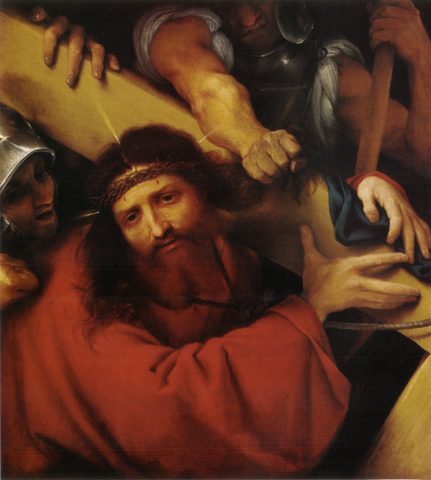
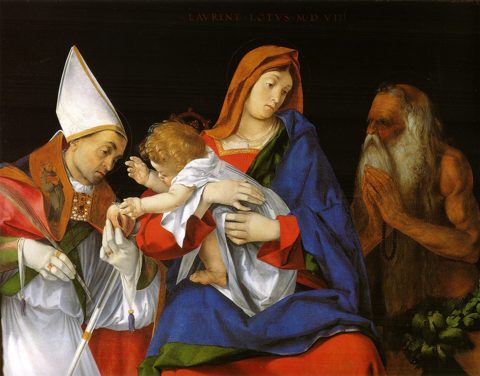
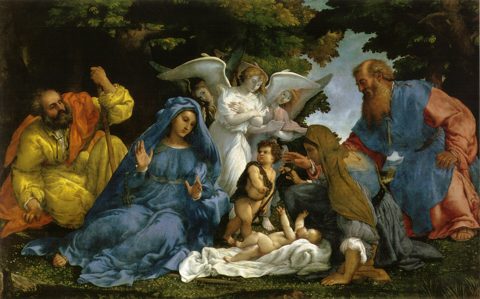
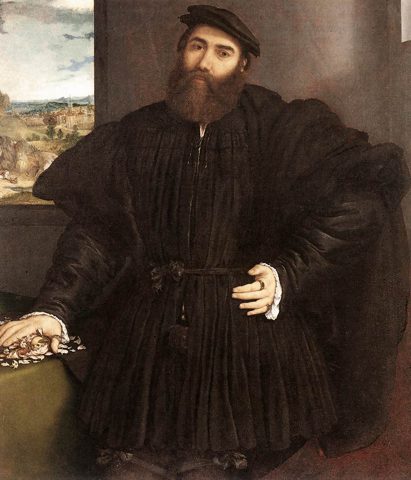
Lorenzo Lotto, born around 1480 in Venice and passing away in 1556, was a notable Italian Renaissance painter whose career spanned various northern Italian cities. Although often associated with the Venetian school, his unique style and independent approach set him apart from contemporaries like Titian and Giorgione. Lotto's work primarily encompassed altarpieces, religious themes, and portraits, reflecting a distinctive blend of High Renaissance ideals with a personal touch that hinted at the emerging Mannerist style.
His artistic journey began in Treviso, where he gained recognition under the patronage of Bishop Bernardo de' Rossi. Lotto's early works, such as "Allegory of Virtue and Vice," showcased his ability to convey psychological depth through intricate symbolism. His time in Rome was marked by an invitation from Pope Julius II to decorate the papal apartments, although this opportunity did not yield lasting results.
Lotto's most fruitful period occurred in Bergamo, where he produced some of his finest works, characterized by rich color and dramatic compositions. Despite his initial acclaim, Lotto's reputation waned after his death, leading to a gradual obscurity. Today, he is celebrated for his idiosyncratic style and contributions to the transition between Renaissance and Mannerism, earning him a unique place in art history.