Paris › Louvre Museum › Anthony van Dyck
Anthony van Dyck at Louvre Museum
1599 – 1641
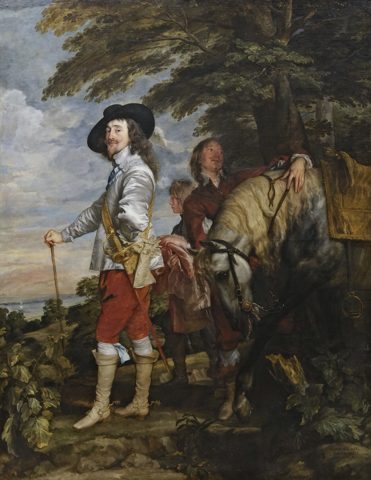
Sir Anthony van Dyck, born on March 22, 1599, in Antwerp, was a pivotal Flemish Baroque artist renowned for his portraits. As the seventh child of a wealthy silk merchant, his artistic talent emerged early, leading him to study under Hendrick van Balen and later become an assistant to the celebrated Peter Paul Rubens. By 1617, he was a master in the Guild of Saint Luke, establishing his independent workshop shortly thereafter.
Van Dyck's career flourished as he traveled to Italy, where he absorbed the styles of Titian and Veronese, and produced his acclaimed Iconography series. His return to England in 1632 as court painter to Charles I marked a significant turning point, as he became the leading portraitist of the English aristocracy, capturing the elegance and stature of his subjects with a relaxed sophistication that would influence portraiture for generations.
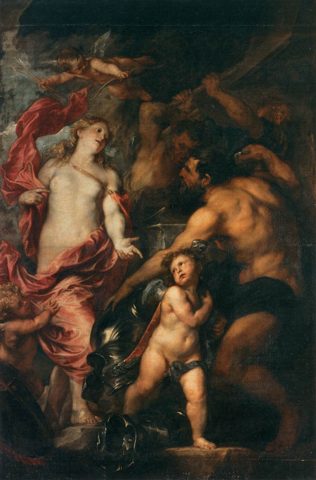
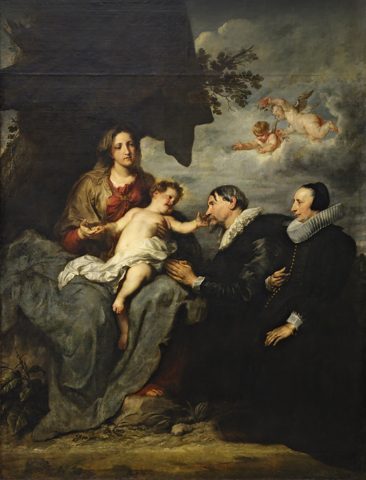
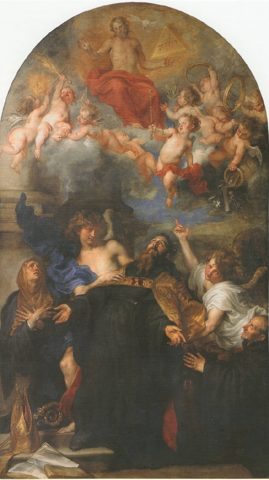
His innovative techniques in watercolor and etching, alongside his ability to blend mythological and biblical themes into his work, solidified his legacy. Van Dyck's impact on English art persisted long after his death on December 9, 1641, evident in the enduring popularity of the Van Dyke beard and his burial in St. Paul's Cathedral, a testament to his esteemed position in art history.