Paris › Gian Lorenzo Bernini
Gian Lorenzo Bernini at Paris
1598 – 1680
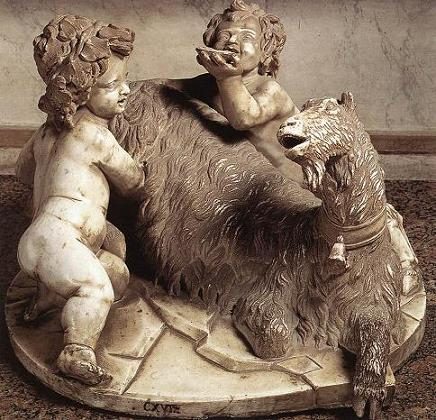
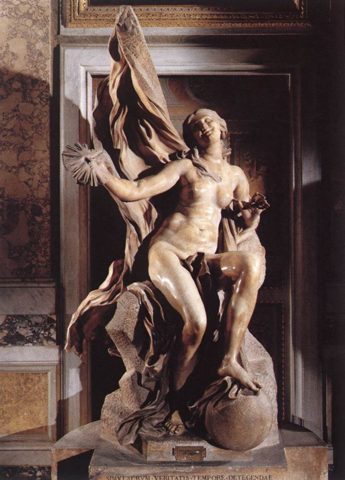
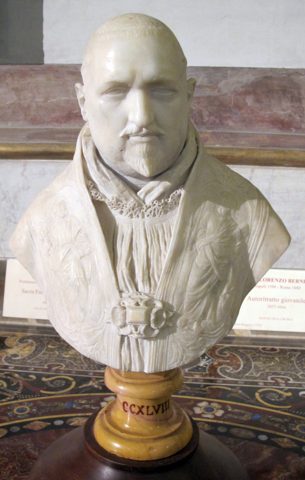
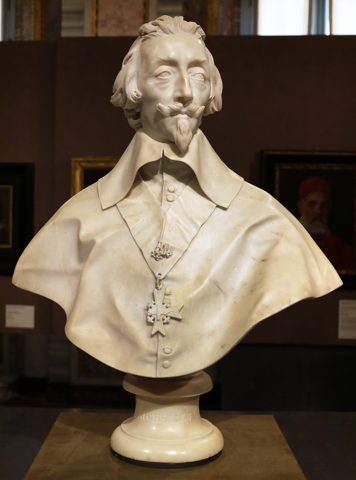
Gian Lorenzo Bernini, born on December 7, 1598, in Naples, was a preeminent Italian sculptor, architect, and painter, celebrated as a defining figure of Baroque art. Recognized as a prodigy from a young age, his talent was nurtured by his father, a Mannerist sculptor, and quickly garnered the attention of influential patrons, including Pope Paul V, who famously predicted Bernini would be the "Michelangelo of his age."
Bernini's work is characterized by dynamic movement, intricate forms, and a theatrical quality that set the standard for Baroque sculpture. His masterpieces, such as the Ecstasy of Saint Teresa and the Fountain of the Four Rivers, exemplify his ability to blend sculpture with architecture, creating cohesive visual narratives. His architectural contributions include the design of St. Peter's Basilica's grand colonnade, which remains a hallmark of Roman urban planning.
Throughout his life, Bernini was deeply engaged with the Counter-Reformation, using his art to convey the Catholic Church's power and spirituality. His versatility extended to painting and theatrical productions, where he showcased his multifaceted creativity. Bernini's legacy as a transformative artist solidified his place in art history, influencing generations and earning him the title of the first pan-European sculptor. He passed away on November 28, 1680, in Rome, leaving behind a monumental body of work that continues to inspire awe.