Paris › Petit Palais › Jean-Baptiste Carpeaux
Jean-Baptiste Carpeaux at Petit Palais
1827 – 1875
Jean-Baptiste Carpeaux was a prominent French sculptor and painter born on May 11, 1827, in Valenciennes. Coming from a humble background as the son of a mason, he pursued his passion for art against his father's wishes, studying under François Rude at the École des Beaux-Arts. His artistic journey took him to Rome after winning the Prix de Rome in 1854, where he drew inspiration from the works of Michelangelo and Donatello, embracing a style that celebrated movement and spontaneity over classical tradition.
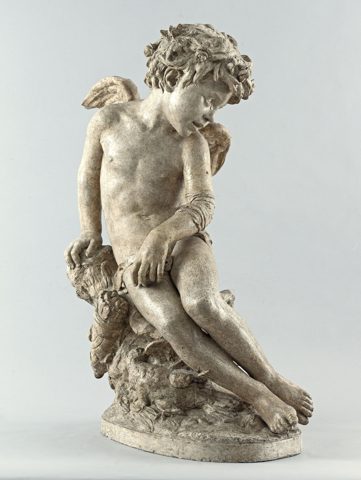
Carpeaux's career flourished during the Second Empire, where he became known for his dynamic sculptures, including the famous "Neapolitan Fisherboy" and the allegorical group "Ugolino and His Sons." His work often reflected a blend of realism and emotional depth, which resonated with the public and earned him numerous commissions, including from Emperor Napoleon III. He was not only a celebrated artist but also a savvy entrepreneur, producing variations of his works to reach a broader audience.
Despite his success, Carpeaux struggled with the constraints of academicism and sought to break free from traditional norms. His innovative spirit and dedication to capturing the essence of life left a lasting impact on the art world. He passed away on October 12, 1875, but his legacy endures through his influential works and the artists he mentored, securing his place in art history as a key figure of the 19th century.