Paris › Musée d'Orsay › Henri-Edmond Cross
Henri-Edmond Cross at Musée d'Orsay
1856 – 1910
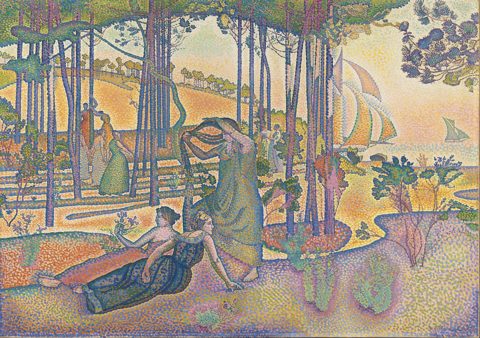
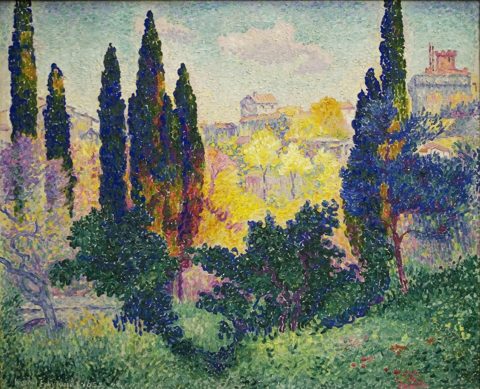
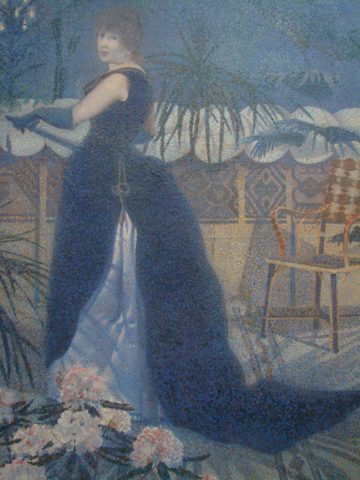
Henri-Edmond Cross, born on May 20, 1856, in Douai, France, was a pivotal figure in Neo-Impressionism and a precursor to Fauvism. Initially trained in Realism, he evolved his style under the influence of artists like Paul Signac and Georges Seurat, adopting a lighter palette and divisionist techniques. His early works, characterized by dark tones, transitioned to vibrant landscapes inspired by the Mediterranean light after he moved to southern France in 1891.
Cross's artistic journey was marked by a commitment to anarchist ideals, which shaped his subject matter, often depicting utopian scenes. He co-founded the Société des Artistes Indépendants, promoting unjuried exhibitions that fostered artistic freedom. His marriage to Irma Clare in 1893 further enriched his life and work, as she became a frequent subject of his paintings.
Cross's influence extended to notable artists like Henri Matisse, cementing his place in art history. His legacy is preserved in major collections worldwide, where his vibrant landscapes and innovative techniques continue to inspire. He passed away on May 16, 1910, leaving behind a rich body of work that reflects both his artistic evolution and his philosophical convictions.