Paris › Louvre Museum › Michelangelo
Michelangelo at Louvre Museum
1475 – 1564
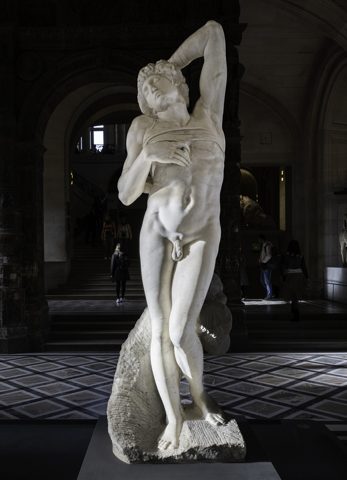
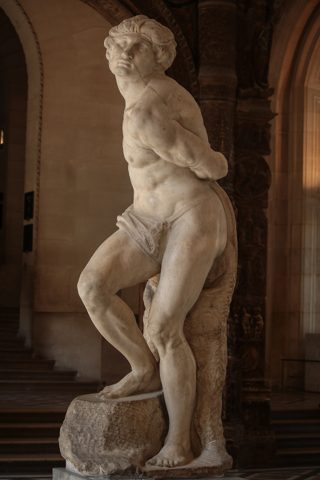
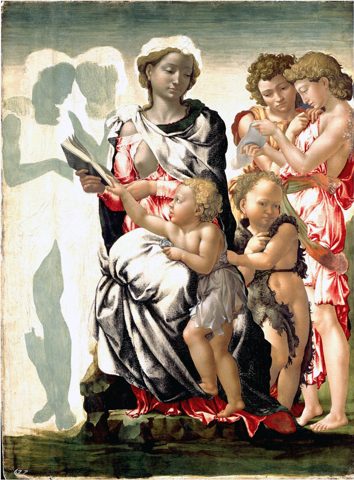
Michelangelo di Lodovico Buonarroti Simoni, known simply as Michelangelo, was a towering figure of the High Renaissance, born on March 6, 1475, in Caprese, Italy. He grew up in Florence, where his early exposure to marble and art ignited a lifelong passion for sculpting. His formative years were marked by a profound influence from classical antiquity, shaping his artistic vision and driving his relentless pursuit of perfection across various mediums, including sculpture, painting, architecture, and poetry.
Michelangelo achieved remarkable fame early in his career, creating masterpieces such as the Pietà and David before turning 30. Though he considered himself primarily a sculptor, his frescoes on the Sistine Chapel ceiling and The Last Judgment are among the most significant works in Western art history. His architectural contributions, notably the design of St. Peter's Basilica, further solidified his legacy.
Regarded as "Il Divino" by his contemporaries, Michelangelo's ability to evoke awe through his art was unparalleled. He was one of the first artists to have his biography published during his lifetime, with Giorgio Vasari proclaiming him the greatest artist of all time. His impact on art is profound, influencing the Mannerist movement and leaving a lasting legacy that continues to inspire artists today. Michelangelo passed away on February 18, 1564, in Rome, but his work endures as a testament to the genius of the Renaissance.