Paris › Louvre Museum › Francisco Goya
Francisco Goya at Louvre Museum
1746 – 1828
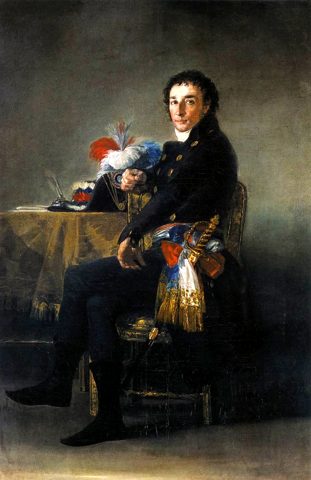
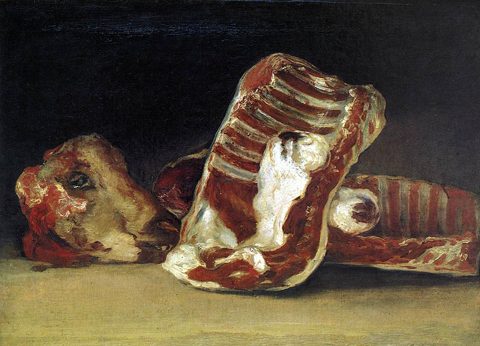
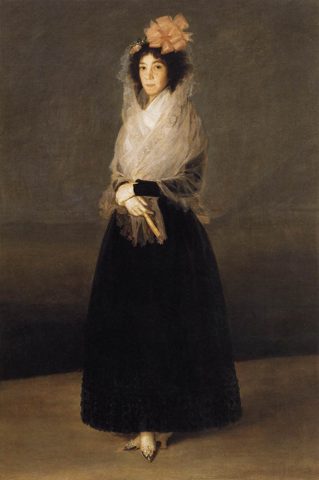
Francisco José de Goya y Lucientes, born on March 30, 1746, in Fuendetodos, Spain, emerged as a pivotal figure in the transition from the Old Masters to modern art. Goya's early life was marked by a middle-class upbringing, and he began his artistic education at the age of 14. His career flourished as he became a court painter, producing portraits of Spanish nobility and engaging with Rococo styles. However, a severe illness in 1793 left him deaf, profoundly impacting his artistic vision, leading to darker themes in his work.
Goya's later pieces, including the haunting "Disasters of War" series and the "Black Paintings," reflect his disillusionment with society and the tumult of his times, particularly during the Napoleonic Wars. His art often explored themes of madness, corruption, and the human condition, positioning him as a precursor to modern artistic movements. Goya's legacy endures as he is celebrated for his innovative techniques and profound emotional depth, influencing generations of artists and earning his place as a cornerstone of Western art history. He passed away in Bordeaux on April 16, 1828, leaving behind a body of work that continues to resonate.