Paris › Louvre Museum › Hans Holbein the Younger
Hans Holbein the Younger at Louvre Museum
1497 – 1543
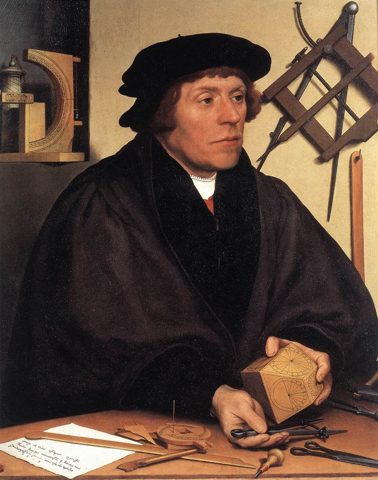
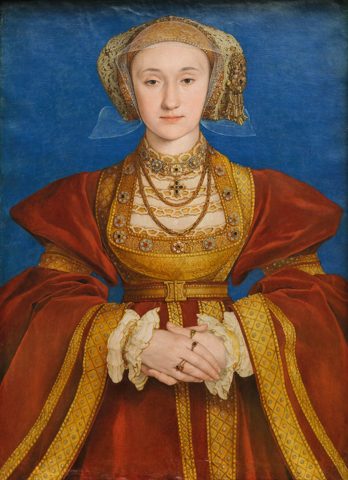
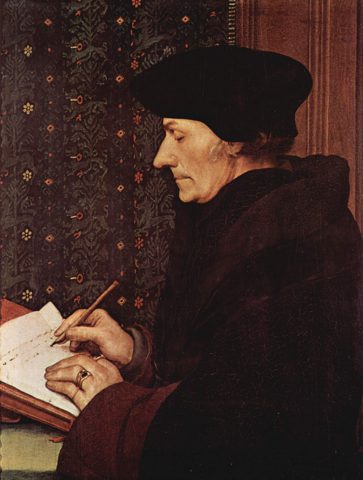
Hans Holbein the Younger, born around 1497 in Augsburg, was a pivotal figure in Northern Renaissance art, renowned for his extraordinary portraiture. Initially trained in his father's workshop, he moved to Basel, where he honed his skills in religious art and humanist themes. His early works, including portraits of notable figures like Erasmus, showcased his keen observational prowess and wit.
In 1526, Holbein relocated to England, quickly gaining favor among the humanist elite, including Thomas More. His return to England in 1532 marked the height of his career, as he became the official court painter for Henry VIII. Holbein's portraits, such as "The Ambassadors," are celebrated for their realism and intricate symbolism, often embedding deeper meanings within the likenesses of his subjects.
Despite his acclaim, Holbein did not establish a school, making him a unique figure in art history. His work influenced subsequent generations, and he is remembered for his precision and the emotional depth of his portraits. Holbein's legacy endures, as his art continues to captivate scholars and enthusiasts alike, reflecting the complexities of human character and the era's cultural shifts. He passed away in 1543, leaving behind a rich body of work that remains influential today.