Paris › Paul Delaroche
Paul Delaroche at Paris
1797 – 1856
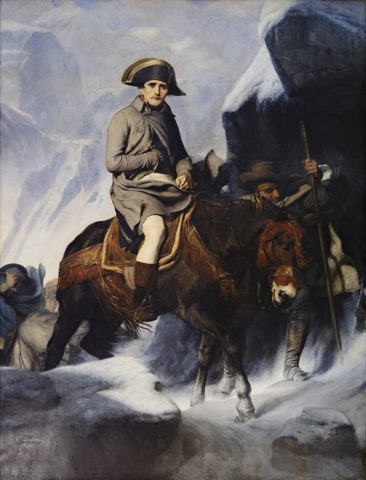
Hippolyte-Paul Delaroche was a prominent French painter born on July 17, 1797, in Paris, where he spent most of his life until his death on November 4, 1856. Known for his historical scenes, Delaroche's work straddled the lines between Romanticism, Academicism, and Neoclassicism, reflecting the emotional depth of Romantic ideals while adhering to the meticulous detail favored by Academics. His pragmatic realism allowed him to portray historical figures, such as Marie Antoinette and Napoleon Bonaparte, with a sense of equality, devoid of glorification.
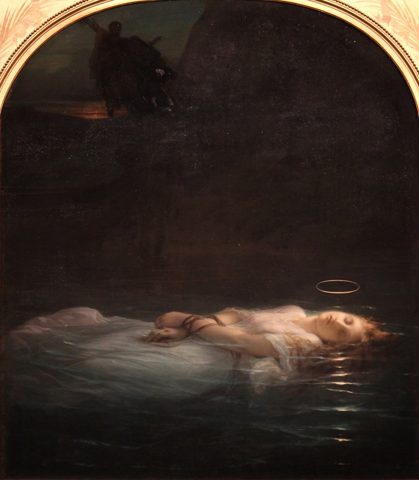
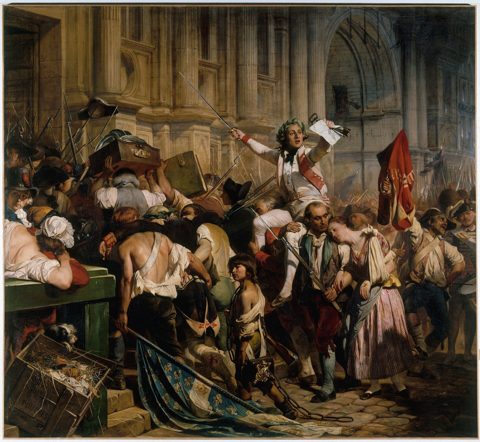
Delaroche emerged as a significant figure in the art world during a time of stylistic conflict between Romanticism and Classicism. His early works, particularly "The Execution of Lady Jane Grey," garnered acclaim and established him as a leading historical painter. He was a student of Antoine-Jean Gros and later mentored notable artists like Jean-Léon Gérôme and Jean-François Millet. Despite his success, Delaroche faced criticism for his later religious works, leading him to withdraw from public exhibitions after 1837.
His artistic journey began at L'École des Beaux-Arts, where he initially focused on landscapes but soon shifted to history painting under Gros's influence. Delaroche's legacy includes a rich body of work that resonated with the public and influenced future generations, making him a key figure in 19th-century art history. His marriage to Louise Vernet and the subsequent loss of her in 1845 deeply affected him, yet his contributions to the art world remain significant. Delaroche's paintings continue to be celebrated for their narrative quality and emotional resonance, solidifying his place in the annals of art history.