Paris › Jean-Baptiste-Siméon Chardin
Jean-Baptiste-Siméon Chardin at Paris
1699 – 1779
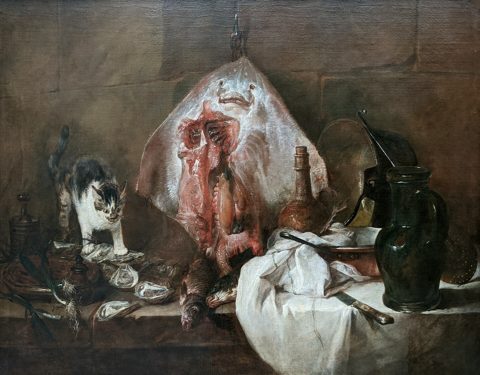
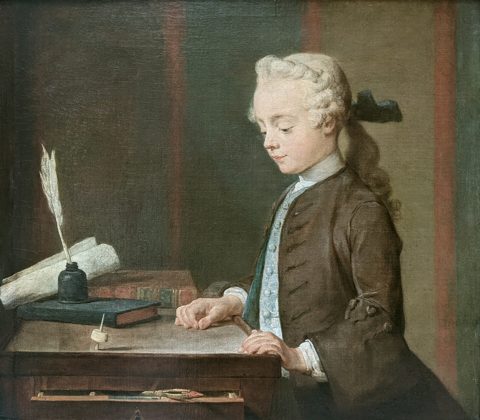
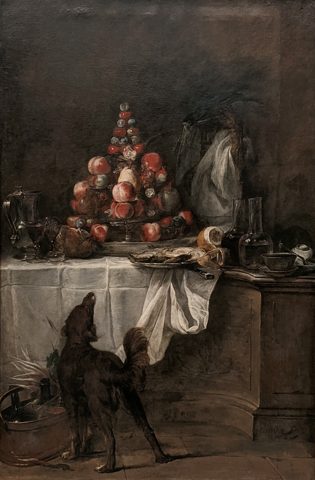
Jean Siméon Chardin, born in Paris on November 2, 1699, and passing away on December 6, 1779, is celebrated as a master of still life and genre painting in the 18th century. The son of a cabinetmaker, Chardin's artistic journey began with apprenticeships under prominent history painters, leading to his recognition at the Académie Royale de Peinture et de Sculpture in 1728. His work, characterized by balanced compositions, soft light, and textured surfaces, diverged from the Rococo style prevalent in his time, focusing instead on the beauty of everyday objects and domestic scenes.
Chardin's life was marked by personal tragedies, including the deaths of his first wife and daughter, which deeply affected him. Despite these hardships, he found success and stability through his second marriage and the support of influential patrons. His paintings gained popularity through engravings, providing him with a steady income. Chardin's meticulous approach resulted in a modest oeuvre of around 200 works, reflecting his dedication to quality over quantity.
His legacy endures as he is recognized for elevating still life and genre subjects to a respected status in art history, influencing future generations of artists. Chardin's ability to capture the essence of human experience and the beauty of the mundane continues to resonate, securing his place as a pivotal figure in the evolution of European art.