Paris › Gustave Moreau
Gustave Moreau at Paris
1826 – 1898
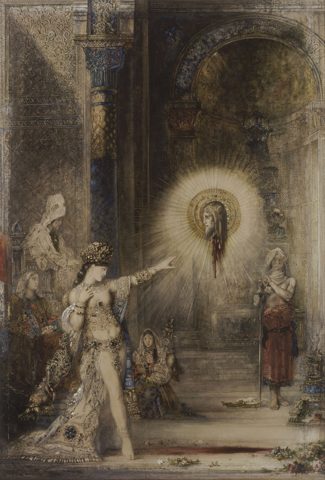
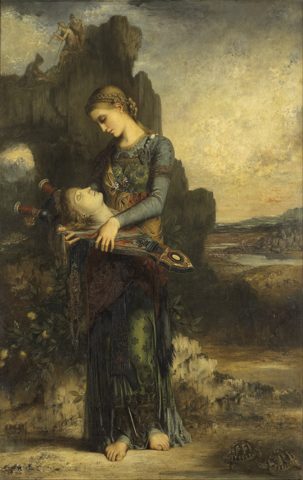
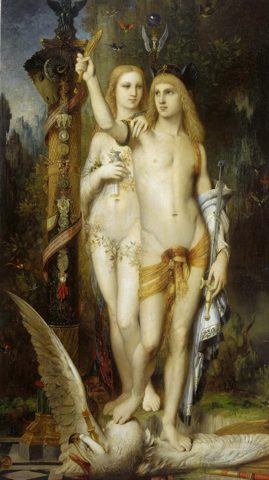
Gustave Moreau, born on April 6, 1826, in Paris, was a pivotal figure in the Symbolist movement, celebrated for his intricate and mystical interpretations of biblical and mythological themes. His early education, influenced by his architect father and musician mother, fostered a deep appreciation for the arts. Moreau's artistic journey began at the École des Beaux-Arts, where he was mentored by François-Édouard Picot and later inspired by Théodore Chassériau.
His breakthrough came with the 1864 exhibition of "Oedipus and the Sphinx," which established his reputation. Moreau's work is characterized by rich detail and a unique blend of allegory and symbolism, earning him acclaim as the quintessential Symbolist painter. Despite his success, he became increasingly reclusive, rejecting numerous prestigious offers and exhibiting infrequently.
Moreau's legacy includes over 15,000 works, and he was instrumental in shaping the Symbolist aesthetic. His influence waned in the early 20th century but saw a resurgence in the 1960s, solidifying his status as a master of the movement. He passed away on April 18, 1898, leaving behind a vast collection of art that now resides in the Musée Gustave Moreau, a testament to his enduring impact on the art world.