Paris › Petit Palais › Paul Sérusier
Paul Sérusier at Petit Palais
1864 – 1927
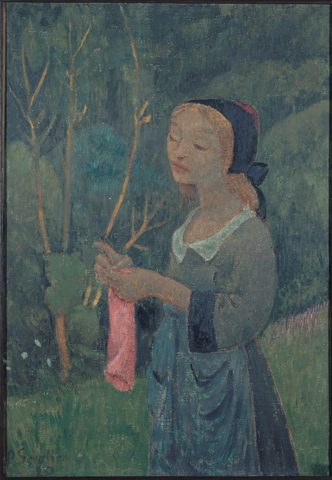
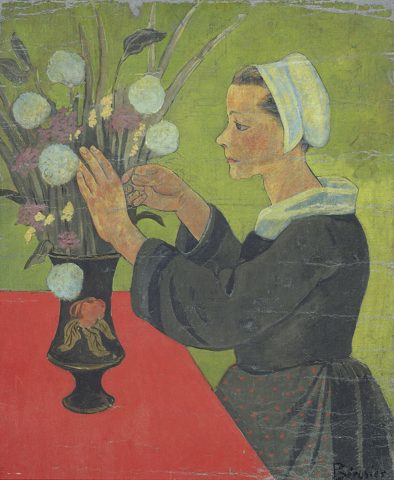
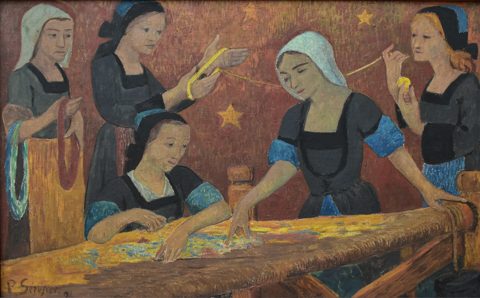
Paul Sérusier was a French painter born on November 9, 1864, in Paris, who became a pivotal figure in the evolution of abstract art. A student at the Académie Julian, he was influenced by Paul Gauguin during his time at the Pont-Aven artist colony, where he created "The Talisman," a work that exemplified Cloisonnism and hinted at pure abstraction. Sérusier was a founding member of the Nabis group, which sought to express deeper meanings through color and form, moving beyond mere representation. His character was marked by a friendly disposition and a collaborative spirit, fostering connections with fellow artists like Pierre Bonnard and Édouard Vuillard.
Throughout his career, Sérusier engaged in teaching and writing, publishing "ABC de la peinture" in 1921, which reflected his artistic philosophy. He spent his later years in Brittany, where he continued to explore themes of spirituality and symbolism in his work. Sérusier's contributions to the Nabis movement and his innovative approaches to color and composition solidified his place in art history as a precursor to modern abstraction, influencing generations of artists who followed. He passed away on October 7, 1927, leaving behind a legacy that bridged the gap between Impressionism and the avant-garde.