Paris › Musée d'Orsay › Henri Gervex
Henri Gervex at Musée d'Orsay
1852 – 1929
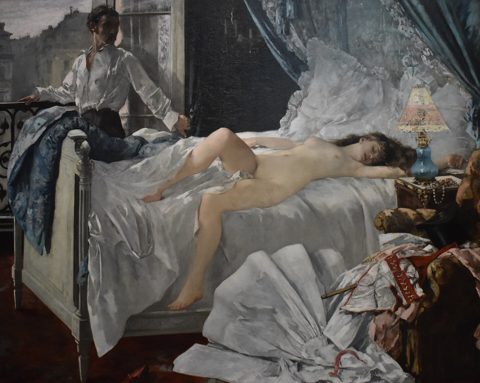
Henri Gervex was a prominent French painter born on December 10, 1852, in Montmartre. He trained under notable artists like Alexandre Cabanel and Eugène Fromentin, honing his skills in both classical and modern styles. Gervex's early works, primarily mythological, often sparked controversy, most notably with his painting "Rolla," which was rejected by the Salon for its provocative depiction of a nude. This scandal, however, propelled him to fame, leading to significant exhibitions and acclaim.
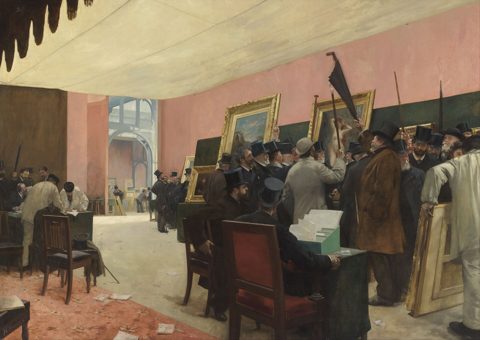
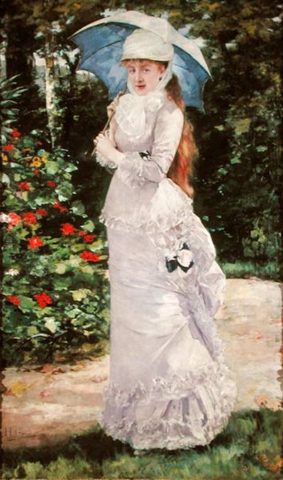
His relationship with the courtesan Valtesse de La Bigne not only influenced his art but also inspired Émile Zola's character in "Nana." Gervex's oeuvre evolved to include modern life representations, achieving success with works like "Dr Péan at the Salpétrière." He received numerous commissions for public buildings and was awarded the Legion of Honour for his contributions to art.
Gervex's legacy includes a diverse body of work, from portraits to grand historical scenes, and he played a vital role in the artistic community of his time, mentoring future artists. He passed away on June 7, 1929, leaving behind a significant mark on the art world, celebrated for both his technical skill and his bold explorations of contemporary themes.