Paris › Petit Palais › Gustave Doré
Gustave Doré at Petit Palais
1832 – 1883
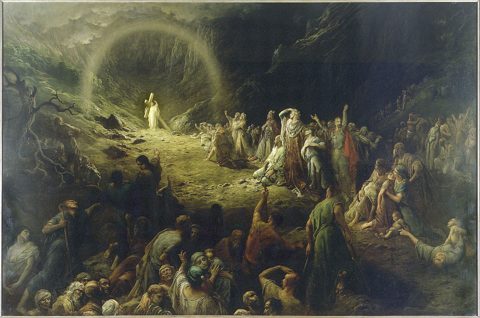
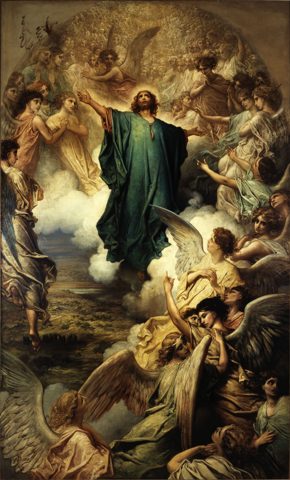
Paul Gustave Doré was a prolific French artist born on January 6, 1832, in Strasbourg. He began his career as a caricaturist at the young age of 15, quickly establishing a reputation for his detailed wood engravings. Doré's illustrations for classic literature, including the Vulgate Bible and Dante's Divine Comedy, garnered international acclaim, leading to the employment of numerous block-cutters to bring his designs to life. His work, while popular among the public, faced mixed reviews from critics during his lifetime.
Doré's artistic journey included notable commissions for works by Cervantes, Rabelais, and Byron, and his illustrations for "Don Quixote" and "The Raven" became iconic. His 1872 publication "London: A Pilgrimage" showcased the city's stark realities, earning both commercial success and critical scrutiny. Despite the challenges he faced, including accusations of exaggeration in his portrayals, his unique vision and talent left a lasting impact on the art world.
Recognized for his contributions, Doré was made a Knight of the Legion of Honour in 1861. His legacy continued to grow posthumously, influencing artists like Vincent van Gogh and earning admiration from literary figures such as H. P. Lovecraft. Doré passed away on January 23, 1883, leaving behind a rich body of work that solidified his place in art history as a master illustrator and visionary.