Paris › Petit Palais › Jules Dalou
Jules Dalou at Petit Palais
1838 – 1902
Aimé-Jules Dalou was a prominent French sculptor born in Paris on December 31, 1838, into a working-class Huguenot family. His upbringing in a secular and socialist environment shaped his character and artistic vision. A talented student, he studied under Jean-Baptiste Carpeaux and later at the École des Beaux-Arts, where he honed his skills in modeling and sculpture. Dalou's early career was marked by political activism, particularly during the Paris Commune, which led to his exile in England after the government's crackdown.
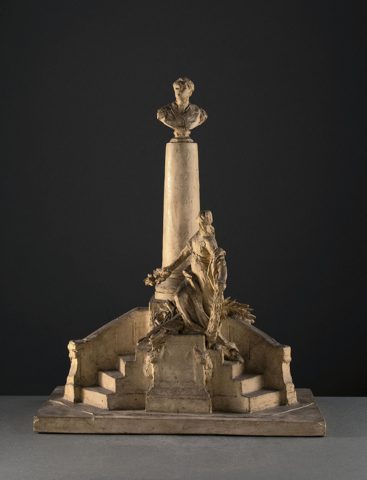
During his eight years in England, Dalou gained recognition for his terracotta works and public commissions, influencing the British New Sculpture movement. His return to France in 1879 marked a prolific period, producing masterpieces like The Triumph of the Republic, which showcased his ability to blend classical techniques with contemporary themes. Dalou's works are celebrated for their realism and emotional depth, earning him accolades, including the Grand Prix at the 1889 Exposition Universelle.
Dalou's legacy endures through his significant contributions to sculpture, his role in shaping modern French art, and his influence on future generations of artists. He passed away on April 15, 1902, leaving behind a rich body of work that reflects his commitment to both art and social ideals.