Paris › Petit Palais › James Tissot
James Tissot at Petit Palais
1836 – 1902
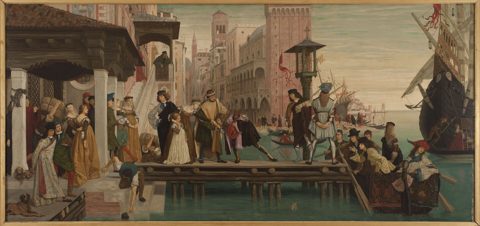
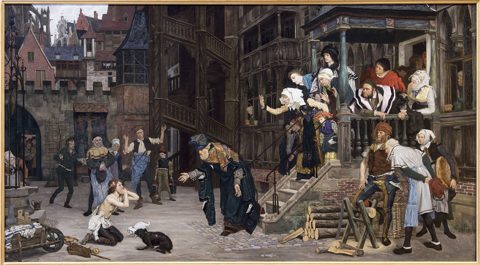
James Tissot, born Jacques Joseph Tissot in Nantes in 1836, was a French painter and illustrator renowned for his depictions of Victorian high society and women's fashion during the Belle Époque. Initially trained at the École des Beaux-Arts in Paris, he embraced realism and impressionistic techniques, capturing the nuances of contemporary life. Tissot's early works focused on medieval themes, but after moving to London in 1871, he shifted to genre paintings that resonated with British audiences, earning acclaim for his photorealistic style.
His tumultuous life included service in the Franco-Prussian War and a close relationship with Kathleen Newton, who inspired many of his works until her untimely death. Tissot's social circle included notable figures like Edgar Degas and James Whistler, reflecting his integration into the artistic elite. Later in life, he experienced a religious awakening, leading him to create biblical subjects that garnered significant recognition. Tissot's legacy endures as a pivotal figure in 19th-century art, bridging traditional techniques with modern themes, ultimately earning him a place in art history. He passed away in 1902, leaving behind a rich tapestry of works that continue to captivate audiences.